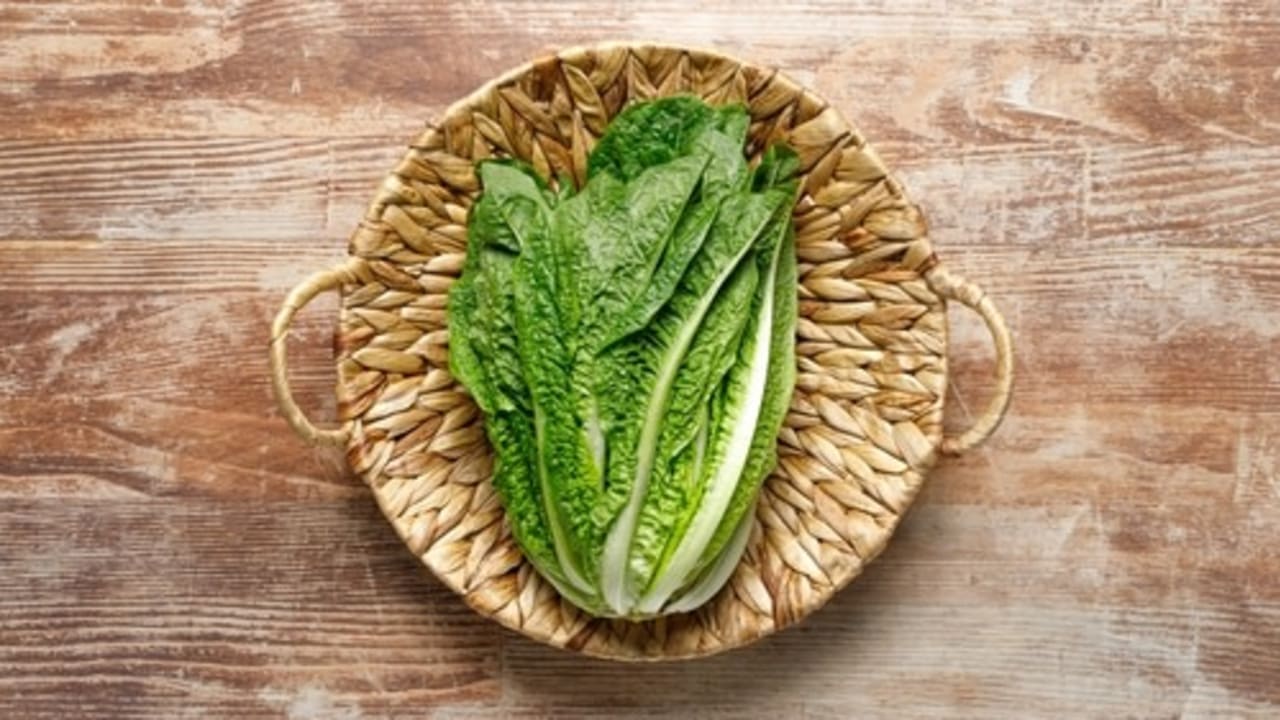
Lettuce is one of the most common vegetables in the Israeli refrigerator, but also one of the most underrated. It is usually perceived as a garnish on the plate or as an addition to “bulk up” a diet, and when the texture of the leaves is damaged and it loses its crispness – many people simply give up on it.
So is lettuce worth anything nutritionally at all? The answer is yes, and much more than is commonly thought.
Lettuce is an especially low-calorie vegetable, about 15 to 20 calories per 100 grams, which makes it possible to eat very large quantities without a significant caloric impact.
It contains dietary fiber that contributes to satiety and digestive system health, and a nice amount of potassium – an important mineral for fluid balance and for the function of muscles and the heart.
In addition, lettuce provides vitamin K, which is important for blood clotting and bone health, folic acid from the B-vitamin group, vitamin A in the form of beta-carotene, and also vitamin C in a moderate amount.
For Dr. Maya Rosman’s online diet course click here

Lettuce and health
1. Antioxidants
Despite not having the image of a “superfood,” lettuce – especially dark or purple leaves – contains carotenoids, flavonoids and polyphenols, antioxidant compounds that are associated with protecting the body’s cells, eye health and reducing inflammatory processes. In fact, sometimes a generous bowl of lettuce provides more antioxidants than a trendy and exotic vegetable eaten in only a small quantity.
2. Arterial health
A study found that consumption of lettuce increases the excretion of cholesterol byproducts and improves the antioxidant status in the body, which may contribute to the protection of blood vessels (PubMed).
3. Help with digestion
A broader review of nutritional compounds in lettuce reports that the vegetable provides substances that can affect metabolism, bioavailability and the strengthening of antioxidant activity after digestion (PMC - Physiological Reports).
4. Sense of fullness and hydration
Lettuce, as a source of essential vitamins and minerals such as vitamin K, vitamin C and fiber, alongside a high proportion of water – helps with hydration and a feeling of fullness.
<br>The differences between types of lettuce
Arabic lettuce, also known as romaine, is considered to have the highest nutritional value among common lettuces.
Its dark leaves contain more beta-carotene, more folic acid, more potassium and more antioxidants compared to lighter lettuces. This is an excellent choice for those looking for real nutritional contribution and not just volume on the plate.
Round lettuce, known as iceberg lettuce, contains a lot of water and fewer vitamins and antioxidants. It is not completely worthless – it has fiber and potassium – but its nutritional contribution is lower compared to dark lettuces. Its advantage is in volume and a sense of fullness.
Hydroponic lettuce, which is grown in water and not in soil, is also not fundamentally different nutritionally from regular lettuce of the same type. It is usually cleaner and more convenient to use, but not necessarily richer in vitamins or antioxidants.
Another interesting thing in the field of plant biology – it was found that growing conditions can affect the levels of vitamins and minerals in lettuce, including potassium, which highlights the connection between growing quality and nutritional value (Scientific Reports).

The trick that manages to restore crispness to lettuce
When lettuce leaves become limp, the reason is almost always the loss of fluids from the leaf cells. The simplest solution is a short soak in very cold water, which allows water to re-enter the cells.
Some people add a tablespoon of sugar to the water, not for the taste but because of a well-known physical principle called osmosis: The difference in concentrations between the external liquid and the leaf cells encourages the entry of water, and the leaves refill and gain a crisper texture.
The soaking is short, usually ten to fifteen minutes, and does not cause significant sugar absorption. Even if there is minimal absorption, it is an entirely negligible amount, with no significant caloric addition, and certainly not one that changes anything nutritionally. It is only important to lightly rinse and dry afterward, and the lettuce returns to itself.
Healthy lettuce salad with peanut butter dressing
To finish, I am sharing with you a perfect dressing for a lettuce salad:
Wash, dry, tear lettuces of different types, fill a whole bowl (you can take a ready lettuce mix from a bag), you can add slices of red onion
The dressing:
Mix with a spoon or in a blender:
4 tablespoons balsamic vinegar
1 tablespoon soy sauce
1 teaspoon mustard
1 tablespoon mayonnaise
1 teaspoon crushed garlic
1 tablespoon Parmesan
1 tablespoon peanut butter
You can dilute with a quarter cup of water