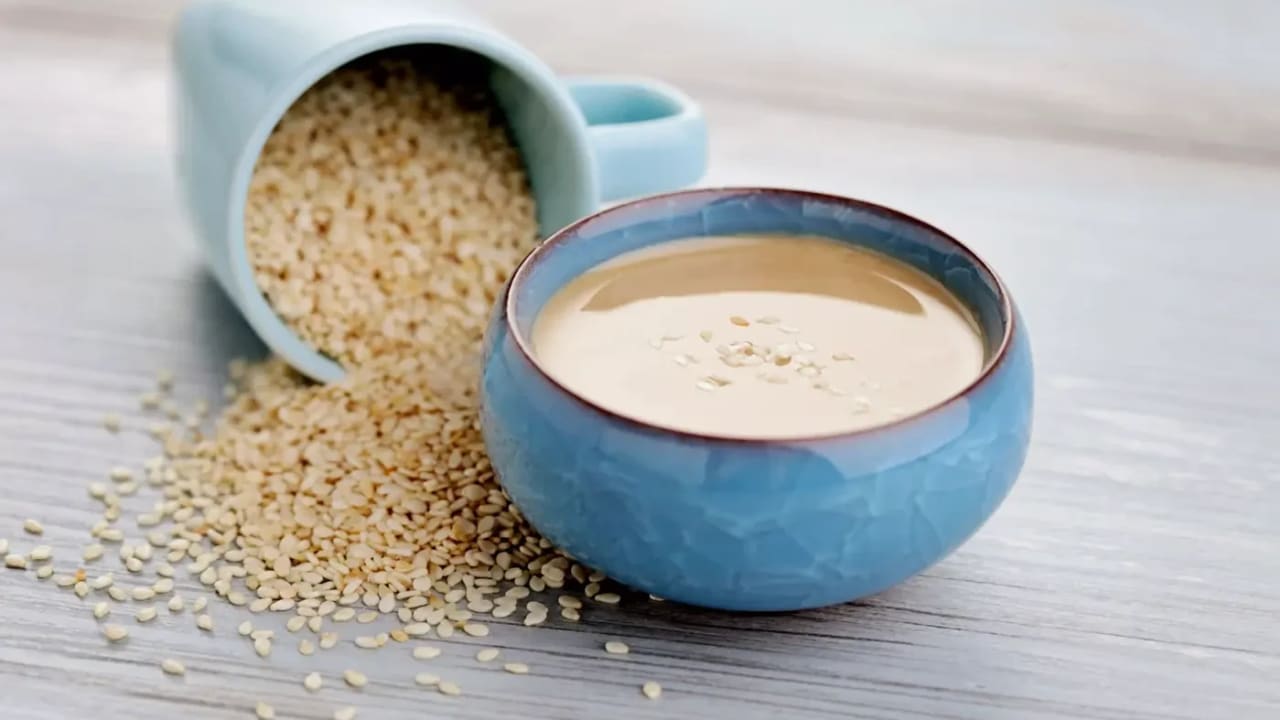
The origin of tahini lies in sesame seeds, one of the first plants that humans learned to cultivate for food more than 5,000 years ago. Even then, sesame was considered a valuable source of energy, health, and beauty: In ancient Egypt, it was used to make precious oil, and in traditional Indian medicine, it was regarded as a “life-strengthening food.”
Tahini itself, which is made from ground sesame seeds, entered the Mediterranean diet and became an ingredient that embodies a perfect balance between great flavor and impressive nutritional values. New studies continue to confirm what ancient cultures already knew: Sesame and tahini may improve blood sugar balance, reduce blood pressure, and contribute to the flexibility of blood vessels.
In a comprehensive scientific review (Meta-Analysis, PubMed), it was found that regular inclusion of sesame products in the diet led to a significant decrease in fasting blood sugar levels and improvement in HbA1c indicators. Another study showed that consuming tahini as part of one meal a day improved vascular function and reduced inflammation levels.
Beyond the research, it’s hard to ignore the winning combination of taste and health: One spoonful of tahini contains protein, calcium, magnesium, iron, zinc, B vitamins, and healthy fats – almost everything the body needs in one food. No wonder it’s now considered one of the “superfoods” of the local cuisine.

8 important things you didn’t know about tahini
1. Is whole sesame healthier?
Raw tahini made from whole sesame seeds contains much more iron and calcium than regular raw tahini.
The husk does add a slight bitterness, but it is also a main source of minerals.
2. Which layer is healthier?
Over time, tahini sometimes separates into two layers – the upper layer is more liquid, and the lower layer is thicker and more solid. In the lower layer, which many of us find tastier, there is more protein and calcium. The upper layer is richer in fats and omega-9 and 6.
3. Whole raw tahini is an excellent source of magnesium
One spoonful of tahini (15 grams) provides about 50 mg of magnesium, which is about 15% of the recommended daily intake! It also contains zinc, copper, manganese, and calcium – all of which are important for bone strength and the immune system.
4. A large portion of Israeli tahini is made from Ethiopian sesame seeds
The Ethiopian variety is considered particularly high quality thanks to its aroma, color, and texture. In European countries, sesame is usually imported from Turkey or India. Those varieties are lighter in color and have a less “nutty” flavor – to most Israelis, tahini made there tastes far inferior compared to Israeli tahini.
5. In store-bought tahini salad – only half the nutritional value
Prepared tahini salad is diluted with water (sometimes twice as much), so the amount of calories and protein is half as low. But the biggest drawback is not the water – it’s the preservatives that are often added to most store-bought salads.
6. Which is healthier – tahini or sesame seeds?
The answer is clear – tahini. Whole sesame seeds pass through the digestive system almost entirely intact, and a very large part of them are not digested at all. When sesame is ground into tahini, all the nutrients – protein, calcium, iron, and healthy fats – become available and are well absorbed by the body.
7. Tahini contains high-quality plant-based protein and can definitely count toward daily protein intake.
Tahini contains 17% protein, which is quite high-quality and includes important amino acids. Combining it with legumes (like chickpeas or lentils) creates an even more complete protein.
8. Long-term storage does not harm the minerals
The minerals (calcium, magnesium, iron, zinc) are resistant to heat and time. The protein also doesn’t deteriorate, and the B vitamins found abundantly in tahini remain stable over time.
For Dr. Maya Rosman’s course: How to improve your health and lose weight in a sensible and balanced way – click here