Psychology
Antidepressants don't fix a chemical imbalance, so what do they do? - explainer
Antidepressants do more than alter serotonin. Scientists are exploring how these drugs change emotional processing, brain plasticity, and recovery.


'The emotional cost has been unbelievable': How three years of war have changed Israelis - study

Israel faces a nationwide mental health crisis post-October 7, Clalit experts warn - study

Treating the trauma, understanding the tribe: Safeheart helps Nova survivors rebuild their lives
War’s hidden toll: Mental health treatment in Israel surges 240%
Israel’s largest healthcare provider said it has recruited 290 mental health professionals and expanded dozens of clinics as demand continues to surge.

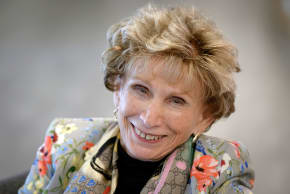
Renowned psychologist and Auschwitz survivor Edith Eger dies at 98
“I don’t have time to hate. I don’t forget what happened to me. I may not overcome it – I think I came to terms with it, and I was able to integrate it,” Eger said in a 1998 interview.
Western collective Stockholm Syndrome: Empathizing with those who threaten it - opinion
What happened in Stockholm over six days, the West has been doing, collectively, gradually, and largely without acknowledgement for the better part of three decades.

Sinking, spooky feeling? A subsonic sound may be at fault
Researchers say low-frequency sound from wind, ventilation, and creaking beams can trigger fear, dizziness, and a sensed presence.

Lessons from the safe room: Navigating fear, routine, and family togetherness
Between alarms and ceasefires, one family navigates daily life, fear, and togetherness inside their safe room.

'Boiling frog': Frequent dependence on AI can erode humanity's mental capabilities, study finds
Participants who used AI for 10 minutes performed worse and gave up more often when the tool was taken away.

Study: To fight dementia, stay optimistic
Every six-point increase on a standard optimism scale corresponded to a 15% reduction in the likelihood of developing the condition.

David Kosak on cultivating hope as a discipline in a digitally saturated, emotionally complex world

Between routine and emergency: How do we slowly return to a reality that changed quickly?
Until a few days ago, we were all still running to shelters, and now routine. How do we cope with this rapid and unnatural return, and why do we need a lot of patience?

Some 40% of Israel's teachers report anxiety, depression as war takes mental toll
A new published study by researchers at Ben-Gurion University has found that some 40% of teachers reported levels of anxiety and depression that crossed clinical thresholds.
