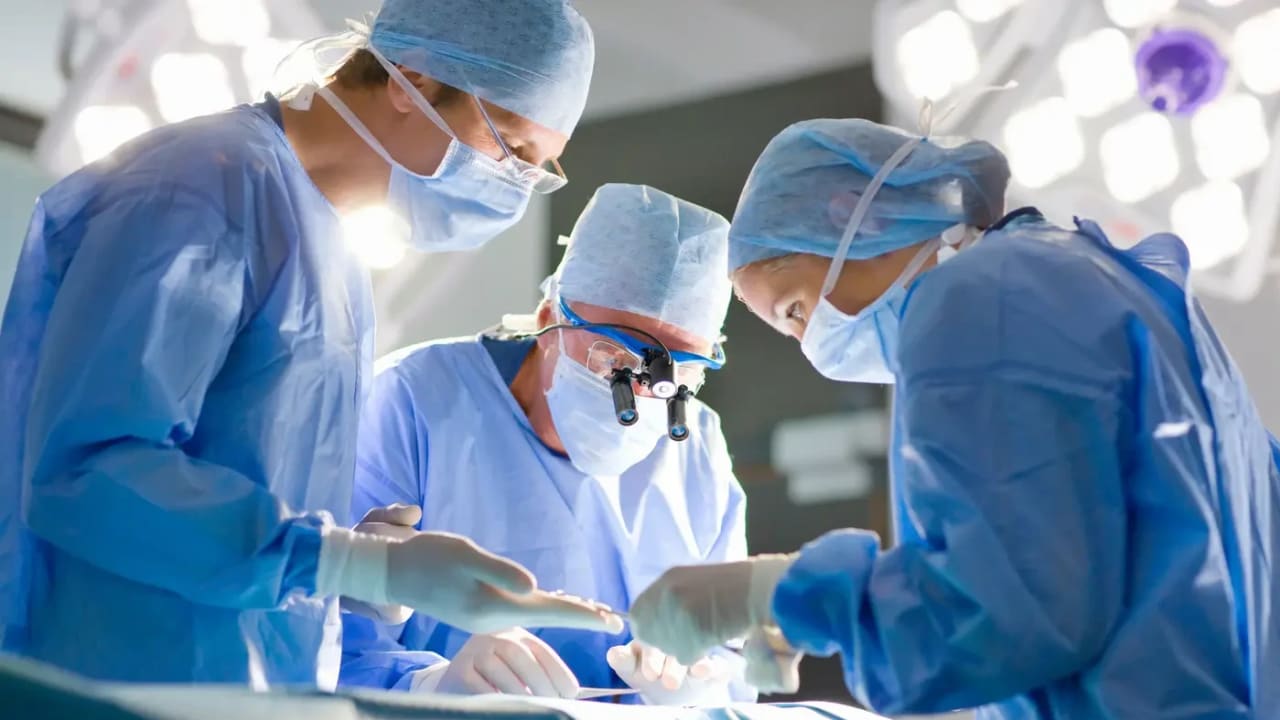
Organ transplants have come a long way since the first human-to-human heart transplant in 1967. In 2024, a record was even broken in the United States, with more than 48,000 organ transplants performed in a single year.
As the medical procedure becomes more common and safer, medicine is also learning about the less predictable effects of transplantation – including personality changes after receiving a new organ.
Organ transplant recipients around the world report changes in food preferences, musical and artistic tastes, sleep patterns, mood, and sometimes even the way they perceive themselves and their surroundings. In some cases, these are only subtle changes, but others describe a clear feeling of “I’m a bit different.”
One case that received scientific attention describes a woman who lived most of her life as a vegetarian, who after a heart transplant found herself craving fried chicken – a food that had been especially beloved by the heart donor now beating in her body.
Personality Changes After Transplantation: Not Just a Subjective Feeling
The phenomenon is not limited to heart transplants alone. Changes in tastes and preferences have also been reported after bone marrow transplants, including a shift from aversion to fondness for certain foods or a change in alcohol consumption habits. A recurring point in many testimonies is that the change does not appear immediately after surgery, but months later – after the body has recovered from the procedure itself – which raises questions about its source.
Some researchers believe there is a significant psychological component here. Receiving a new organ is perceived by many as a second chance at life, a powerful emotional experience that may lead to changes in worldview, habits, and preferences. In this sense, it is possible that some of the changes stem from a placebo effect or from deep psychological adaptation to the new situation.

The Heart Is Not Just a Pump: The Physiological Explanation
However, there is also a possible physiological explanation. Prof. Adam Taylor, an expert in clinical anatomy at Lancaster University in the UK, emphasizes that transplanted organs are not “neutral.” They continue to produce hormones and biological signaling substances – sometimes in quantities or patterns different from what the body was accustomed to.
The heart, for example, secretes peptide hormones that affect the kidneys, fluid regulation, blood pressure, and also the activity of the nervous system. A transplanted heart may produce a different amount of hormones or respond differently to the same substances circulating in the body, a change that may also affect mood, levels of arousal, and responses to stress.
The digestive system also plays a surprising role: Most serotonin – a neurotransmitter associated with a sense of well-being – is produced in the intestines rather than in the brain. Therefore, a significant change in a central organ of the body may indirectly affect the nervous system and behavior as well.
What Does the Research Say?
Research in this field is still in its early stages. Most of the data are based on self-reports, questionnaires, and in-depth interviews – not on objective measurements of personality changes. However, small studies and follow-up studies indicate that 70–90 percent of organ transplant recipients report some change in their sense of self, preferences, or behavior after the transplant.
Researchers emphasize that it is difficult to isolate a single factor. Alongside the possible physiological influence of the transplanted organ, one must also take into account anti-rejection medications, hormonal changes, medical trauma, changes in lifestyle, and the emotional experience of living with an organ from a donor. At this stage, there is no proof that personality traits “transfer” from the donor to the recipient, but there is broad agreement that the body and mind function as one complex system.
One Body, One System
The human body is a dense network of communication systems – neural, hormonal, and immune – and replacing a central organ inevitably changes the entire balance. Therefore, it is possible that a change in the sense of self after transplantation is not an unusual side effect, but part of a deep adaptation process of the body and mind together.
As the number of transplants worldwide continues to rise and long-term follow-up improves, researchers hope to better understand which changes are temporary, which are lasting, and what the relative weight of biological versus psychological factors is. Until then, it seems that the question “who are we” is no less complex than the question “how does our body work.”