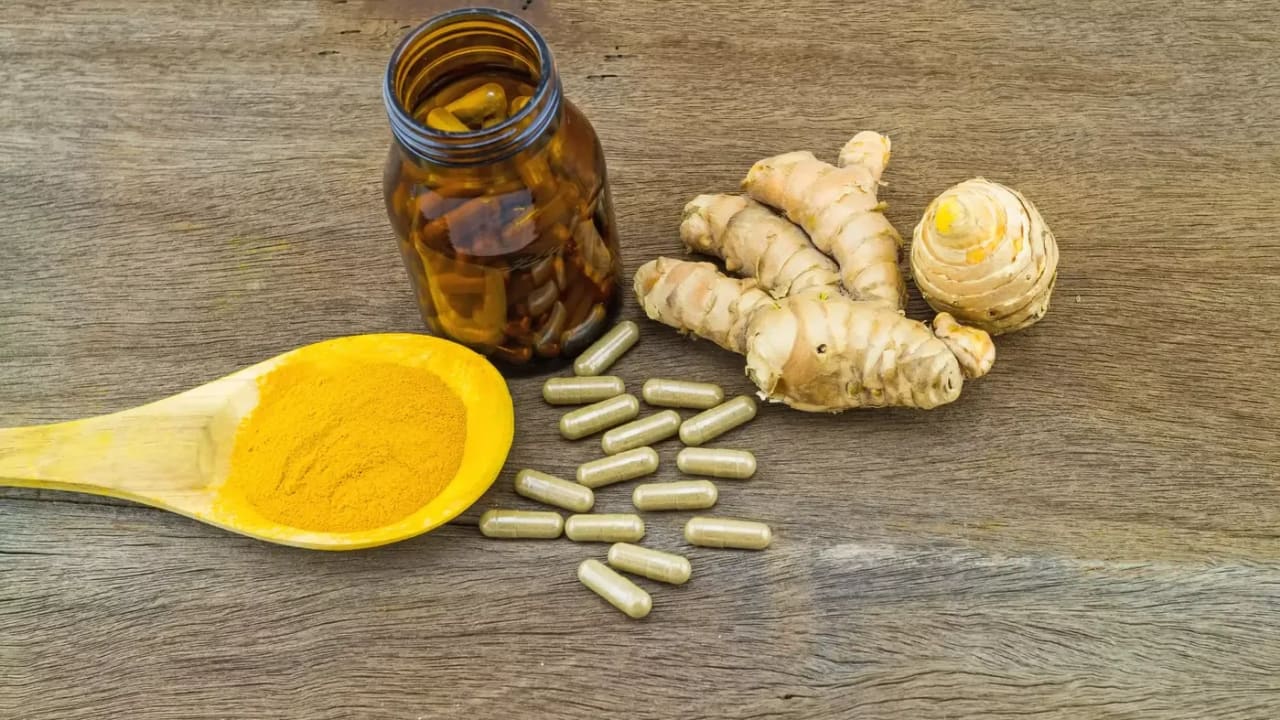
In recent years, curcumin has become a superstar among nutritional supplements. Studies show it may improve important health indicators: Blood sugar levels, lipid profile, and inflammatory processes in the body. Many attribute to it almost magical powers – but is that justified?
However, when it comes to the thyroid gland – one of the body’s most vital organs for metabolism and weight regulation – the scientific picture is far from clear. A comprehensive review of existing studies reveals that there is currently no solid evidence proving a direct link between taking curcumin supplements and improved thyroid function in humans. This is true even in cases of Hashimoto’s thyroiditis, which is common in Israel (apparently affecting about one-tenth of adults in the country) and is one of the main causes of hypothyroidism (whose prominent symptoms include chronic fatigue, lack of concentration, and often unexplained weight gain).
Further long-term human studies are needed to confirm these findings and determine the optimal dosage of curcumin supplements for various health aspects. In fact, comprehensive reviews of dozens of studies on curcumin supplements have not identified significant effects on thyroid hormone levels or thyroid function in adults. This is also true in people suffering from hypothyroidism due to Hashimoto’s. Most controlled clinical trials that examined curcumin focused on its effects on metabolic, inflammatory, and oxidative stress markers, but thyroid function was not a primary or secondary outcome in these studies.
From lab to reality – the road may still be long
It should be noted that studies on animals and reviews of biological mechanisms indicate that curcumin may influence pathways related to the thyroid gland, especially in cancer cell models and animal research. Of course, this information gives hope to patients or people with metabolic disorders related to thyroid function. However, these findings have not been verified in controlled clinical trials in humans. There is a huge difference between what happens in a test tube and what happens in the real human body. In addition, it was recently discovered that excessive consumption of this supplement may cause nausea or diarrhea in certain cases.
So what should you do with this?
The simple answer: If you bought curcumin hoping it would help you lose weight or improve your thyroid gland – science isn’t there yet. This doesn’t mean the supplement is worthless, but it probably won’t do what you expected.
What should you do instead?
Consult a certified clinical dietitian before taking supplements, don’t replace medical treatment with nutritional supplements, and beware of recommendations on social networks – many of them are not scientifically based.
Dr. Yaniv Ovadia is a certified clinical dietitian specializing in thyroid nutrition.