Ancient wildfires in the Levant may have inspired Neolithic pottery-making, Israeli study suggests
Pottery appeared in the region during roughly the same broad period in which fires, erosion and clay deposition reached their peak.

Pottery appeared in the region during roughly the same broad period in which fires, erosion and clay deposition reached their peak.


Medieval Georgian chronicles date Tbilisi's founding to the 4th century, when Vakhtang I ruled over the kingdom of Kartli in what is now eastern Georgia.

But a study published in March based on different testing called the 1997 study results inaccurate, concluding that Monte Verde dated to between about 4,200 and 8,200 years ago.

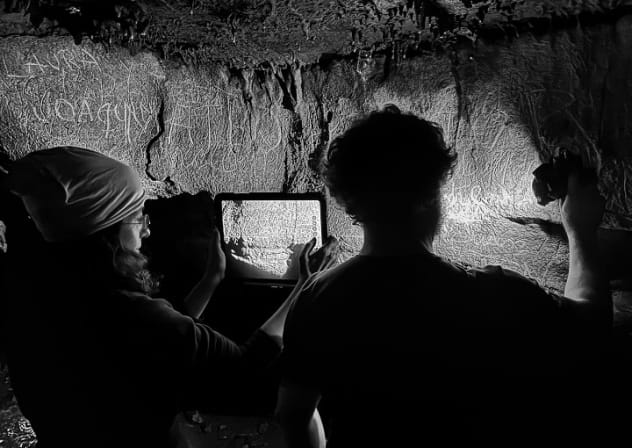
“Preliminary results indicate that Cova Dones was a cave-sanctuary frequented by women, since several female names appear among the inscriptions documented so far,” explained the team.
The figurines are “roughly shaped,” according to Anadolu Agency, lending weight to the researchers’ theory of them being used during ritualistic practices.

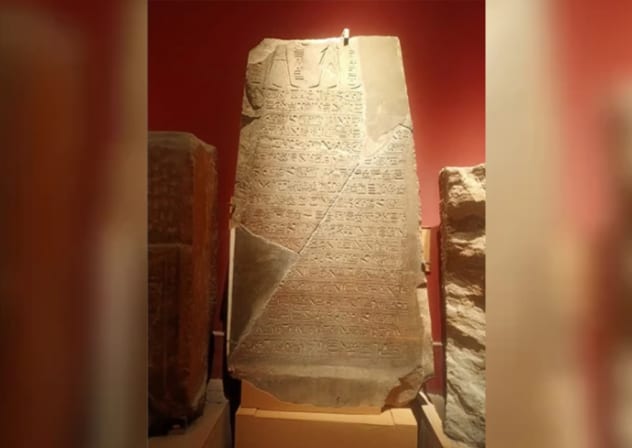
The museum’s director-general, noted that the stele was relocated and restored as part of the museum’s new display plan. It now stands between two other stelae depicting Ramses II.
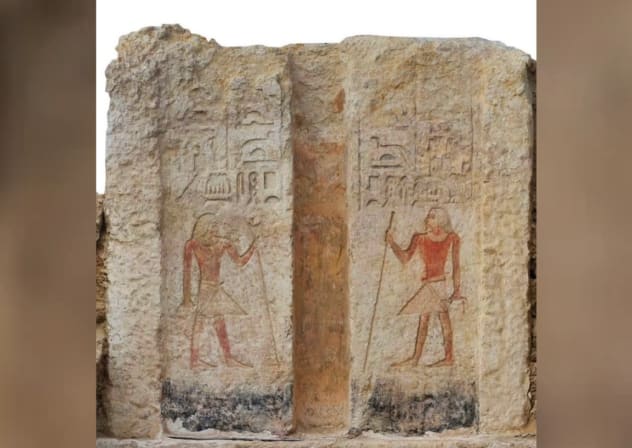
In front of the false door, archaeologists uncovered a complete set of alabaster funerary tools, including an offering table and disc, a purification basin, a jug, and a basin.
“Our job is to tell the story of these people, because we are here and we can learn a lot from them," Dagan told The Jerusalem Post.

The discovery at Asila opens a window into the trade network connected Egypt with the Arabian Peninsula, said Egyptian Minister of Tourism and Antiquities Sherif Fathy.

Alongside the lintel, archaeologists unearthed the remains of a temple believed to have been destroyed by the Romans during the legion’s quarrying efforts.

Notably, the Sheikh Soby site is home to a Late Period cemetery containing the tombs of Bahariya Oasis rulers and priests from that period, including the Temple of El-Bawiti.
