Archaeological study
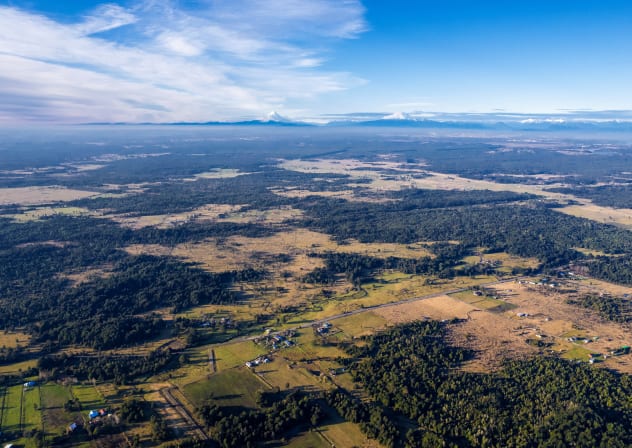
Is Monte Verde really 14,500 years old? Researchers clash over true age of Chile's ancient site
But a study published in March based on different testing called the 1997 study results inaccurate, concluding that Monte Verde dated to between about 4,200 and 8,200 years ago.

Snake snacks? Hunter-gatherer diets in northern Israel included reptiles, new study suggests

‘Smoking gun evidence’: Bronze Age shaman long thought to be male revealed to be female goldworker

Ancient Egyptian princesses were skilled archers, trained with weapons, controversial study claims
Stone handaxes found in Galilee show early humans valued aesthetics of their tools - study
The axes were dated to the Pleistocene, likely made by Homo erectus, the first human species to evolve to have a humanlike body shape and gait, who had lived in the region thousands of years ago.

Polish archaeologists find evidence of legendary king hidden in south Sudan - study
Despite its origin, the decree is seemingly ordinary. Written by a royal scribe named Hamad, it instructs an individual named Khidr to exchange textiles for livestock.

Dressed for the afterlife: What 7,000-year-old grave soil reveals about Stone Age clothing - study
The study uses the technique of microarchaeology to examine the soil collected from 35 graves at the Skateholm I and II cemeteries in southern Sweden.

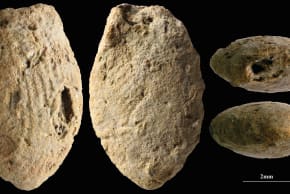
Ancient clay beads found in northern Israel rewrite timeline of cultural expression in the region
Researchers identified 19 different types of beads, whose shapes are reminiscent of plants that were harvested by Natufians, and were vital to their lives, such as wild barley, lentils, and peas.
Lesson learned: First inscribed Hellenistic sling bullet found in Golan Heights' ancient Hippos
The sling bullet found in 2025 at Hippos is the first inscribed bullet to be discovered at the site in 26 years of excavations.

Ancient Polish 'princess' burial date revealed after decades of archaeological mystery - study
In 1899, the young woman’s coffin, made of a hollowed-out oak log, had tumbled from an eroding cliff above the Baltic coast village. She was nicknamed by locals as the “Princess of Bagicz.”

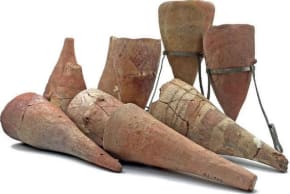
Israeli researchers crack century-old mystery of cone-shaped vessels found near Dead Sea - study
The fragments had been excavated from the Teleilat el-Ghassul archaeological site near the Dead Sea in Jordan between 1931 and 1938.
CT scans unlock secrets of mummified Inca children ritually sacrificed over 500 years ago - study
Researchers examined four frozen mummies recovered from the Ampato and Sara Sara volcanoes in southern Peru during the 1990s using CT scans.
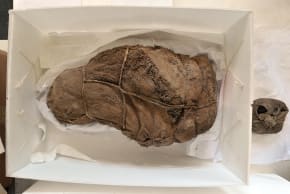
Meet Britain's oldest Northerner: The ‘Ossick Lass' buried over 11,000 years ago - study
In addition to the Ossick Lass, the remains of at least seven other individuals had also recovered from the cave.

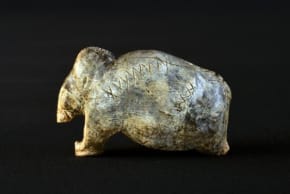
40,000-year-old markings may be the roots of script
German discovery of Stone Age art may reveal a precursor to writing