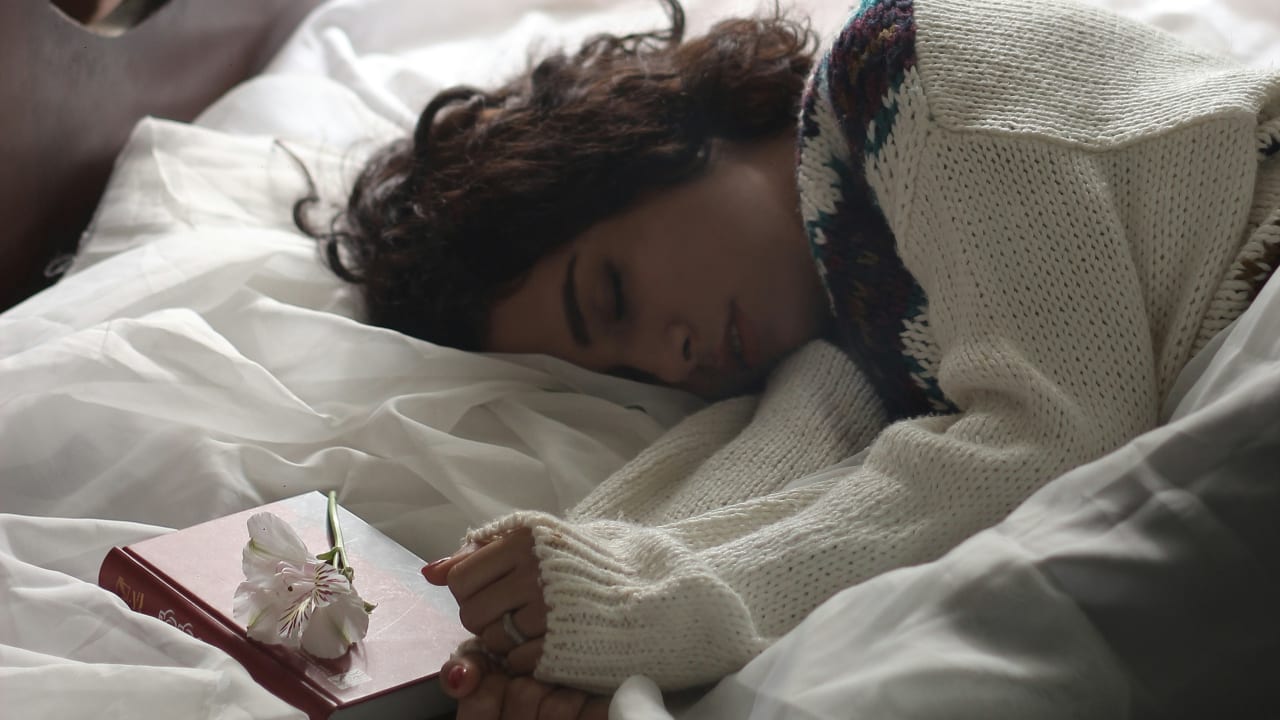
During week one of Operation Rising Lion against Iran, drowsy-eyed, coffee-laden Israelis who have been fortunate not to be among the victims of Iran’s attack against civilians are pressed to balance home, work, children home from school, the absence of reserve-duty family members, and sleep deprivation.
What began with an occasional Houthi wake-up call, almost always in the wee hours of the morning, has turned into sporadic, but regular nighttime attacks by multiple rocket barrages as the sun goes down, mostly aimed at the center of the country, while putting all of Israel at risk of raining debris and explosive materials as our systems and soldiers work to shoot down the incoming missiles and drones.
If you are walking around since June 13 like a pie-eyed zombie, and plying yourself with pots of coffee all day long, you are not alone.
Dr. Gilad Bodenheimer, head of Mental Health Services and Child and Youth Psychology at the Health Ministry, said the first thing to know is that having trouble sleeping in the present circumstances is normal.
“Anxiety because we have sleeping problems can make the problems worse if we are worried about it not being normal,” he said. “The first thing you should know is that many people are suffering from problems falling asleep and staying asleep.”
Dr. Uri Alkan, head of the Sleep Surgery and Medicine Clinic at the Otorhinolaryngology [ear, nose, and throat] Department at Rabin Medical Center-Beilinson Campus, Petah Tikva, is stuck overseas and is admittedly losing sleep, as he worries about his wife and daughters back home in Israel. Although the road is rough right now, he said, there is hope for restful nights ahead.
Sleep – why we need it
“Sleep is essential for life,” Alkan explained. “As human beings, we eat, drink, sleep, and breed. We need to try to keep our sleep as regular as possible because our bodies have two modes: Flight/Fight and Rest/Digest. Alarms, sirens, reading the news, and interaction with friends and family before we go to sleep – or while we sleep – brings up our Flight/Fight response and disrupts our body’s sleep/wake cycle.”
He pointed out that the problem occurs, even if we sleep in a comfortable, private mamad (safe room) and wake up with every alarm.
“Sleep deprivation,” he said, “has both short- and long-term health effects. The short-term effects are higher rates of depression, anxiety, and memory loss. It makes our libido lower, our reaction time lower, and can cause a higher rate of motor vehicle accidents.
“The long-term effects,” Alkan said, “include high blood pressure, and higher glucose and lipid levels in the blood – and it can even cause damage to the heart and brain.”
Bodenheimer explained that sleep is an important demand of our body, which has routines of releasing certain hormones at particular times of the day. Changing the cycle confuses the hormones, he said, which is why routine is very important in times of crisis.
That is why when people are sleep-deprived, they may find themselves seeking high-carbohydrate food.
“The peptide ‘hunger’ hormone ghrelin increases, and the leptin activity [satiety hormone] is lower, which makes you hungrier,” explained Alkan.
How to ‘sleep through’ the current situation
“Sleep,” said Alkan, “begins long before bedtime.”
He suggested that during the day, because our bodies need regularity, keeping to basic schedules is essential. That includes exercise during the day and ample exposure to sunlight.
“Being exposed to light during the day and not at night makes us more agile and awake,” he said, adding that regular exercise during the day helps the body wind down at night. “Physical activity during the day reduces anxiety and makes us more sleepy when night comes.
“Children need even more hours of REM [rapid eye movement] sleep. Kids are out of school, but they should be on some kind of schedule every day.”
The ear, nose, and throat (EMT) expert suggested that parents adhere to a schedule (in between missile alerts) and try to ensure as much as they can that their children go to bed and wake up at regular times.
“While children are obviously exposed to the alarms, we should be careful not to expose the kids to what’s happening with missiles that fall in nearby places. They are traumatized enough by the alarms; don’t expose them to the deaths and injuries – and watch them carefully for signs of alarm.”
Alkan does not oppose a good daytime nap, if it won’t interfere with nighttime sleep. He suggested limiting naps to 20 minutes and exploring apps for mindfulness and meditation. Bodenheimer said a two-hour nap when you have been up all night is perfectly normal.
He also suggested talking about your sleep issues with your neighbors to pick up tips and ideas on how to deal with things that come up.
Before bedtime
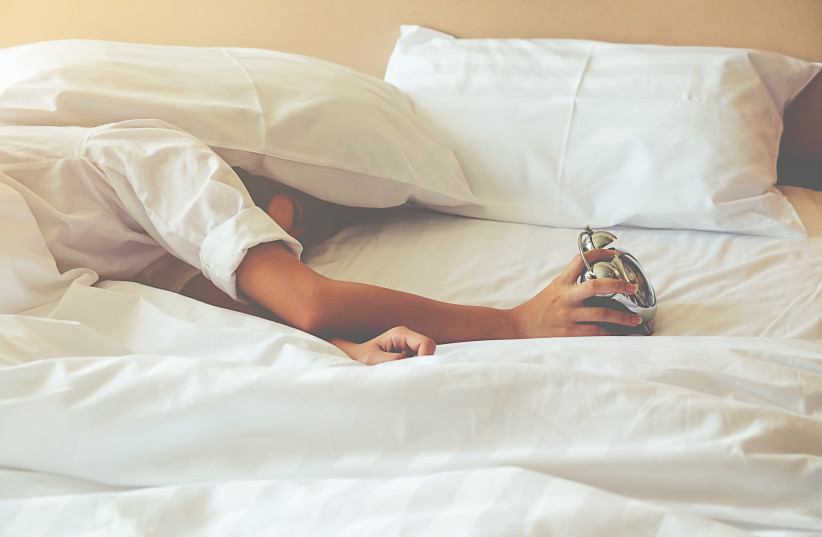
Both doctors warned against watching the nightly news or reading news feeds on phones before bedtime. They admitted that this is easier said than done.
“Do not fall asleep in front of the TV,” Bodenheimer said. “It creates too many distractions. The light, noise, and anxiety of watching news can keep you awake.”
“Don’t even read newspapers an hour or two before bedtime,” Alkan suggested. “Instead, read a book or listen to a podcast. Make your sleeping area, even if in a safe room or shelter, as comfortable as possible with mattresses, cozy blankets, and pillows.”
“Sleep requires a regular ritual to help our mind go into sleep mode, Bodenheimer added. “Sleeping in front of a TV or picking up our mobiles to check the news can disrupt sleep cycles and cause greater anxiety and worsen our sleep problems.”
He suggested putting the phone a meter away, where it is functional for alarms or emergency calls but is not within reach of your bed.
“Do whatever it takes to distract yourself a bit,” he said, “like taking a shower.”
Alkan explained that at night we should avoid blue light, including fluorescent lighting or older computers, which don’t have a blue light block like the newer ones do.
“When our brain sees blue light, it thinks it’s morning, not night time. Our body likes regularity – it needs schedule, so try, as best you can, to keep regular hours.
“Lower the temperature for better sleeping,” the sleep surgeon said. “Our body needs to lower its temperature by one degree to go to sleep. Don’t make it too cold, but know that it is easier to sleep when it’s cold.”
Alkan warned against eating big meals late at night, although his colleague said that food before bedtime doesn’t always disturb sleep.
How can you relax when you just received an early warning alert and may be expecting incoming rockets?
Bodenheimer suggested that breathing properly is an effective calming method.
“Extract air from lungs slowly as if blowing through a straw,” he said. “Clench and release each of your muscles one by one.”
If you are in a public shelter and have your own corner with a mattress, there are ways to relax there, Alkan noted.
“Don’t interact with the neighbors or call friends and family. Bring eye covers and earplugs for yourself and children, like you might on an airplane . Just as you have no control over the environment on a flight, being disconnected is better for your sleep in a shelter.”
Both doctors suggested lying down and using guided imagery – a mind-body technique that involves visualizing a nice, safe experience, like a vacation or other happy time.
All clear – what now?
After the alarm, Alkan recommended physical touch to help everyone get back to sleep. “Cuddle with your partner or children, he said. “Human touch relaxes us and makes the brain produce more of the relaxing hormone oxytocin, and it reduces the stress hormones cortisol and adrenaline.”
If anxiety is keeping one from sleeping, he suggested getting out of bed and doing something relaxing, such as reading a book.
“It is better to get out of bed and do something else than to worry in bed,” he advised.
Sleep deprivation can create a cycle that starts with not sleeping well due to anxiety and depression, then being more anxious and depressed about not sleeping.
“We need to remember that our body knows how to sleep,” Alkan said. “Most of us should be able to bounce back.”
Medication may help you get to sleep, but it can also make you sleep through extreme alerts – or worse, stumble on your way to the safe room.
“None of us are sleeping. We are all waiting for the siren,” Bodenheimer said. “If you haven’t slept at all and have been unable to sleep for more than 48 hours, it is time to consult your family practitioner, who may prescribe a natural solution like the sleeping hormone melatonin or something stronger.”
When we are in traumatic incidents, he said, sleeping aids can worsen reaction to trauma and may keep us from reacting properly to the alarm. “If you are going to take a sleeping aid drug, it is better to take it in the safe room and fall asleep there.”
The mental health expert said that people who have been diagnosed with depression or bipolar disorder may notice that not sleeping worsens their mental state, and they should consult with their psychiatrist immediately.
Will we ever sleep again?
“In medicine, there is no magic,” Alkan said. “However, most people will naturally adjust to regular sleep after the war. But if sleep deprivation is habitual, it can cause chronic insomnia. If it goes on for more than three months after the war, seek consultation. CBT [cognitive behavioral therapy] is one of the best treatments for insomnia, and there are drugs designed for acute phases.”
While there is no way to track the statistics of this latest war, Bodenheimer said that after Oct. 7, 2023, the Health Ministry noted that there was a rise in people being prescribed sleeping aids. While the levels never went back to the pre-war ones, there was a significant tapering off on the volume of prescribed drugs, as people became more adjusted to the situation.