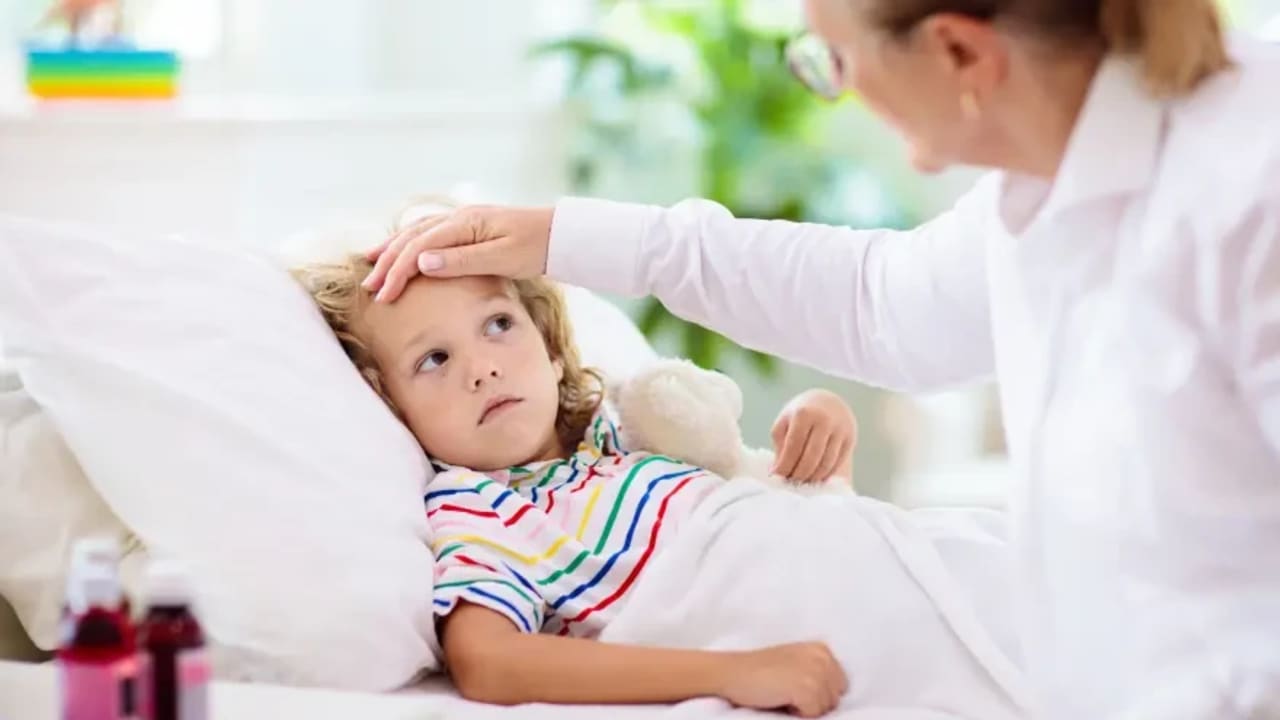
Autumn has just begun, but for many families the illness season is already here. A child returns from kindergarten with a runny nose, after a few days a cough starts, and sometimes siblings and parents get infected as well. Often it feels like an endless chain of illnesses.
The reason for this is that viruses that cause respiratory illnesses do not appear only in winter. Colds can occur in all seasons of the year, and there are viruses that tend to be active in spring and autumn as well. Children get infected often, among other reasons because they spend long hours in close proximity to other children, share toys and surfaces, and are still learning to maintain proper hand hygiene.
It is important to remember: Cold weather itself does not cause colds. Respiratory illnesses are caused by viruses, and transmission between children occurs through droplets and particles emitted during coughing or sneezing, close contact, and sometimes by touching contaminated surfaces and then touching the face.
Why do children get infected so much in particular?
During their first years of life, children’s immune systems encounter a wide variety of viruses, many of which are new to them. Therefore, especially at a young age and at the start of enrollment in educational settings, recurrent illnesses are a common phenomenon.
Every time a child returns to the educational framework after an illness, they may be exposed to a different virus. This creates the feeling that they have barely recovered from one illness before the next one starts. A runny nose and cough may also persist for a while after the acute phase of the illness has passed, so not every new cough necessarily indicates a new infection.
In most cases, these are viral illnesses that resolve on their own. However, it is important to monitor the child’s general condition and not rely solely on measuring fever or on the type of cough.
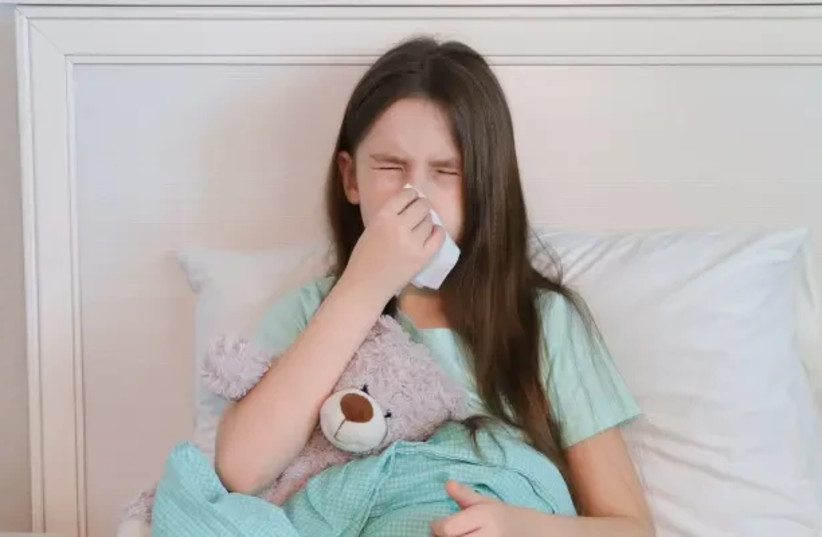
What can be done at home?
It is impossible to prevent every illness, but a few simple habits can help reduce the risk of infection and ease symptoms:
- Practice handwashing. It is a good idea to accustom children to washing hands with soap and water, especially before eating, after using the bathroom, and after blowing their nose.
- Ventilate the home and classrooms. Clean air and room ventilation may help reduce exposure to airborne respiratory particles.
- Keep a sick child at home when necessary. If a child is not feeling well and cannot participate in regular activities, it is better to let them rest and limit exposure to other children. Follow educational institution guidelines and medical advice.
- Ensure rest and fluids. Fluids, rest, and relieving nasal congestion using age-appropriate saline preparations can help manage cold symptoms.
- Be cautious with over–the–counter medications. Not every cough and cold medicine is suitable for children, and in young children certain medications can be dangerous. Consult a doctor or pharmacist before administering medication.
When should you not just wait?
Alongside mild illnesses that resolve on their own, there are warning signs that require medical evaluation. Difficulty breathing or rapid breathing, unusual drowsiness, a significant decrease in drinking or urination, or a child who looks very ill require prompt medical attention. In young infants, and particularly an infant under three months old with a fever of 38 degrees or higher, immediate medical evaluation must be sought.
Even if a fever lasts several days, symptoms worsen, or the child improves and then develops a fever or significant cough again, consulting a doctor is recommended. Parents who are worried about their child’s condition should not wait for all warning signs to appear.
Autumn is a period of returning to routine, to kindergartens, and to schools, and sometimes also a time of recurring illnesses. It is impossible to prevent all exposure to viruses, but understanding transmission routes, adhering to basic habits, and recognizing warning signs in a timely manner can help parents navigate this period with greater confidence.
Reported with the help of Dr. Shani Peled, hematologist and pediatric specialist at Maccabi Healthcare Services