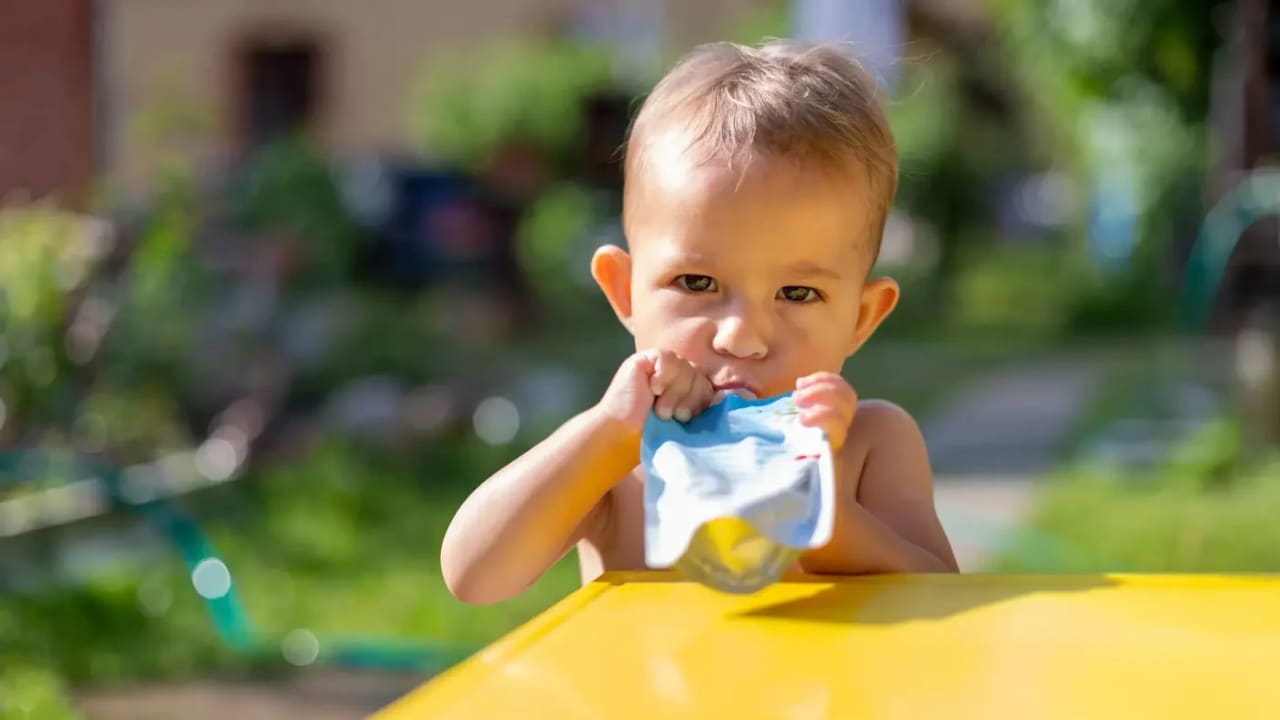
Squeeze pouches (ready-to-eat fruit purée pouches) have become commonly used in the lives of infants and toddlers in recent years. They are available on supermarket shelves, in parents’ bags, in strollers and even in the children’s small hands, and are presented as a healthy and convenient choice. Their convenience and colorful packaging make them appealing, but behind the packages lie significant health and developmental implications that require professional attention.
Early exposure to sweet food may create a strong preference for sweet flavors in the toddler, and contribute to unbalanced eating habits throughout life. Studies in the field of child nutrition show that these early habits are connected later on to a preference for sweet foods, increased risk of obesity and future metabolic problems.
Another problem is the harm to eating development. Eating through a squeeze pouch does not require chewing, does not expose the baby to different textures, and does not allow full sensory experiences—touch, smell, texture, and interaction with the parent during the meal. Chewing skills, the ability to cope with different textures, and preparation for dietary variety may develop less effectively. In professional terms, this is a “silent” injury to the child’s sensory and nutritional development, which can affect acceptance of solid food and the ability to chew and handle a variety of textures at a later age.
Dental health is also at risk. The sugar and acidity in squeeze pouch products, especially when the mouth is not sufficiently rinsed after eating, increase the risk of early childhood caries.
In addition, one must take into account the environmental impact of squeeze pouch products. The single-use pouches are usually not recyclable, and the increasing use of them creates a burden on waste systems, contributes to environmental pollution and highlights the need for environmental awareness also in the field of toddler nutrition.

In conclusion, despite the convenience and availability of squeeze pouches, it is recommended to prefer fruits and solid foods in their natural form, incorporate varied eating experiences, and bring the meal back to the table. This ensures healthy nutritional development, proper eating skills, strong teeth, and balanced nutritional habits, along with early education toward diverse taste preferences.
Recent studies have found that many purée pouches contain a relatively high amount of sugar—sometimes 10–16 grams in a single pouch, and sometimes also concentrated fruit extracts that increase the sweetness. In addition, most squeeze pouches contain almost no dietary fiber, so the sugar is absorbed more quickly and the baby stays full for a shorter time. At an age when babies are learning to recognize hunger and fullness and to build their first experiences with food, the quality of the ingredients plays a central role.
If squeeze pouches are already being used, it is easy to enrich them: Add a little yogurt, tahini, natural peanut butter or almond spread. These additions gently change the texture, add nutritious components and allow for a more varied experience.