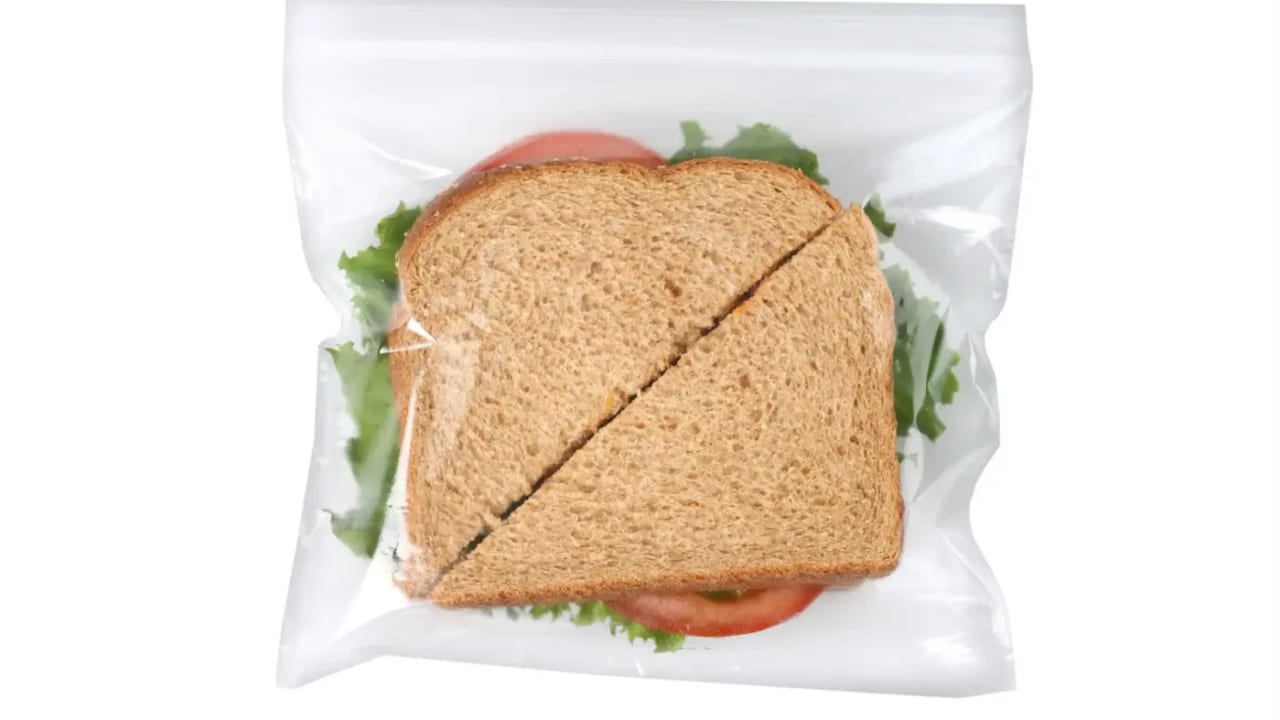
The school year begins, and along with it returns the daily argument in every home: What sandwich to put in the bag? The sandwich may seem like a small detail, but it can determine whether the child will return tired and hungry, or full of energy and focused until the end of the day.
The right sandwich is much more than a slice of bread with a spread – it can become a small and balanced meal that provides energy, vitamins, calcium, and protein, all in a small package that fits in a box or a bag.
But it is important to remember: The sandwich is not just a children’s matter. We adults also often find ourselves in the middle of a work or study day, looking for a quick and accessible solution.
A good sandwich is a perfect snack, and even a substitute for lunch/dinner: Easy to carry, easy to prepare, and it can really replace lunch – especially when it combines whole bread, a protein spread, and vegetables. In other words, the sandwich is not “just a snack,” but can really be a complete meal in a small wrapper.
What makes a sandwich healthy?
The guidelines here are, of course, similar for both children and adults.

1. Whole grain bread – the most important choice
Many times we debate what spread to put, but the truth is that the base – the bread – is what determines the nutritional value of the sandwich. White flour bread looks soft and tasty, but nutritionally it is almost an “empty shell”: It contains almost no vitamins, minerals, or fiber, and it breaks down very quickly into simple sugar that causes sharp rises and falls in blood sugar levels.
On the other hand, whole grain or multi-grain bread provides the body with fiber, iron, magnesium, B vitamins, and energy that is released gradually.
Today there is a huge variety of whole grain breads – some soft and sweet, suitable even for picky children – and this is the difference between a “filling” sandwich and a “nourishing” sandwich.
2. Protein spread – not just carbohydrates
A sandwich with jam, fried eggplant, or chocolate spread provides mainly carbohydrates.
So what’s the problem? Children’s bodies (and ours too) need protein to grow, build muscle, develop the immune system, and maintain a sense of satiety for a long time.
Therefore, it is worth choosing a quality protein spread: White or yellow cheese, omelet or hard-boiled egg, tuna in water, hummus, or even natural peanut butter. These provide the body with the real “building blocks” it needs – not just available energy.
3. Vegetable or fruit – the small upgrade that makes all the difference
Many children prefer the sandwich “clean,” without vegetables, but it is especially important to add them here.
Vegetables like tomato, pepper, or cucumber provide fiber and vitamins, especially vitamin C – which improves the absorption of iron from tuna and hummus and the absorption of calcium from cheeses.
I want to emphasize – if you eat a sandwich with cheese only, much less calcium will be absorbed than from a sandwich with cheese and slices of red pepper or tomato.
If it’s hard to convince, you can add fruit on the side.
Examples of healthy sandwiches
When it comes to children, in my opinion it is important to prepare a weekly sandwich plan in advance instead of arguing in the morning and then finding the child leaving with an unhealthy snack substitute or a sandwich that does not contain everything the body needs.
Often we run out of ideas and return again to the same chocolate spread or yellow cheese. To make school (or work) meals both varied and healthy, it’s worth planning ahead. I prepared an example of a simple weekly plan – a different sandwich for each day – that combines protein, whole grain, and vegetables or fruits on the side. You can vary between types of bread and spreads, swap according to personal taste, and find for each child (or adult) the combination that suits them best.
Sunday
Sandwich with any type of white cheese. Add red pepper or tomato for vitamin C.
Monday
Sandwich with a hard-boiled egg or omelet. The egg contains the highest quality protein, as well as vitamin B12 and zinc, which are needed for the immune system.
Tuesday
Sandwich with tuna in water. Tuna is an excellent source of omega-3, which also helps brain function and concentration. Add fruit such as kiwi or melon to improve iron absorption.
Wednesday
Sandwich with yellow cheese. This is the cheese richest in calcium – necessary for strong bones. Prefer 9% fat yellow cheese. On the side: An apple or pear.
Thursday
Sandwich with hummus. Hummus provides plant-based protein, iron, and fiber. It’s worth adding tomato or cucumber to improve iron absorption.
Friday
Sweet sandwich. That’s fine too – once a week! If choosing chocolate, it’s better that it be a spread with less sugar. But there are also tastier and healthier alternatives: Date spread, low-fat jam, or an American-style sandwich with peanut butter and jam – in which at least the peanut butter is rich in magnesium, zinc, and healthy fats.
Sandwiches for adults too
The sandwich accompanies us from childhood to adulthood – only the content changes according to our needs.
A perfect snack for adults working long hours or studying, a sandwich can be an excellent solution for a meal. It’s convenient to carry in a bag, requires no heating, and provides available energy without being heavy.
In this case it is important to note that a sandwich with a protein spread – cheese, yellow cheese, pastrami, hummus, or egg – will be more filling for a longer time than a carbohydrate spread, because the combination of protein with the carbohydrate of the bread slows the absorption of sugar into the blood.
Easy to prepare – easy to carry
While hot meals require a container, heating, and planning, a sandwich takes two minutes to prepare – and you’re on your way. It’s suitable for a short coffee break at the office or as a snack between meetings.
Nutritional value of a complete meal
When you choose the right bread (preferably whole grain), add a protein spread (egg, cheese, tuna, hummus), and add a vegetable or fruit – the sandwich provides complex carbohydrates, quality protein, dietary fiber, and vitamins. In other words – it’s a balanced meal in every sense.
No time to sit down for a proper meal? A smart sandwich can take the place of lunch.
Diet lunch/dinner
A meal intended for weight loss contains about 350–400 calories, and is made up of a protein portion, a carbohydrate portion, a fat portion, and vegetables.
All of this can fit into one filling sandwich that is actually a meal –
· Slice of 100 grams chicken breast or egg/omelet – as the protein portion
· 2 slices of whole grain bread – as the carbohydrate portion
· 1 teaspoon raw tahini or 1 tablespoon avocado – as the fat portion
· Slices of tomato, lettuce/baby leaves – vegetables
And if you can add more cut vegetables on the side, that’s of course wonderful, both health-wise and for the feeling of satiety from a larger meal.
What should not be put in a sandwich?
Cold cuts and processed meats – contain a lot of salt and preservatives, and in recent years have been found to be linked to an increased risk of colon cancer.
Spreads high in sugar and fat – provide immediate energy, but do not contribute to growth and health.
Sweet white flour rolls – look festive, but break down very quickly into sugar.
For Dr. Maya Rosman’s course: How to improve health and how to lose weight in a sane and reasonable way, click here.