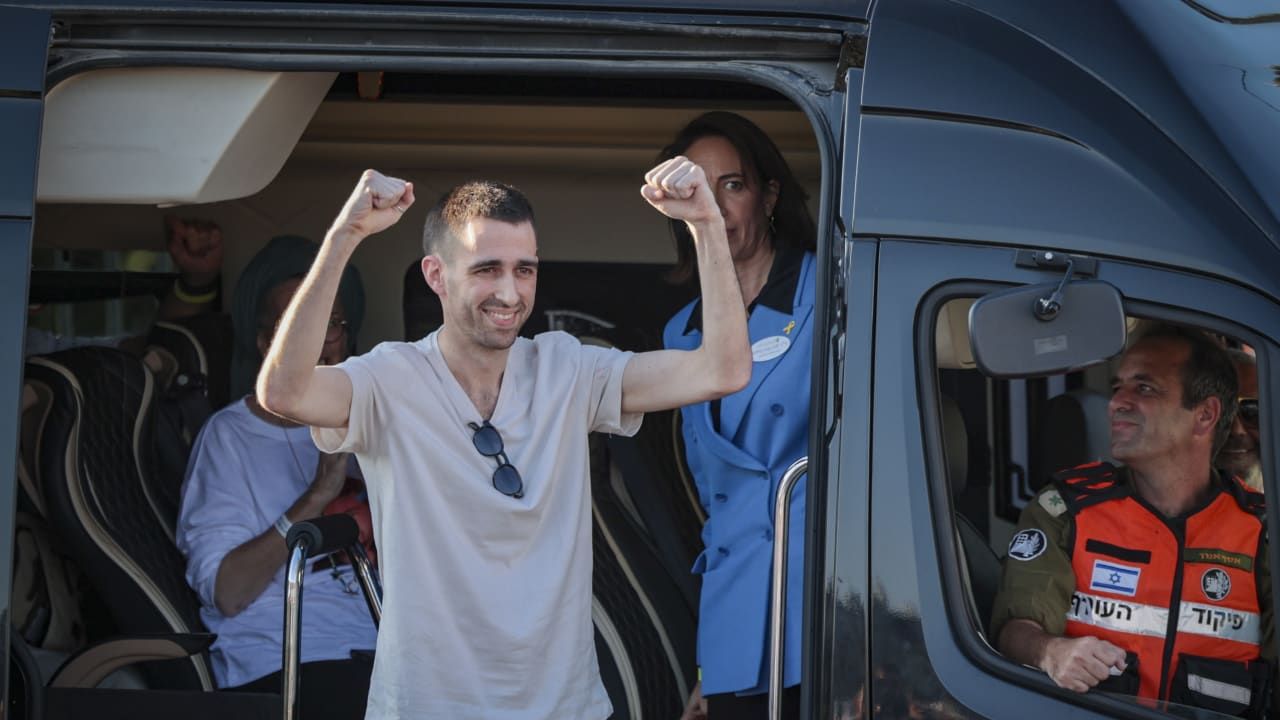
In the first days of their stay in hospitals, the hostages receive a gradual and carefully monitored diet, following a feeding protocol set by the Health Ministry.
The goal is to restore their bodies to normal functioning following the severe starvation they endured during their captivity by Hamas.
Each hostage is assigned a personal nutritionist, a menu tailored to blood tests and identified deficiencies, and the opportunity to eat favorite or home-cooked meals brought by their family.
When the hostages arrived at the hospitals, one of the first tasks of the medical teams was to ensure that the transition from prolonged starvation to regular nutrition would be done in a controlled and cautious manner.
According to Health Ministry guidelines, the feeding in the first days is gradual and closely monitored by clinical dietitians and internal medicine doctors.

The aim is to prevent refeeding syndrome, a dangerous condition that can lead to severe metabolic imbalance and even life-threatening consequences.
Phases of introducing an eating plan for ex--hostages
In the first phase, each hostage was given tea with a teaspoon of sugar, a few biscuits, and applesauce upon arrival.
Along with the food, a 100 mg dose of thiamine (Vitamin B1), an essential nutrient that helps convert food into energy, was given. Thiamine deficiency is common in extreme hunger situations and can lead to confusion, weakness, movement disorders, and severe neurological damage.
In the following days, based on physical indicators, blood tests were conducted to check sugar, potassium, magnesium, and phosphorus levels, as well as kidney function, protein levels, and overall physical condition.
Each hostage was also assessed according to their BMI (body mass index), which is the ratio of weight to height squared, and based on the result, their nutritional status was classified: medium or high risk. The lower the BMI, the slower the feeding process.
As some of the hostages arrived severely underweight and had lost up to 40% of their body weight, this assessment was crucial.
Hostages at high risk, meaning those with a BMI of less than 16, also received glucose intravenously and vitamin supplements, including Vitamin D (due to lack of sun exposure during captivity), Vitamin B12, and iron.
Additional supplements like zinc, calcium, and electrolytes were provided to help restore body functions.
Each hostage is accompanied by a dedicated clinical dietitian throughout the initial rehabilitation period. The dietitian creates a personalized menu based on test results, muscle condition, medical history, and injuries.
Alongside medical food, the menu includes easy-to-digest, soft foods like chicken soup, mashed potatoes, vegetable puree, and soft cheeses. As recovery progresses, ground meat, pasta, brown rice, fruits, and eggs are gradually added to the menu. The menu is built together with the hostage, incorporating foods they were familiar with and enjoyed before their captivity.
Although the initial feeding is done in controlled portions, hostages were also allowed to receive homemade food from their families, subject to the nutritionist's approval. The aim is to foster a sense of security and emotional comfort through familiar home flavors.
Some hostages requested simple Israeli foods like chicken, steak, or couscous, dishes that evoke home, warmth, and normality. Others asked for lighter meals like yogurt, tuna, or pasta.
A prominent characteristic observed among all hostages is significant muscle wasting and physical weakness. As a result, there is an emphasis on protein supplementation to rebuild muscle mass and strengthen the body.
This includes protein-rich foods like yogurt, eggs, tofu, and soft cheeses, and occasionally medical protein supplements given in drinks.
Throughout the process, vital signs for each hostage are monitored: blood pressure, heart rate, oxygen saturation, and sugar levels, every four hours during the first day.
The medical team monitors any changes in response to the body and adjusts the feeding plan accordingly. The goal is to increase daily calorie intake by a third of the target until full nutrition is achieved within five to ten days.
Along with clear guidelines, there are also small human moments. The teams report that hostages have asked to avoid foods they remember from their captivity, particularly white rice and simple pita bread. Many of them shared that for months, they ate only these two foods, sometimes in small or completely dry portions, and therefore do not wish to see them on their plates again.
Some hostages also requested sweet flavors: chocolate, cookies, fruits, ice cream, and candy, which fill the wards of returning hostages. The main message of the feeding protocol is both caution and humanity.
It allows the body and soul to recover at a natural pace, rebuild internal systems that were damaged, and create room for small moments of normalcy.
As one of the dietitians accompanying the hostages said, "the food here is not just fuel for the body, it is also part of the emotional healing process. They are returning to themselves, one plate at a time."