Israeli science
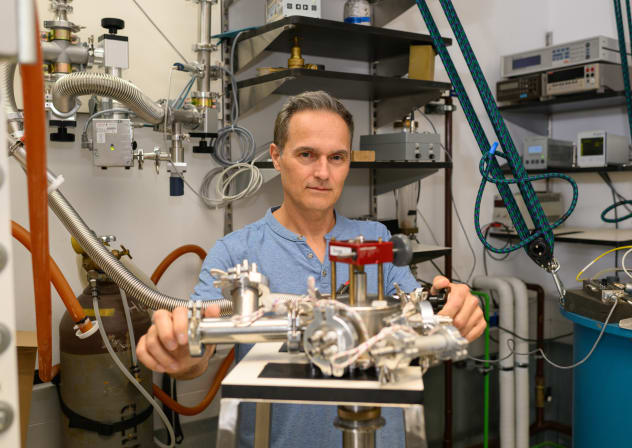
Inspired by Archimedes, Israeli scientists shrink ancient invention to a single molecule
Inspired by the Archimedes screw, a microscopic rotor uses electricity to spin and boosts electrical current up to a hundredfold.
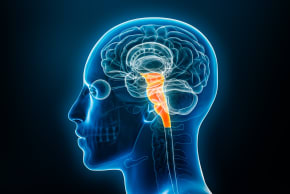
Where does consciousness begin? Israeli researchers point to a surprising part of the brain

Israel proposes new space law requiring permits for satellite launches, sales, and asteroid mining

Israeli hospital launches AI system to enable hospitalized children to communicate without speaking
Israeli team aims to restore sense of touch to those with nerve damage
The device is made out of biocompatible materials that are safe for the human body and should be able to be implanted anywhere once clinical trials are complete.

New nanotechnology allows the human body to generate electric currents
The research into new nanotechnology could pave the way for external energy sources in medical devices to be replaced by green renewable energy, generated by the human body.

Medical cannabis may be effective for young epilepsy patients
Hebrew University team completed the first-ever meta-analysis of pediatric patients treated with medical cannabis

Israeli researchers develop electronic nose to detect diseases, poisons
"It will be possible to disperse the gas sensors over a wide area in the city in order to warn of the presence of dangerous gases and air pollution," says Prof. Raz Yelink, who led the study.

Hebrew University researchers discover the taste of heavy water
While it is not radioactive, heavy water is highly coveted for its unique atomic structure and properties, which allow it to be used in the production of nuclear power and weapons.

Haifa University professor shortens process to identify receptor function
A new computational method developed at Haifa University shortens the usually long process to identify receptors' functions.

Technion faculty members win prestigious EU awards
Two professors from the Technion won a total of $3.7 million in grants awarded by the European Research Council.

Israeli startup introduces tech that can detect coronavirus in cars
The system by Crispify alerts drivers to dangerous pollutants in real-time, and predicts their reappearance in the future, reportedly destroying 99.9% of various viruses, including coronavirus.

Tel Aviv University scientists win 2020 Nature Research Awards
Three professors have been chosen this year to receive the prestigious mentoring award, which is usually given to a different country each year.

Masks are much more likely to disrupt facial perception - study
Ben-Gurion University researchers conduct a recent study that evaluates how masks disrupt facial recognition and perception.
