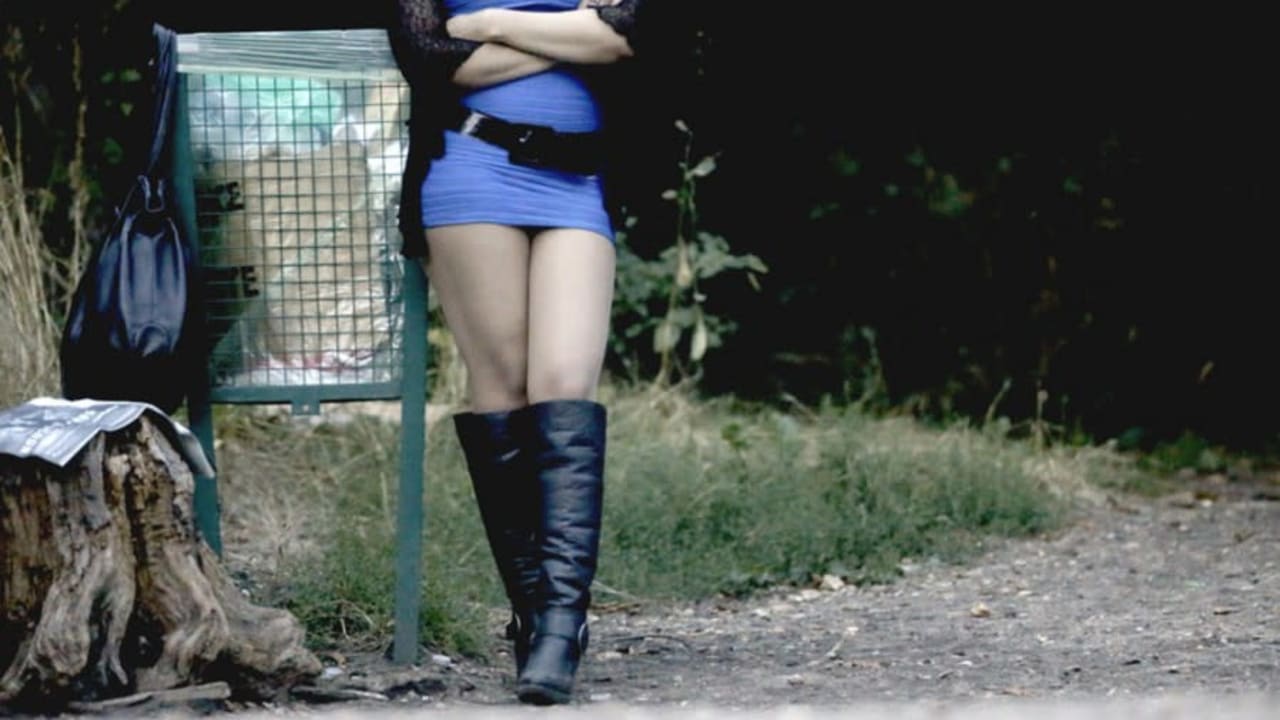
Amid all the trauma and post-trauma that has engulfed all of Israel in the past two years, there lives a group of women who experience violence, humiliation, and physical and mental damage on a daily basis. As a result of this as well as previous injuries, they suffer from untreated post-trauma for years. These are not female soldiers in the army – these are survivors of prostitution, women who pay with their bodies and minds for years of neglect.
In order for a woman, or a man, to enter prostitution, at any age, at least one of the following conditions must be met: early sexual abuse, severe financial hardship, lack of a family background, and, surprisingly, motherhood. Yes, almost two-thirds (62%) of women in prostitution are mothers who have to take care of their young children and therefore deteriorate into the so-called “oldest profession in the world.” Debt, loans on top of loans, and violent partners who are breathing down their necks are some of the scenarios that push women into the most abusive occupation imaginable in order to survive in Israel.
Tali, a post-traumatic stress disorder survivor, has been dealing with these exact phenomena her entire adult life. She is a victim of prostitution who is recovering and taking significant steps to build a normative life at Turning the Tables, an organization that comprehensively helps women exit the sex industry.
“I used to feel strange and misunderstood,” she told me. “Now I feel like everyone around me understands the reality I’ve always lived in.”
It’s a life mission for her; she manages to persevere in it and there are already results on the ground. Tali is no longer part of the sex industry. Now she is stabilizing financially and settling debts that piled up during her years in prostitution, when she didn’t care about anything, because she simply didn’t believe that there was another real option for her.
She has no memories of another time, when everything was fine. For her, the trauma started early, and when she was in trouble, she didn’t really have anyone to turn to, so she turned to the sexual exploitation industry and was sucked into a trap that is very difficult to get out of.
Women in the sex industry are fighting for their survival
MANY DISMISS the issue of helping women in prostitution by saying that they chose this path as a strategy for earning a living and financing their lives and the lives of their families. I want to offer a slightly different perspective: that women in the sex industry are fighting for their survival. They did not choose prostitution among many choices, they simply entered this horrific cycle under certain life circumstances that made it difficult for them to choose otherwise.
Just like soldiers fighting on the battlefield in a war against the enemies of the state without the ability to navigate the decisions from above, women also fight to survive in their bodies and minds after being thrown into the prostitution arena.
A woman who has survived the humiliation, violence, anxiety, depression, nightmares, and physical alienation in the sex industry has many ways to describe herself, depending on what moment she is in. Is she in a moment of connection or disconnection, is she saying this to someone who is there to help her and hear her pain, or is she just trying to answer a stupid question from someone who always sees her as a prostitute and prostitution as an anecdote?
In a moment of connecting to herself, she will talk about the existential distress and the desire to go out and restore her perceptions of herself. She will talk about her rights as someone who has been hurt and now suffers from complex post-trauma, which appears in situations where the hurt continues over years, digging wounds of distrust and scratches of pain that knows no cure in the victim’s soul.
Until that point, the woman no longer feels in control of her life, and cannot muster the strength to actively survive. Instead, she survives inertly, continuing to show up at the brothel or on the street by default.
When this is the case, she needs someone to see her outside of this bubble and reach out to her, to remind her that she is a woman who deserves a good life; a creative life, with satisfaction, with fulfillment. Someone to remind her that her children deserve to have a different future, different from her current path, with the ability to get up every morning after a good night’s sleep, go to work, go back and be a present mother. It’s as simple as that.
EVERY TIME there is a war, a military campaign or another crisis, the number of requests for assistance from Turning the Tables (TtT) increases tenfold, leaving us breathless. When a woman wants to leave prostitution, it means that she is expressing for the first time hope for a life outside the cycle of sexual violence, and she needs to be answered.
At TtT, there is a program called Wearing the Heart on the Sleeve. In collaboration with social entrepreneur Dalit Lavie, it provides a platform for creating something new in life, and to develop the power of choice, learning and developing ideas. In honor of the month of awareness on the harms of prostitution, which is taking place in August, the women were presented with a project where each learned different techniques and applied them to designing a denim jacket. Selling the jacket was also their first income outside of prostitution.
I meet women who need a positive outlook every day. What’s more, they deserve it. Without our help, they could remain abandoned to their fate, while the collective trauma that is now embedded in such a large population only worsens theirs, and pushes them to the extreme edges even further.
Women and men who are in the sex industry and their children deserve that everyone will know what the damage is and how important it is to help those who want to get their first chance to escape this vicious cycle.
The writer is the founder and director of the Turning the Tables association, which has been helping women exit the cycle of prostitution since 2011, and operates with the support of the Welfare Ministry and National Insurance Institute, as well as contributions from foundations and individuals.