
Demand for mental health treatment in Israel has risen by approximately 240% over the past two years, Clalit Health Services said in a Monday statement, pointing to the mounting psychological toll of the war and prolonged national trauma.
The figures were presented during a visit by the Knesset Health Committee to Clalit-Beilinson Hospital, where lawmakers met with senior health officials to discuss the pressures facing Israel’s medical system, wartime preparedness, and new tools being used to handle the growing need for psychiatric and psychological care.
Clalit, Israel’s largest healthcare organization and the provider for more than half of the country’s population, said it had recruited 290 new mental health professionals since the start of the war and expanded some 40 mental health clinics across the country.
Health Committee chairman MK Yonatan Mashriki said the committee would work to advance additional government investment in mental health services, telemedicine, and home hospitalization, with particular attention to Israel’s peripheral regions, where access to care is often more limited.
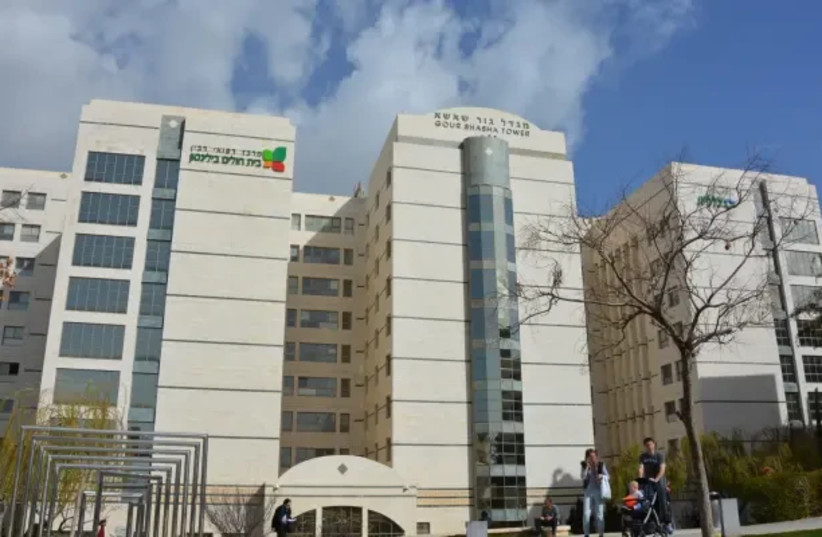
Committee members briefed on planned fortified medical complex
The visit also focused on how hospitals are adjusting to the demands of prolonged conflict, including repeated missile fire and the need to maintain medical services during emergency scenarios.
Committee members toured Beilinson’s underground emergency hospital facilities and were briefed on the planned “Tower of Hope,” a fortified medical complex expected to open in 2027. The project, estimated at more than NIS 2 billion, is set to bring advanced cardiac and neurological care into one protected facility.
Clalit CEO Prof. Eytan Wirtheim said the war had forced hospitals to rethink emergency medicine, moving beyond preparations for conventional mass-casualty incidents and toward the realities of blast injuries, sustained attacks, and uninterrupted care under fire.
Hospital officials also presented medical technologies being developed or used at Beilinson, including AI-based systems aimed at improving stroke detection, earlier identification of pancreatic cancer, analysis of chest pain associated with cardiac events, and detection of malignancies affecting the vocal cords.
Health officials warned lawmakers that the mental health surge is only one part of a broader strain on Israel’s medical system. They cited shortages of doctors and nurses, mounting pressure on psychiatric services, and widening gaps in healthcare access between central Israel and the periphery.
A dedicated mental health emergency response unit
Earlier this month, Magen David Adom and Israel's Health Ministry announced the establishment of a new dedicated mental health emergency response unit, following a successful pilot program.
The Israeli emergency service system said it is evaluating a phased expansion of the program with the Health Ministry, aiming to accelerate its rollout over the coming years. MDA said the new unit will help improve care for mental health-related emergencies.
The Jerusalem Post staff contributed to this report.