Israel braces for rainy Election Day, but can bad weather affect voter turnout?
Showers are expected on Election Day, but turnout figures going back to 1949 show that the weather has never decided who shows up at the ballot box.

Showers are expected on Election Day, but turnout figures going back to 1949 show that the weather has never decided who shows up at the ballot box.


Education Minister Yoav Kisch discusses Likud's coalition-making possibilities, political red lines, and his own political future ahead of the October 27 Knesset elections.

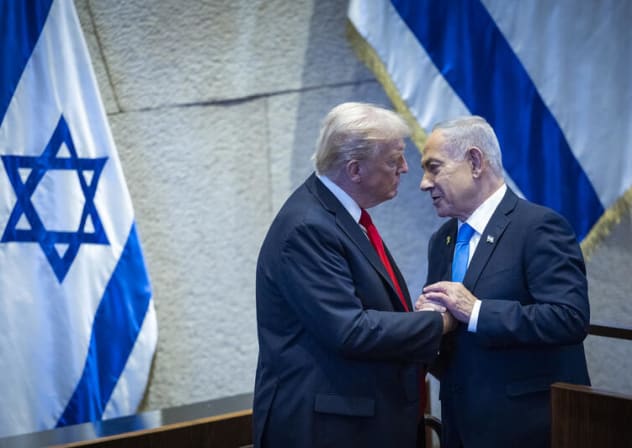
In recent weeks, the American president had closely monitored Netanyahu's political standing and the balance of power between Israel's rival political blocs, sources told Maariv.

The online trading platform’s market gave Eisenkot, leader of the Yashar party, a roughly 49% chance of becoming prime minister after the election
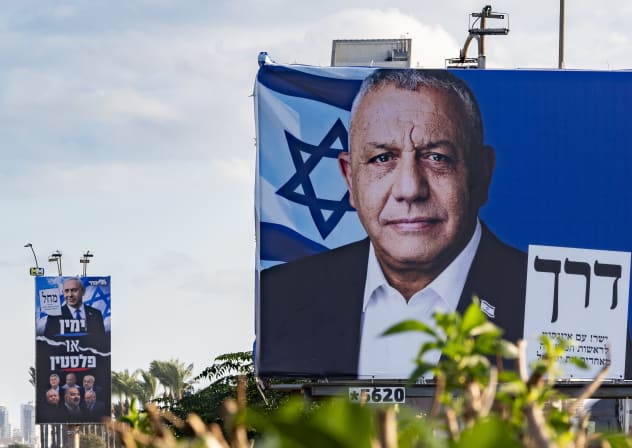
Magal’s earlier remarks drew criticism after he described Eisenkot as a figurehead controlled by Ashkenazi elites.
Some pundits speaking on Israeli news outlets criticized Trump for “interfering” in Israel’s election, while others put it down to the fact that Trump does not want the US to fight Iran alone.

"I decided to express support for Netanyahu because we have a good relationship, and that we will continue to do good things together," Trump told N12.
"If I put this ballot in the box, what government, policies, and political reality am I helping create?"

Netanyahu raised concerns about how the next Israeli prime minister would manage relations with a potentially hostile US administration.

The PMO has "officially pledged to a number of countries in the European Union that Ben-Gvir will not be part of the next government," the national security minister claimed.

Trump endorses PM nine days before the October 27 election, says Netanyahu "will never let you down" • US president suggests alternative leaders would leave Washington to face Iran alone