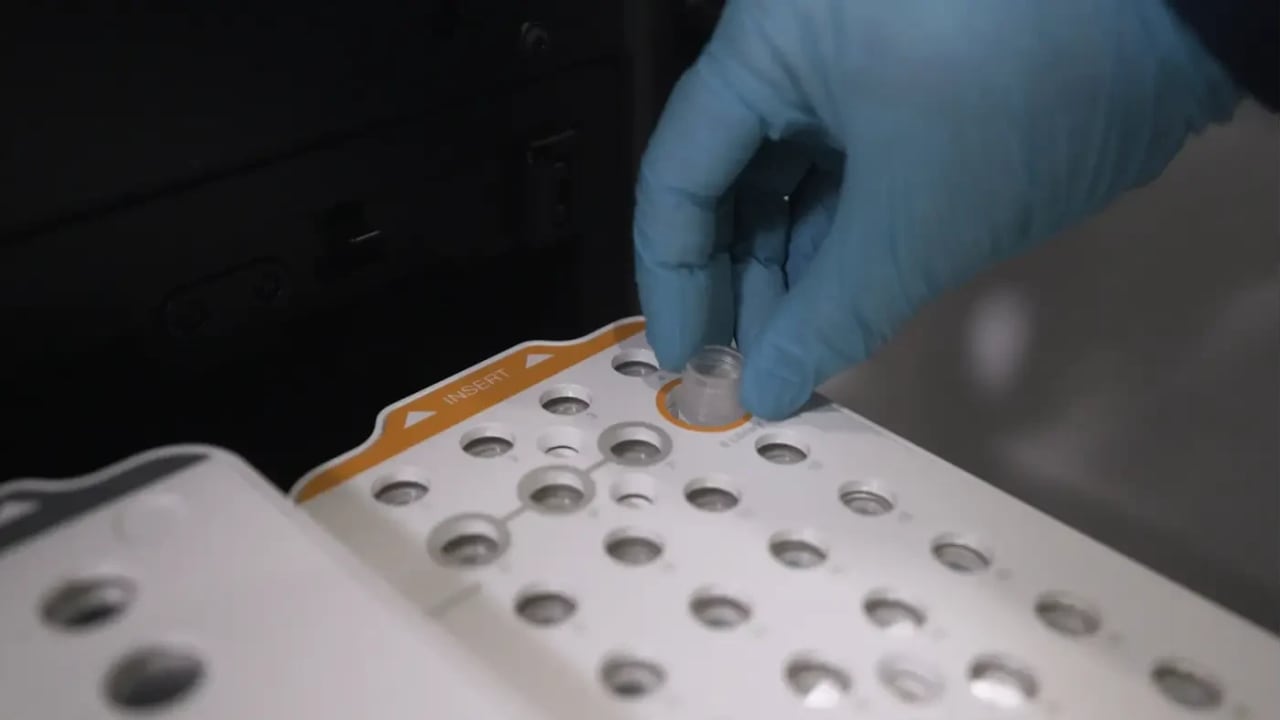
Early detection of cancer is considered a key factor in treatment success, but currently, effective screening tests exist only for a limited number of tumors — breast, colon, lung, cervical, and prostate. About 75% of deaths are caused by tumors that currently have no early detection tests, and therefore most patients are diagnosed at advanced stages, when treatment options are more limited.
The Galleri blood test works by identifying "unique signatures" in DNA originating from cancer cells. The algorithm developed by the company not only detects the presence of a tumor but can also indicate the suspected organ.
Advantages:
• A simple blood test, without the need for preparation or an invasive procedure.
• Provides a relatively fast result.
• Can serve as a complementary tool alongside existing screening tests.
Suspicious Results in Nearly One Percent of Participants
At the American Association for Cancer Research (AACR) conference in Chicago, data were presented from 111,000 participants in the United States, aged 22 and older, who took the test between April 2021 and October 2023.
Main Findings:
• About 0.9% of participants received a positive result suspicious for cancer.
• More than half of those participants were later diagnosed with cancer after further investigation.
• About 63% of the patients were identified at an early stage of the disease.
• The test succeeded in detecting 32 different types of cancer, including pancreatic, liver, and ovarian — tumors that are particularly challenging for early diagnosis.
• 74% of the tumors detected were of types that currently have no recommended screening tests.
Limitations and Accuracy
Like any screening test, Galleri also has limitations:
• False positives – about 0.5% of cases: A result suspicious for cancer that was not confirmed later. In most cases, it is recommended to repeat the test after several months.
• False negatives – about 1.5% of cases: The test appeared normal but a tumor was later found, usually small or less aggressive.
Nevertheless, the accuracy rates are considered high compared to existing screening tests.

Who Is the Test Intended For?
The test does not replace conventional screening tests but serves as a complementary tool. It is recommended to consider it especially for high-risk populations:
• People aged 50 and older (the risk of cancer is 13 times higher compared to younger individuals).
• People with a family history of cancer.
• Carriers of genetic mutations.
• Patients who have previously recovered from cancer.
The findings indicate significant potential: A single blood test that can detect dozens of different types of cancer at early stages, even before symptoms appear. If implemented on a wide scale, the use of such technologies may lead to a significant reduction in mortality — similar to what happened in the past with mammography and Pap smears.