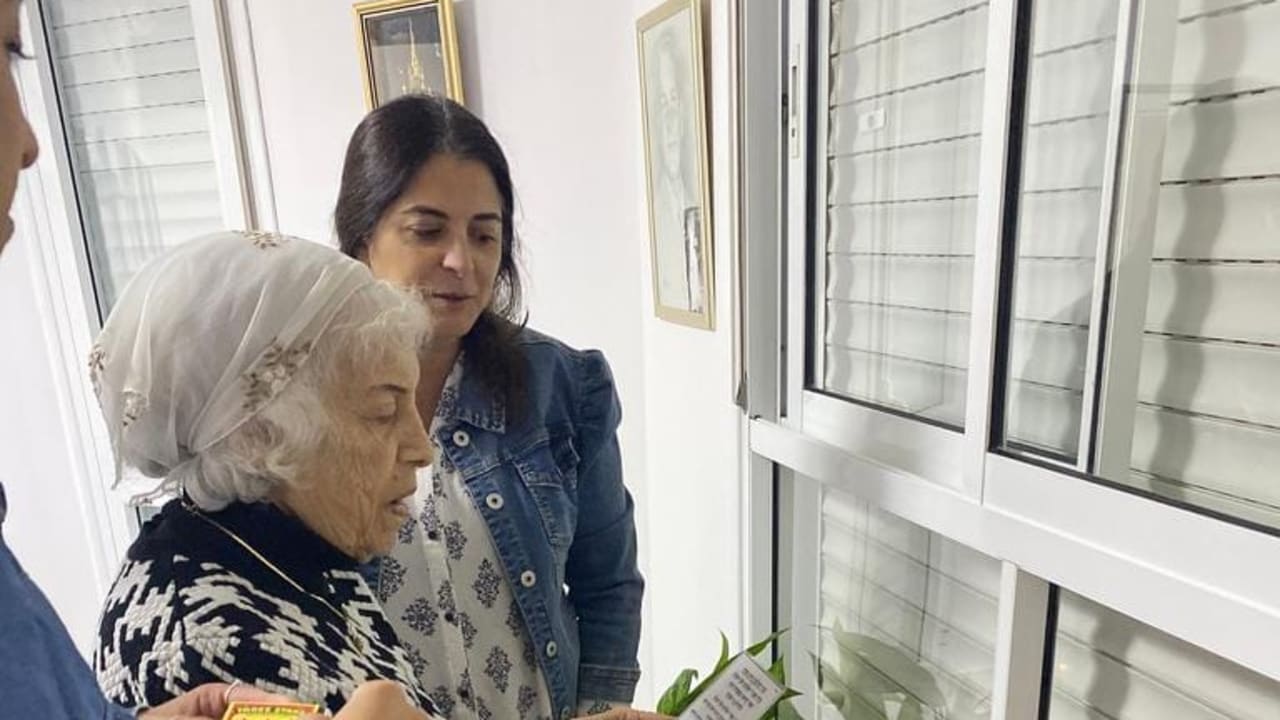
For an estimated 30,000 older Israeli adults, days can pass without a visitor, a telephone call, or a familiar voice. Their hearing is perfectly functional, but it’s something else entirely. It’s loneliness.
For thousands of Israelis, a trip to the supermarket or a brief conversation with a delivery person may represent their only interaction with another human being.
These individuals may be Holocaust survivors, widows and widowers, or immigrants whose family lives overseas, but they have one thing in common. They are living alone and have little contact with others. Their days pass in silence.They may have enough to eat, but they still feel a deep emptiness in their lives.
Colel Chabad is Israel’s oldest continuously operating charity. Founded in 1788 by Rabbi Shneur Zalman of Liadi, the Alter Rebbe, it operates food assistance programs that help thousands of vulnerable Israelis. Now, it is embracing another vital mission – combating the loneliness that afflicts thousands of Israeli citizens.
To address the dual problems of food insecurity and loneliness, Colel Chabad is launching a new initiative through an expanded National Food Security Initiative, operated by its Israeli arm, Eshel Chabad, in cooperation with the Welfare and Social Affairs Ministry, local municipalities, and philanthropic partners.
The program recognizes that caring for an older adult requires more than ensuring that they have enough to eat. It means ensuring that they remain connected to the society around them.
Participants will receive nutritional assistance tailored to their needs, including supermarket cards, food packages, or prepared meals. Each elderly participant will be matched, wherever possible, with a volunteer who will visit regularly, maintain telephone contact, and develop a meaningful personal relationship.
Depending on individual needs, visits will take place weekly, every two weeks, or monthly. The matching process will consider language, interests, availability, and personal compatibility.
The objective is not simply to provide another service. It is to create friendships. “It is about dignity, security, and ensuring that vulnerable people know they have not been forgotten,” says Rabbi Sholom Duchman, director of Colel Chabad.
The first phase of the program will reach 7,700 elderly Israelis across 75 municipalities, establishing a model that can ultimately expand to serve the broader population of approximately 30,000 older adults experiencing chronic loneliness.
Program volunteers will receive training and ongoing support, with local coordinators helping to maintain the relationships and identify additional needs. Participants will also remain connected to municipal social services. An accompanying academic evaluation will measure the initiative’s impact on nutritional security, loneliness, social connection, and quality of life.
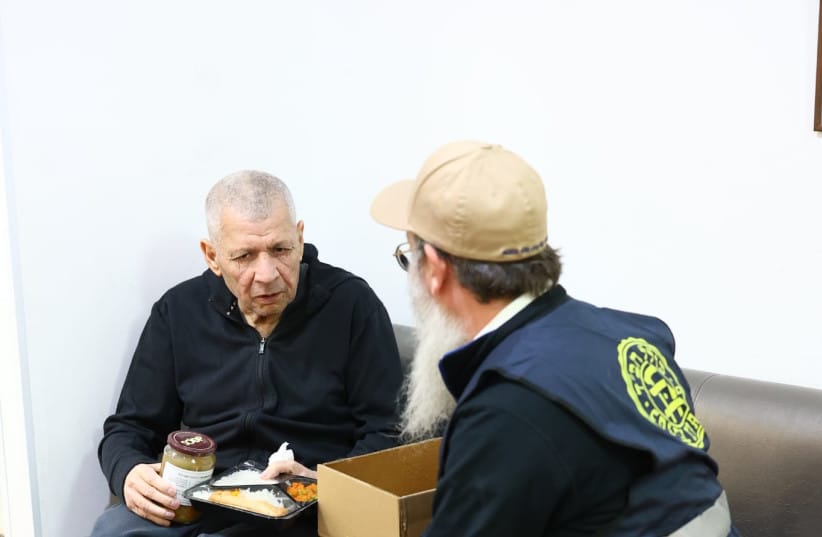
One of the initiative’s most promising elements is its potential to bring together people who might otherwise never meet. Young volunteers often imagine they are giving something to an older adult. In truth, both sides benefit.
An older person brings decades of wisdom, memories, professional experience, and perspective. A younger person brings curiosity, energy, and a connection to the world beyond the front door. The result can be something far richer than a volunteer visit. It can be a friendship.
In an age when so much human interaction takes place through screens, and when generations increasingly inhabit separate social worlds, these relationships offer something increasingly rare: genuine personal connection.
The ultimate measure of success may not be how many visits are recorded, but how many relationships continue long after the original volunteer commitment has ended.
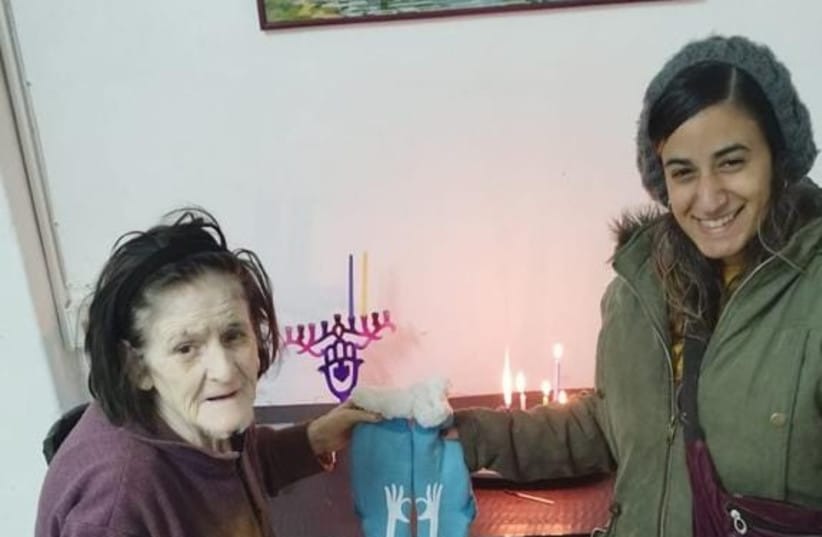
Colel Chabad is beginning the program with a soft launch this Hanukkah, inviting volunteers throughout Israel to visit older residents who might otherwise spend much of the holiday alone.
Individuals, couples, and entire families are encouraged to participate.
Volunteers will receive a specially prepared booklet containing stories, games, conversation ideas, and practical guidance, together with the materials needed for the visit.
The concept is simple: light Hanukkah candles together, share a conversation, bring a small gift, and spend some time. No specialized skills are required—just a willingness to listen and connect.
“This is something that anyone can do,” says Rabbi Duchman. “Reach out to a friend or a neighbor, an elderly friend, hop over and go and do Hanukkah together and keep an eye out and an ear out. That’s what community does.
The word ‘Colel’ literally means inclusion and community, and this is what Chabad does to make sure that people aren't lonely. Combating loneliness is central to our mission.”
The program's goals extend far beyond the eight days of Hanukkah.
The hope is that a single holiday visit will become a second visit, then a regular telephone call, and eventually a friendship that lasts for years.
Colel Chabad’s initiative represents a significant collaboration between government, municipalities, charitable organizations and private philanthropy.
Of the approximately NIS 51 million budgeted for the initial 18 months, nearly NIS 44 million is designated for direct nutritional assistance, with the remainder supporting the volunteer network, local coordinators and national infrastructure.
The project proposal has identified NIS 49 million in funding, leaving a gap of roughly NIS 2.46 million to complete the initial budget.
The campaign has also attracted the support of the Harvey and Gloria Kaylie Foundation, which has offered a $100,000 matching grant, challenging supporters to contribute an additional $100,000 in new donations by December 31, 2026.
The matching commitment offers an opportunity to turn generosity into sustained human connection, helping build the infrastructure needed to turn occasional visits into lasting relationships.
For Colel Chabad, the initiative reflects a natural evolution of its centuries-old mission. It is about dignity, security, and ensuring vulnerable people know they haven't been forgotten.
Now, that understanding is being extended to a different kind of hunger. The hunger for companionship. The hunger to be heard. The hunger to know that someone will notice if you are missing.
Sometimes, it begins with something as simple as a knock on the door. A young person sits down with an elderly neighbor. They share a story. They discover something in common. They agree to meet again. Food can sustain a life. Friendship can give that life new meaning. This Hanukkah, Colel Chabad hopes to provide both.
To participate in the Hanukkah volunteer initiative, click here or visit https://colel.cc/eoy26-jp