
In recent weeks, thousands of Israelis have begun seeking the weight-loss injection Mounjaro following the State's approval, Maariv reported this week.
Due to heavy demand, Israeli pharmacies reported localized shortages and storage difficulties, including a lack of refrigerated storage space, which is essential for drug commercialization. Health funds estimate that the Mounjaro Israeli wave marks the beginning of a shift in the obesity-treatment market.
Since the drug was approved under insurance plans, with a 50% discount, the public increased its search for family doctors, endocrinologists, and obesity clinics.
Mounjaro, developed by the American pharmaceutical company Eli Lilly, works through the novel molecule tirzepatide. After large-scale clinical trials, an average weight loss of up to 26% within a year among users.
Because the percentage of weight loss over a short period had, in some cases, exceeded that achieved by bariatric surgery, the drug was assigned the highest weight-reduction rating among all weight-loss injections.
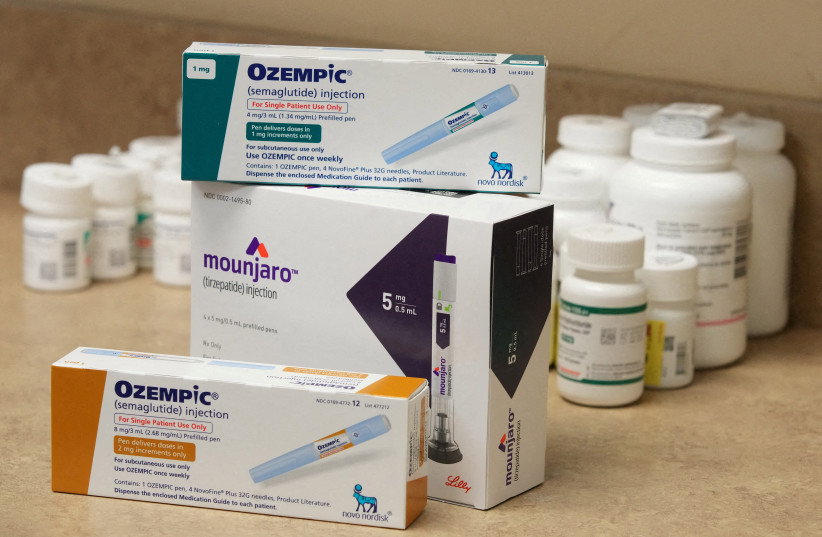
Among additional advantages, it was registered to improve blood-sugar control and reduce health risks associated with obesity.
Despite effectiveness, Mounjaro presents negative points
According to estimates from professional sources within Israeli health funds, such as Clalit, Maccabi, Leumi, and Meuhedet, one of Mounjaro's central short-term goals is to reduce use of the weight-loss injection Saxenda (liraglutide), produced by Novo Nordisk, which is considered less effective and requires daily administration.
Despite proven effectiveness, the main drawback of Mounjaro is its price. Even after a supplemental insurance discount, the drug remains more expensive than other weight-loss injections.
In August, the popular weight-loss drug Wegovy was shown to significantly reduce the risk of severe cardiovascular diseases in people with obesity and excess weight, according to a study presented at the European Cardiology Conference in Madrid.
The study found that the risk of heart attack, stroke, or death in patients who received the drug dropped by 57% compared to those treated with the equivalent drug, Mounjaro.
Due to the recent surge in Mounjaro use, comparisons of weight-loss injections with respect to health risks are inevitable.