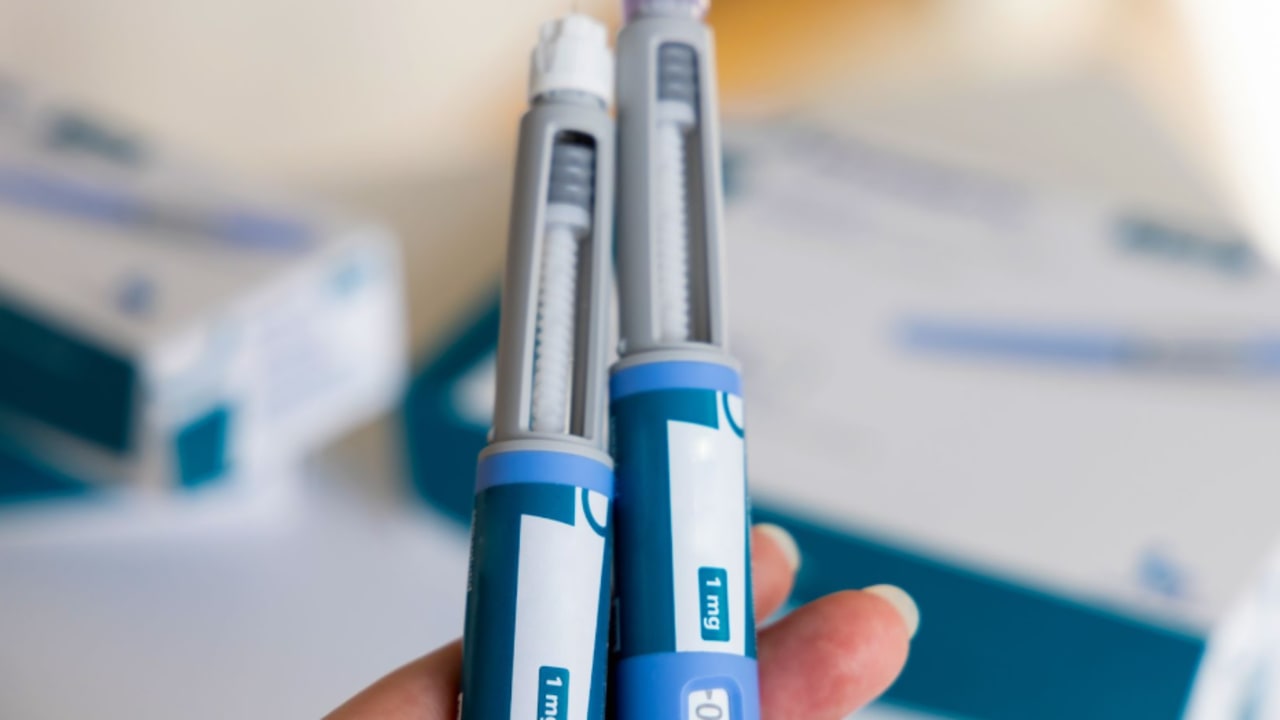
Women who stop treatment with weight-loss injections before entering pregnancy or at its onset experience more complications during pregnancy, according to a new study published in the medical journal JAMA. Researchers found a significant increase in weight, gestational diabetes, and a higher rate of premature births among women who stopped the medication compared to women with similar characteristics who had not been treated with it previously.
Many women using weight-loss medications from the GLP-1 family are required to stop treatment when planning pregnancy or immediately upon discovering it, due to findings in animals that raised concerns about fetal harm. However, a study that included nearly 150,000 pregnancies found that stopping the medications creates a particularly sensitive period. In a large portion of the pregnancies examined, it turned out that the closer the treatment was stopped to the start of pregnancy, the greater the likelihood of rapid weight gain and complications.
The researchers identified in 448 pregnancies of women previously treated with GLP-1 weight-loss injections a particularly high rate of excessive weight gain.
Sixty-five percent of them gained more than the recommended weight during pregnancy compared to only 49% among a group of women with similar medical characteristics who did not receive prescriptions for the medications. This is a significant gap indicating recurring obesity mechanisms, primarily increased hunger and appetite changes that occur after stopping treatment.
With the rapid weight gain, rates of gestational diabetes also increased among women who stopped treatment. This condition can affect the mother's health later in life due to the risk of developing type 2 diabetes. Meanwhile, a trend of premature births at a higher rate was recorded among women who stopped the medication, a phenomenon that increases the likelihood of complications in the newborn due to immaturity of vital systems.

The researchers noted that the combination of stopping treatment and a lack of clear professional guidelines creates a therapeutic vacuum. Many women who achieved good weight balance through their medication use find themselves without an organized follow-up plan for the period beyond stopping treatment, a period when appetite increases rapidly, and weight changes occur in a short time.
Weight loss before pregnancy is beneficial for health, researchers and obesity experts say
Despite the risks after stopping the medication, researchers and obesity experts emphasize that weight loss before entering pregnancy is beneficial for the health of both mother and fetus. Weight loss reduces the likelihood of gestational diabetes and high blood pressure and decreases the risk of significant pregnancy complications. The gap between the benefits of weight loss before pregnancy and the risks of abrupt cessation of treatment highlights the need for better guidance.
The experts add that the pre-pregnancy weight loss creates a good health starting point, but after stopping the medication, support mechanisms are needed to maintain balance. This support includes close nutritional guidance, frequent medical supervision, and behavioral counseling to cope with increased hunger and changes in eating habits.
The study relies on medical prescription data and does not prove that women actually took the medication continuously.
Meanwhile, the researchers assessed their condition based on their weight after the loss caused by treatment and not based on their original weight before starting treatment. These limitations point to the need for additional research that will more accurately examine the effect on pregnancy and describe the physiological changes occurring after stopping treatment.
"It's still not clear whether the phenomenon is related to the drug itself or to the fact that the injections suppress appetite," Professor Tal Biron, Chairwoman and Director of the Obstetrics and Gynecology Division at Meir Medical Center in Kfar Saba, explained to Maariv.
"The moment it disappears, they return to eating and gain weight rapidly, like after a diet with temporary adherence without lifestyle changes. There are quite a few studies in the literature showing that pregnancy complications related to obesity are related not only to the starting weight of pregnancy but also to the rate of weight gain throughout the entire pregnancy.
Weight-loss injections must be accompanied by nutritional counseling and activity focused on lifestyle changes. Without this change, no treatment will be effective long-term, and the rebound of rapid gain immediately after an extreme diet or stopping injections creates medical damage to all body systems and, of course, also increases pregnancy complications."