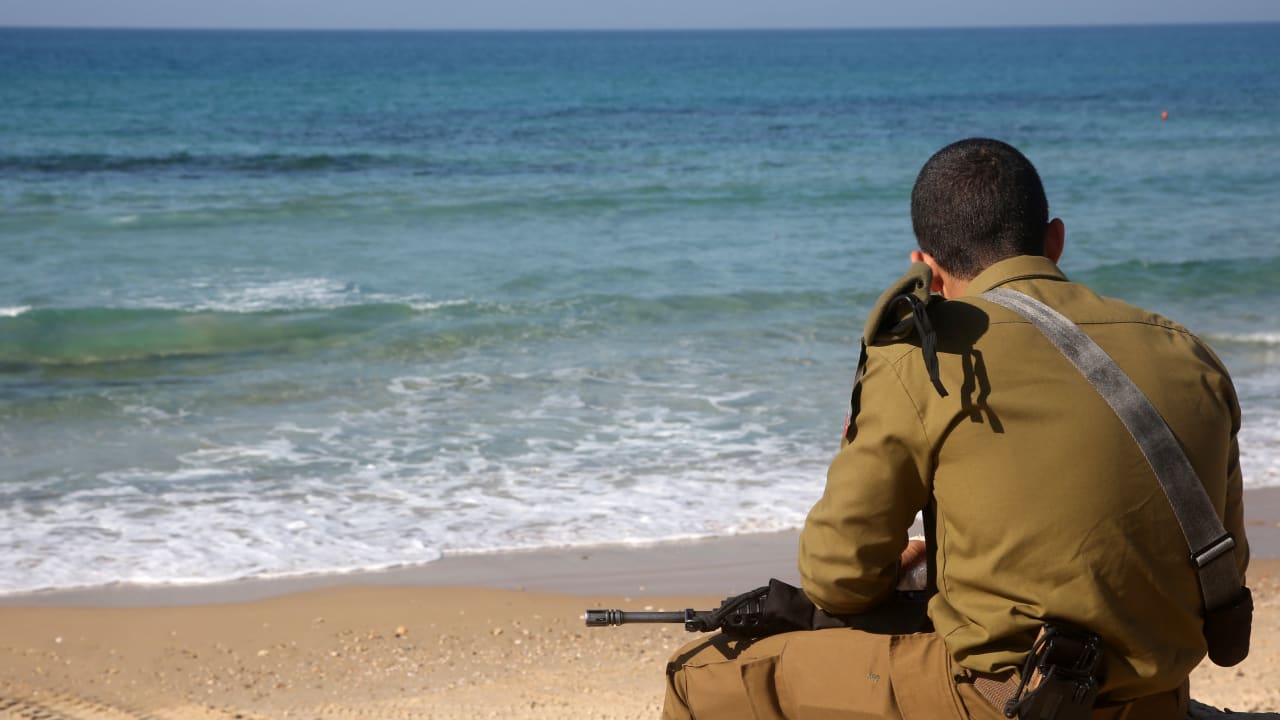
Lone soldiers must have “a more rigorous and proactive support framework,” MK Gilad Kariv (The Democrats) said during a lengthy discussion on the topic of mental health at the Knesset’s Immigration, Absorption, and Diaspora Affairs Committee on Wednesday.
Those who attended the panel included representatives from the Defense and the Aliyah and Integration Ministries. The committee also listened to testimonies from lone soldiers.
This meeting comes amid a mass spike in soldiers and reservists needing treatment for traumatic stress disorders as the Israel-Hamas War rages on. It was also a follow-up to a previous committee discussion on the matter.
Kariv told those in attendance that lone soldiers, specifically, required a more thorough and proactive support system.
“They must receive a different level of care and attention,” he said.
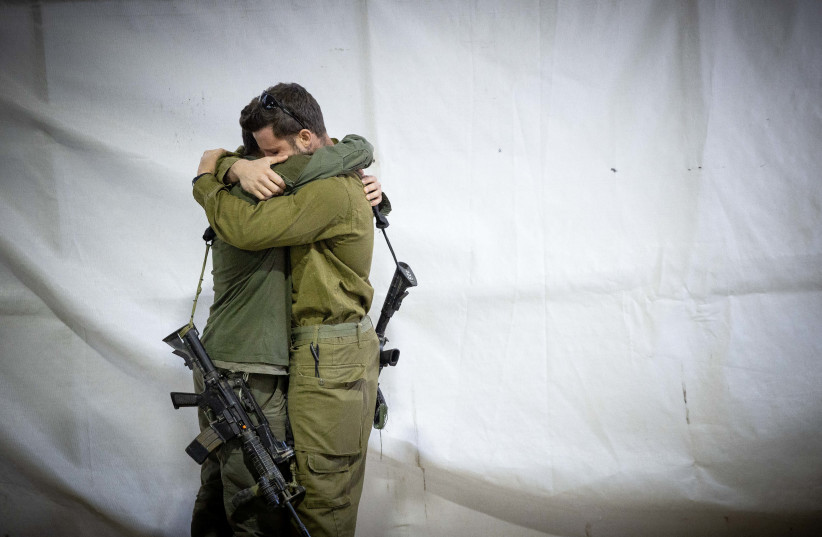
Figures presented by the military representatives at the meeting showed that the IDF currently has approximately 7,205 lone soldiers in regular service and an additional 8,551 reservists classified as lone soldiers.
Testimonies from the lone soldiers serving in the reserves depicted some of the challenges that they face, such as housing and financial issues, as well as struggles with mental health.
Kariv brought up the topic of payment vouchers for lone soldiers, saying that those serving in the country have additional daily expenses and that they should be paid appropriately for these expenditures.
Mental health initiatives for soldiers
Amid Kariv’s call for more support to be provided to lone soldiers, representatives at the committee described the various initiatives that currently exist for the soldiers to receive treatment and aid.
“In 2023, a mental health support hotline for immigrants was launched in cooperation with ERAN [Israel’s emotional first aid hotline], and six months ago, we initiated outreach calls to 6,900 lone olim, leading to 25 reservist lone soldiers to receive care,” Eyal Katz from the Aliyah and Integration Ministry told the committee.
Regarding funding for the lone soldiers, a representative from the IDF said, “We sent information to all reservists about their eligibility to receive reimbursement of up to 80% for psychological care.”
“Unfortunately, take-up has been low,” he added.
A repeated topic that came up in the discussion was the issue that, despite the various outlets for the lone soldiers to turn to, not many reach out to them.
Kariv said that the reasons for this needed to be investigated ahead of the committee’s next meeting, as this topic will be on the agenda.
Separately, the IDF representative said that the government decided to fund up to 80% of the therapy treatments, capped at NIS 240 per session.
Another Defense Ministry representative mentioned the Amit program that she said exists to help reservists return to civilian life after their military service. She encouraged all reservists to download the corresponding app and use it to see what assistance they are entitled to.
Kariv requested that the Defense Ministry provide additional recovery days for lone reservists to assist them in reintegrating into civilian life.
He also said that he wanted to see lone reservists be allowed to return to IDF recreational facilities on weekends to avoid them being left alone in their apartments.
Kariv asked that lone soldiers be prioritized in treatment tracks as well. Further, he said that they should be made aware of the relevant information regarding the help they are entitled to. Additionally, he asked that the Defense Ministry and the IDF hold regular joint meetings with organizations that work to support lone soldiers.
A follow-up Knesset Immigration, Absorption, and Diaspora Affairs Committee hearing on the issue is expected to take place in September during the Jewish holidays, which Kariv said is an especially challenging time for olim who do not have family in Israel.