
The US Department of Health and Human Services announced in July that there would be major reforms in the organ transplant system following an investigation that revealed a ‘disregard for the sanctity of life’ that saw donor organs harvested from people still showing signs of life.
“Our findings show that hospitals allowed the organ procurement process to begin when patients showed signs of life, and this is horrifying,” Secretary Kennedy said. “The organ procurement organizations that coordinate access to transplants will be held accountable. The entire system must be fixed to ensure that every potential donor’s life is treated with the sanctity it deserves.”
The Health Resources and Services Administration pointed to a case, closed by the Biden administration without action, in which harm was allegedly carried out against a neurologically injured patient.
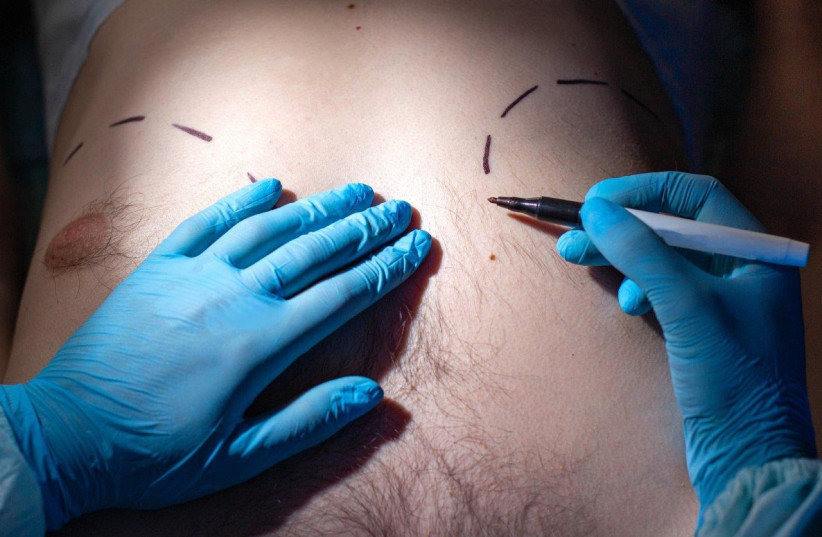
International media referenced the case as the attempted harvesting of organs from TJ Hoover in Kentucky. After suffering an overdose in 2021, doctors are alleged to have harvested his organs while he continued to show signs of life.
According to ABC News, Hoover's sister claimed that he was able to open his eyes and track movement during his honor walk. "Almost immediately, as soon as his honor walk started, his eyes were opened, and they were tracking, looking around at the people that were there," Donna Rhorer said.
Doctors later informed the family that they had stopped the procedure after Hoover began displaying signs of life during the operation.
Natasha Miller, a surgical preservationist on TJ's case for Kentucky Organ Donor Affiliates (KODA), confirmed, "He was moving a lot, just thrashing, not settled."
Miller alleged that doctors performing the procedures did not want to continue with the organ harvesting, citing signs of life, but KODA insisted on continuing the operation.
While Hoover survived the ordeal, his sister said that he continues to struggle with PTSD as a result of the trauma.
How many cases of organ harvesting were inappropriately authorized?
Across 351 cases where organ donation was authorized but not completed, 103 cases were found to have authorized organ harvesting from patients with neurological signs incompatible with organ donation. In at least 28 cases, the patients may not have been dead when their organs were harvested.
The department stressed that the evidence collected during the review pointed to poor neurological assessments, lack of coordination with medical teams, questionable consent practices, and misclassification of causes of death, particularly in overdose cases.
Smaller hospitals in more rural regions are understood to be more likely to engage in malpractice.