Over 50,000 killed in Europe over summer due to worst heat wave on record
The analysis found that fossil fuel pollution-driven climate change accounts for about two-thirds of modern heat-related deaths, compared with around 40% earlier this century.

The analysis found that fossil fuel pollution-driven climate change accounts for about two-thirds of modern heat-related deaths, compared with around 40% earlier this century.


The INPA requested assistance locating the dolphin due to concern that it may be injured and in need of assistance.

The Israel Nature and Parks Authority released five rehabilitated turtles on Friday as tens of thousands visited nature sites during the Rosh Hashanah holiday.

El Niño typically peaks around December, but Israelis could see more rain and flooding in early autumn because of the strength of this year's weather event.
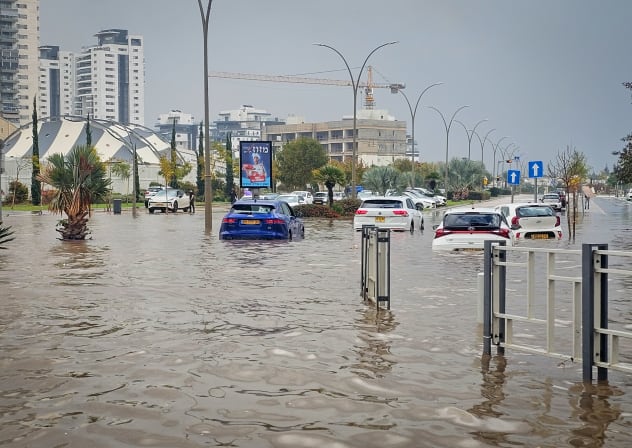
With desalination plants sidelined, the Sea of Galilee was once again forced to supply the national water network.

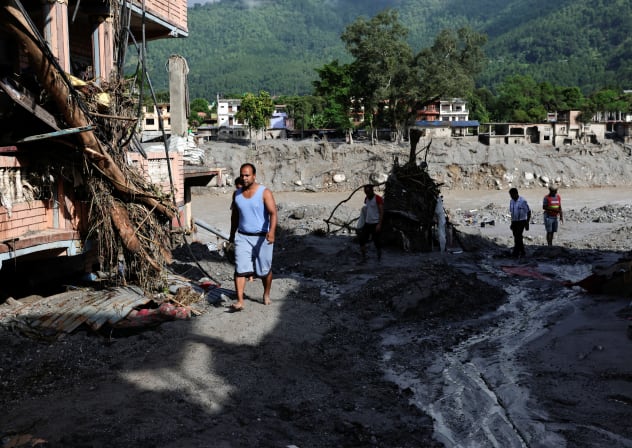
At least 639 people remain stuck in several devastated hydropower stations that have become the focus of rescue efforts, the country's disaster management authority said on Tuesday.

Chief US District Judge Brenda Sannes in Syracuse, New York sided with 22 Republican state attorneys general, as well as industry groups including the US Chamber of Commerce.

Officials said that the highest number of missing foreigners was from Nepal at 104, while 49 Indian, 33 Latvian, 18 American, and 15 British citizens were also unaccounted for.

According to the Cyprus Meteorological Department, the weather had reached almost all of Cyprus, and waterspouts were already recorded at sea off Larnaca, raising concerns over possible tornadoes.

Nepalese authorities are relying on satellite imagery to track flood conditions, with additional plans to install cameras and sensors.

Notably, Nepal's foreign ministry said it does not need foreign assistance for search-and-rescue operations following the devastating flash flood that swept through several towns.