
Sirens in Tel Aviv and Jerusalem once signaled a rocket from Gaza; today they more often herald an Iranian missile.
The Israel-Hamas War is now overlaid by an openly declared Israel-Iran confrontation, creating what many Israelis feel is a new war inside the preexisting one – a second, long-range enemy suddenly at our doorstep.
Overnight barrages have already cost Israeli lives and exposed gaps in the thousand-kilometer-long home-front shield.
That layered threat is draining civilian energy in ways the original war did not. When the foe is distant, faceless, and seemingly omnipresent, our understanding blurs, fatigue deepens, and the line between vigilance and exhaustion erodes.
Home-front cohesion buckles as families argue over whether to leave the center for the North or South that have suddenly become safe, and public discourse resounds with the question, “Can we fight two wars at once – and still stay ourselves?”
Nowhere is the strain clearer than on NATAL’s trauma helplines. In the last 24 hours alone, they logged more than 500 calls – twice last week’s peak. Sixty calls came in during one sleepless night.
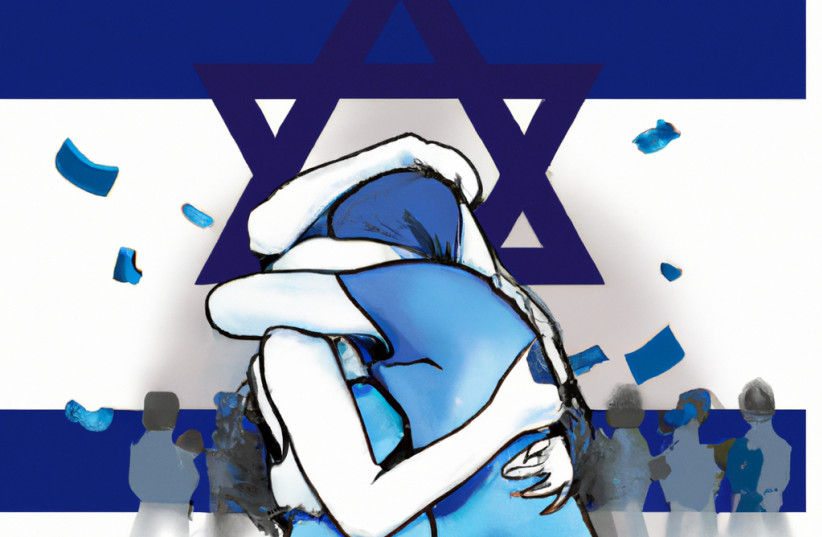
Anxiety about shelters, re-triggered PTSD, panic at sirens, and the grief of bereaved Druze, Bedouin, and Jewish families now collide in a single switchboard queue. Yet every call is also a testament to courage: people are choosing to speak their fear instead of swallowing it.
How can we navigate the challenging days, weeks, or even months ahead?
The ground is shifting again, and it is cracking the entire emotional, occupational, and economic foundation we built after October 7. This is a blow upon a blow. Trauma upon trauma.
It is an assault on meaning: What is a state of emergency? What is resilience? In the face of this ongoing collective trauma, a new model of organization must be built – and that is what NATAL is doing with those who reach out to it and with the wider public.
How to cope during challenging times
A good place to start is by naming the challenges and the feelings they stir. It’s important to help children – and us – understand that the rockets from Iran don’t erase the ongoing war in Gaza; rather, they expand its scope.
Recognizing both conflicts helps bring a sense of order and clarity amid the uncertainty.
Maintaining daily routines can offer a vital refuge in turbulent times. Keeping schoolwork, household chores, and even Friday-night dinners consistent whenever alarms are silent creates comforting rituals that help anchor the nervous system and provide stability.
When alerts sound, pause before explaining what’s happening. Guiding children through a slow, deep breath in and out before sharing information can ease their anxiety and help them better process the situation.
At the same time, it’s wise to manage media exposure carefully. Limiting news consumption to brief, scheduled times – say, two 15-minute sessions per day – can prevent overwhelming feelings and reduce the temptation to fall into endless doom-scrolling.
Turning preparation into action can also be empowering. Taking time together to pack a safe-room kit and calmly rehearse the quick dash to shelter transforms fear into muscle memory, helping to build confidence and a sense of control.
Above all, don’t hesitate to seek help early. NATAL’s Helpline (*3362) is available 24/7, along with the Health Ministry’s support lines and municipal psychologists. Reaching out for support is a powerful act of resilience, not a sign of weakness.
Finally, policymakers must recognize that mental health capacity is national security infrastructure: National Resilience.
Extra budgets for Helpline counselors, mobile trauma teams, and in-school therapists are as essential as interceptor missiles.
A nation fighting on two fronts cannot afford to neglect the silent battlefield of our mental health – because victory there will decide how, and who, we are when the rockets stop.
The writer is director of NATAL’s Research and Evaluation Unit.