State Comptroller Matanyahu Englman on Tuesday published a detailed audit of campaign financing in local elections in February 2024, finding widespread irregularities, inflated expenses, and structural imbalances that, he warned, undermine fairness and public trust in the electoral system.
Under Israeli law, most candidates and parties running in local elections are entitled to public funding from the state, subject to strict limits on how much they may spend, where the money comes from, and what it may be used for. After the elections, campaigns must submit detailed financial reports, which are audited by the state comptroller. Only campaigns that comply with the rules are entitled to receive the full amount of state funding.
The report examines the financial conduct of parties and candidates who ran in local authorities and regional councils, following elections that were repeatedly postponed due to the October 7 Hamas attack and the ensuing war. Originally scheduled for October 2023, the elections were ultimately held on February 27, 2024, with runoff elections on March 10, after months of uncertainty, evacuations, and emergency legislation.
According to the comptroller, the audit reviewed the accounts of 1,379 local lists and 102 candidates. Of those, 646 lists and 41 candidates received non-positive audit reports – a determination that can result in the loss of public funding – leading to the denial of outstanding state campaign funding totaling approximately NIS 3.7 million.
The report further found that 515 lists and 30 candidates ended the election period with cumulative deficits of around NIS 37.2 million, including 69 lists whose deficits exceeded NIS 100,000. In practical terms, these deficits mean campaigns spent more than they were allowed to raise or receive, and in some cases, the comptroller noted, sanctions imposed for financial irregularities only deepened existing financial shortfalls rather than correcting the underlying conduct.

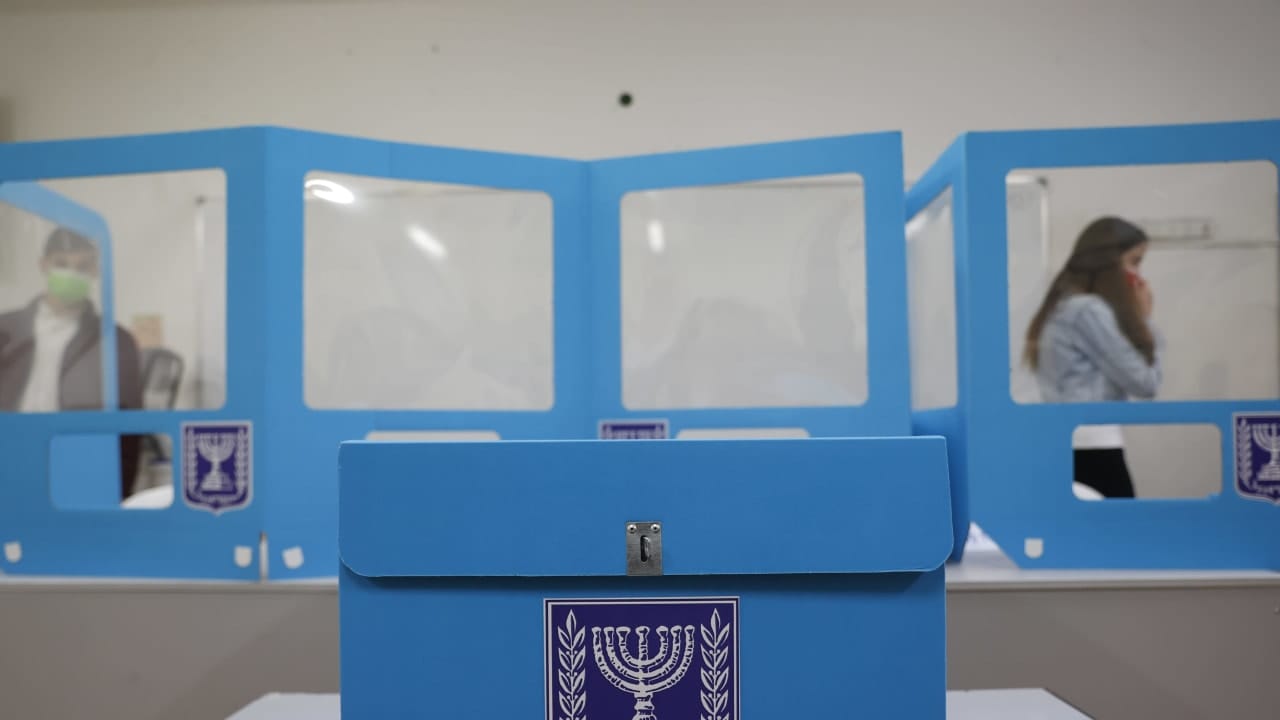
Comptroller report finds irregularities in Israeli election funds
Englman also examined the conduct of 15 Knesset factions that ran “parent lists” in the local elections – national parties that support or sponsor affiliated local slates. Among them, the Likud received a non-positive audit, leading to the denial of NIS 180,000 in state funding. Overall, the report points to a sharp rise in public financing compared to the previous local elections in 2018, with state funding for local lists increasing by approximately NIS 125 million (52%), and funding allocated to Knesset factions rising by around NIS 56 million (34%).
A central concern raised in the report relates to the use of inflated, unreasonable, or election-unrelated expenses, which the comptroller said appeared designed, in some cases, to avoid repaying surplus public funds to the state. Examples cited include apartment renovations used as campaign headquarters, the purchase of computers and mobile phones close to or even after election day, unusually high fuel and travel expenses amounting to thousands of kilometers, and food and hospitality costs that exceeded 50% of total campaign spending. One list even reported expenses for gifts and children’s events.
Where appropriate, such expenses were disqualified and, in some cases, resulted in financial sanctions.
THE REPORT also addresses problematic employment practices, including cases in which lists paid salaries to candidates who were themselves running in the elections. Englman wrote that, going forward, candidates may not be employed for pay by the lists on whose behalf they are running, whether for mayoral or council positions.
In addition, auditors identified instances in which campaign workers and service providers were close family members or otherwise closely affiliated with candidates or lists. While not all such cases resulted in sanctions, the comptroller warned against extensive reliance on family employment and determined that Knesset parties may no longer employ relatives of party officials or candidates in either local or national election campaigns.
The report further notes cases in which incumbent mayors were found by election committees to have made improper use of municipal resources for campaign purposes, in violation of election propaganda laws. While most lists later reimbursed the municipalities, Englman warned that future violations could result in non-positive audit determinations.
The audit also scrutinized the advance payments made to Knesset factions ahead of the elections. Fifteen factions received advance funding totaling NIS 293 million, but following the election results, 12 factions were found to have received excess advances and must return approximately NIS 60 million. As of December 2025, six factions were still repaying those sums under installment arrangements. Englman criticized the practice, warning that repayment plans effectively function as indirect interim financing, and called on lawmakers to reconsider the advance-funding mechanism.
Beyond individual violations, the comptroller identified structural inequalities embedded in the law, noting that parent factions and their affiliated lists enjoy a significant advantage over independent local lists. Under current rules, Knesset factions are not required to return surplus state funding even when it exceeds their actual local-election expenses, allowing the funds to be used for other purposes. Englman warned that this arrangement harms electoral equality at the local level.
“The findings show that some candidates and lists did not conduct themselves as required with public funds allocated to them for election financing,” Englman said. “Those entrusted with public money must act with loyalty to the public, use state funding solely for its intended purpose, and exercise restraint, judgment, and public responsibility.”
The comptroller recommended that lawmakers consider alternative mechanisms for addressing campaign deficits, arguing that financial sanctions alone often exacerbate financial instability rather than correcting misconduct.
The report does not cover elections held later in evacuated northern and southern communities, where voting was postponed to late 2024 and early 2025. Audits for those races, the comptroller said, will be published separately.