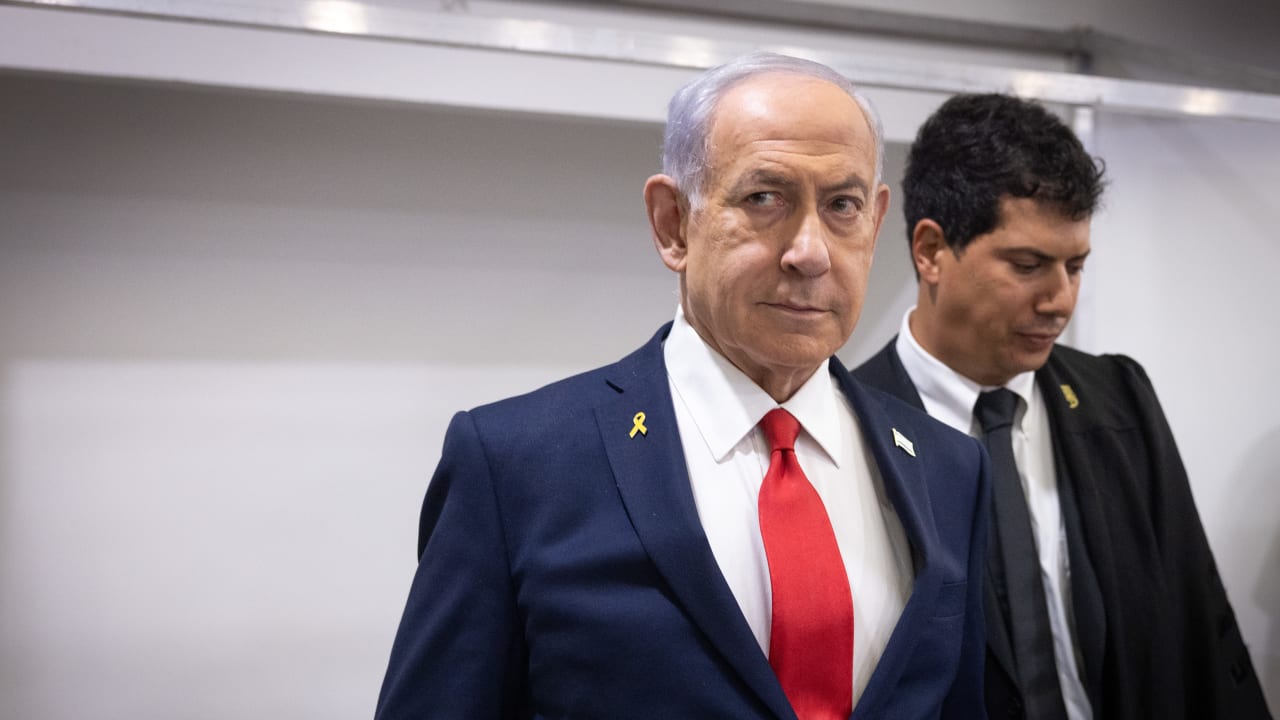
The hearing in the corruption trial of Prime Minister Benjamin Netanyahu opened on Tuesday at the Tel Aviv District Court, marking another phase in the ongoing cross-examination in Case 4000 - the Bezeq-Walla affair, widely regarded as the most serious of the three criminal cases against the premier.
Prosecutors resumed questioning Netanyahu on the 71st day of testimony, this time focusing intensively on campaign messaging and communications allegedly tied to the prime minister’s political directives - a line of inquiry that has dominated recent days of the trial.
Netanyahu stands charged with bribery, fraud, and breach of trust, charges he has repeatedly denied. He has cast the entire trial as politically motivated and has challenged the prosecution’s characterisation of everyday political communications as criminal conduct.
On Tuesday, prosecutor Yehudit Tirosh presented the court with a series of messages and correspondence involving Ze’ev Rubinstein, a businessman and longtime associate of the Netanyahu and Elovitch families, whom prosecutors say acted as an informal intermediary in relaying media-related requests into the Walla/Bezeq network.
In challenging Netanyahu’s denials, the state introduced messaging that defence counsel say were political campaign documents from the 2013 election cycle - including material linking then-Opposition leader Naftali Bennett to support for political rivals Tzipi Livni and Shelly Yachimovich.
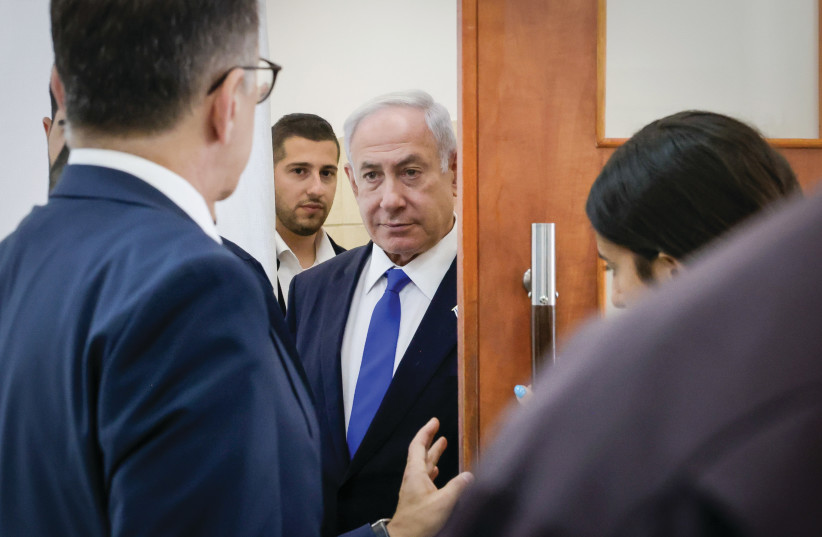
The defense’s position is that these materials do not reflect Netanyahu’s campaign strategy at the time and therefore cannot demonstrate coordinated requests from him.
Netanyahu says campaign messaging did not come from him
Netanyahu, defending his testimony, told the bench that campaign messaging evolves over time and that the examples presented by the prosecution did not originate with him nor match his campaign’s political strategy.
He sought to distance himself from Rubinstein’s communications, asserting that Rubinstein was not acting on his behalf and was unconnected to official campaign message development.
“You brought this? This is a fly!” Netanyahu exclaimed in court, disputing the relevance and authenticity of one document shown to him. The prime minister reiterated that his campaigns relied on a range of volunteers and close associates who communicated informally, and that he did not instruct or direct Rubinstein or others to craft political messaging.
Tirosh pressed Netanyahu on the prosecution’s theory that such messaging evidence, if genuine and coordinated, would demonstrate unusual responsiveness - the legal term prosecutors use to define the alleged quid pro quo in Case 4000.
In their view, accepting and acting upon such messaging demonstrates coordinated efforts to influence media coverage in exchange for regulatory benefits granted to Bezeq and its controlling shareholder.
The prosecution also cited testimony from prior state witnesses suggesting that some requests relayed through intermediaries were consistent with the Likud’s campaign goals, even if Netanyahu initially denied direct involvement.
At points during the hearing, Tirosh noted that alignment between alleged requests and political strategy undercuts the defense’s claim that they were disconnected from Netanyahu’s intentions.
In one exchange, she referenced earlier testimony that although Rubinstein may have presented certain messaging independently, the content closely matched the broader campaign line the Likud adopted - a juxtaposition the prosecution said undermines the defence’s version of events.
Netanyahu also faced prosecution questioning on his family’s involvement, including references to his wife Sara’s alleged engagement with aides on media matters - a line of inquiry that Netanyahu disputes, describing such contacts as informal and not part of structured campaign communications.