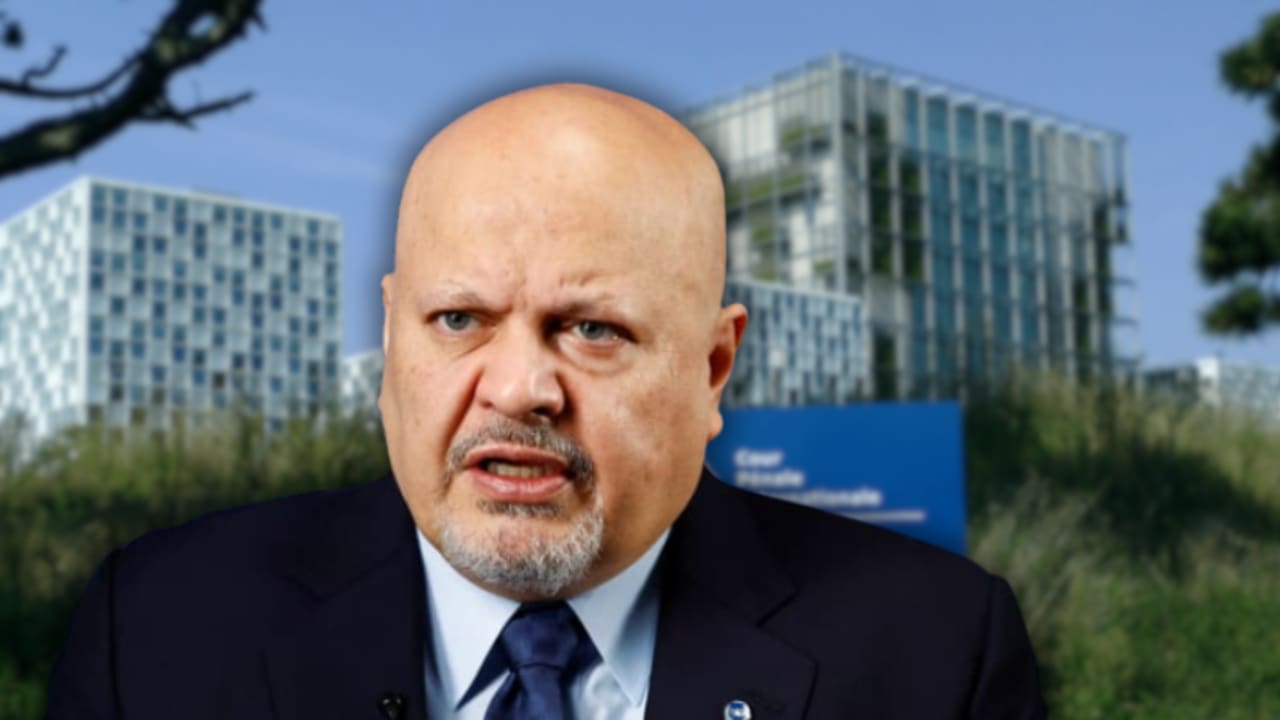
A second woman has come forward with allegations of sexual misconduct against International Criminal Court Chief Prosecutor Karim Khan, intensifying scrutiny of his conduct during a critical period for the court, according to a report by The Guardian on Thursday.
The woman, who in 2009 was an unpaid intern in her 20s, alleged that Khan made repeated unwanted sexual advances, including groping and coercive behaviour masked as professional mentorship. She described the experience as a “constant onslaught,” saying the overtures were inappropriate given his role as her superior.
Khan has again denied the allegations, stating he has “never engaged in misconduct of any kind.” He has temporarily stepped aside from his post while the matter is under review by a United Nations watchdog body.
The first misconduct allegation against Khan was made earlier this year by a court staffer in her 30s. She accused Khan of pressuring her over a prolonged period while she worked directly under him between 2023 and 2024. Following that complaint, Khan took a leave of absence, and the ICC’s governing assembly appointed his deputies to lead the office during the investigation.
Khan’s tenure has also drawn significant political attention. In November 2024, the court issued arrest warrants for Prime Minister Benjamin Netanyahu and then-Defense Minister Yoav Gallant over alleged war crimes and crimes against humanity committed during the Gaza conflict. The announcement sparked outrage across Israel’s political spectrum and provoked harsh criticism from the United States. Legal scholars noted, however, that signatories to the Rome Statute would be obliged to enforce the warrants.

In the months that followed, Khan was reportedly advised against pursuing further warrants targeting Israeli officials. Nonetheless, by May 2025, he sought additional warrants for far-right ministers Itamar Ben-Gvir and Bezalel Smotrich in connection with settlement policy. The move was seen by many observers as an escalation, raising concerns about retaliatory measures by the United States.
The developments took place amid mounting external pressure. Investigations have alleged that Israel carried out covert efforts to discredit the ICC, including intelligence operations aimed at both Khan and his predecessor, Fatou Bensouda. A panel of legal experts, including Amal Clooney, publicly supported Khan’s decision to pursue the cases, even as other reports indicated Mossad operatives attempted to surveil and intimidate court personnel.
ICC sources claim reports of external pressure don't harm validity of complaint
Supporters of Khan contend that the misconduct allegations are surfacing now in part because of these pressures. His legal team claims evidence submitted to investigators undermines the complaints. At the same time, internal ICC sources have cautioned that despite potential exploitation of the case by outside actors, there is no indication that either woman fabricated her account.
The UN probe is ongoing, and its findings are expected to be assessed by legal experts who may recommend additional steps. Should Khan be found to have committed serious misconduct, ICC member states could be asked to vote on removing him from office, an unprecedented action at the permanent war crimes tribunal.
Earlier this year, The Jerusalem Post reported that Khan had expedited the filing of warrants against Israeli leaders in an attempt to influence Western opposition to Netanyahu’s war policy in Gaza. Diplomatic sources said Khan believed the timing would increase international pressure on Israel. The decision, the report noted, came shortly after the initial misconduct allegation surfaced, prompting speculation that the announcement may have served to distract from Khan’s own legal troubles.