We live in a very achievement-driven world. We are expected to progress at work, manage a flourishing family, sometimes study something, stay in shape, and make time for friends and a relationship. And that’s just the basic package.
When someone chooses to let go of one of these items, it usually comes with a little judgment from those around (“Oh, you don’t exercise? That’s a shame, it’s important at your age,” or “What, you’re still in the same job? Funny!”). And it almost always comes with a lot of guilt. Because the expectation for achievement is mainly from ourselves, to ourselves.
It’s hard, right? Exhausting? So why are we directing our children to be exactly the same?
The extracurricular race
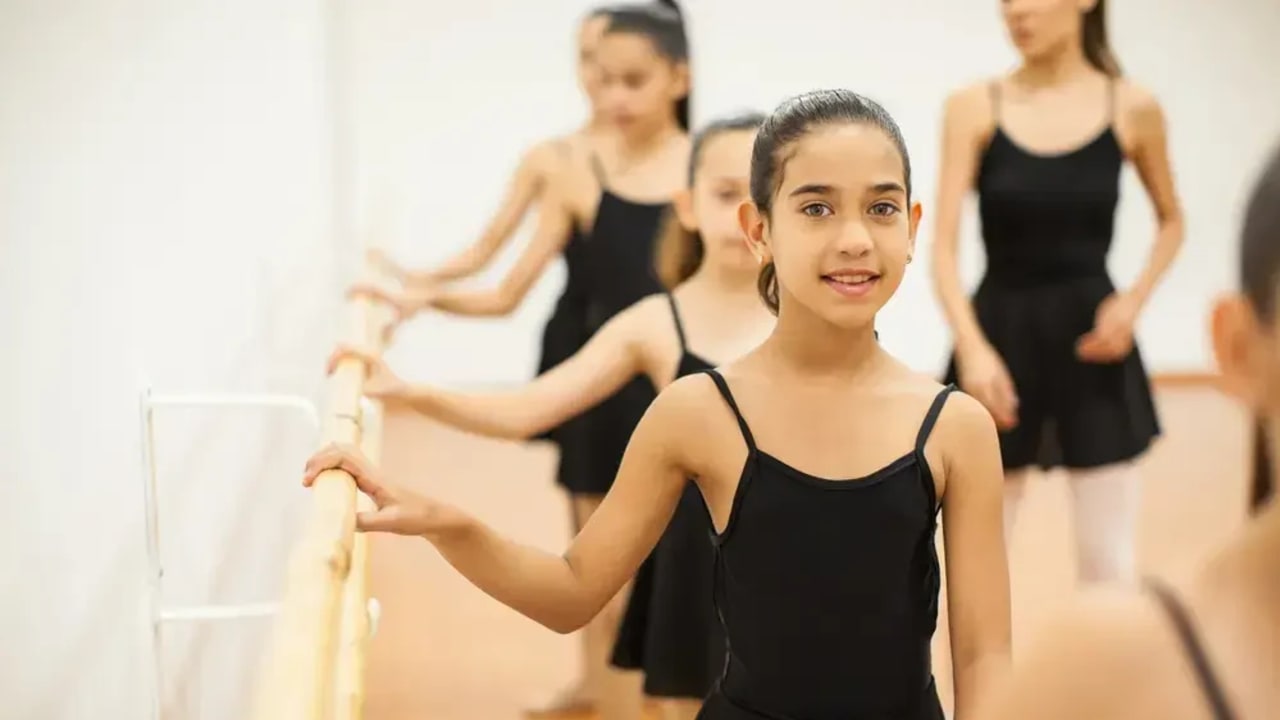
The children of 2025 spend many hours at school or kindergarten, and then usually also in after-school programs. And when the afternoon comes – we fill their time with activities: Ppiano, English, programming, robotics, soccer, dance. Five days a week of more and more enrichment. They don’t have a dull moment.
Do our children really need all this after so many hours in a framework with lots of kids? Probably not. A 7-year-old can do just fine in life even without English and programming, their world is rich enough. But, as mentioned, we live in an achievement-oriented world. We see in the kindergarten or class WhatsApp group all the parents asking for recommendations for activities – and it seems to us like the right step, the thing you’re “supposed to do.” So we do it too.

In many cases, our reason for signing up for another enrichment activity is that we don’t want to be the parents who miss the train. The fear that all the other children will be “ready for life” and only ours won’t – is too hard, it fills us with guilt. After all, we want the best for our children. So we sign them up for another class. And just like that, the week is gone.
Sometimes we register our children for more and more classes simply because we think that if we don’t – they will sit in front of screens for hours. This fear is understandable, and indeed sometimes it is easier to fill the schedule with activities than to set boundaries or deal with the frustration of “no.” But extracurriculars, as wonderful as they may be, cannot replace our parental authority.
The intentions are good, the desire is clear – but in practice, this race exacts a daily price, at home and in our hearts.
In this reality, instead of a calm afternoon at home, we find ourselves in struggles: Convincing the child to leave the house, keeping them in an activity they don’t like, arguing about a private Zoom lesson. The child may be learning, but the bond between us weakens. We become project managers instead of parents, and we lose the simple experience of being with our children.
We, the parents, pay a significant price for this race. It starts with the high costs of activities and private lessons, continues with endless logistics (who drives, who picks up, who waits outside), and ends with a sense of exhaustion. Sometimes it feels like we are more drivers and calendar managers than parents. And this creates frustration and fatigue that also seep into the home.
And the heaviest price is the family price. Such a busy routine of extracurriculars leaves almost no moments at home. The children return from their activities straight to dinner, showers, and bed. At most, half an hour of screen time in between. And that’s a shame, because home moments are very important. This time, when nothing special happens, is when the real education happens.
When children are rushing in the morning or tired in the evening – they are not really available to listen to us. Parents themselves are in an operational mood at the edges of the day, because everything must be done, so the conversation focuses on tasks. Meaningful, value-based education happens in calm times: When just sitting at home and talking, when being a little bored, when goofing around, when laughing together about nothing.
If my child is struggling at school, if my daughter is fighting with a friend, if my kids are fighting half the day and bothering each other, if there is a lot of resistance and lack of cooperation at home – we must find calm time to talk about it. And it’s very hard to find calm time when you leave for school at seven-thirty and get home from activities at seven in the evening.
Only when the children’s schedule is freer do these moments happen.
The together times, when we’re not busy with the race for the future, are the moments that most recharge our children’s batteries. True, they won’t learn spoken Chinese in them, but they will improve their emotional resilience, allow them to share and connect with parents and siblings, and teach them how to occupy themselves.
Choosing differently
Extracurriculars can be wonderful. There is nothing wrong with activities when there is genuine enjoyment in them. If the child loves cooking or the daughter thrives in a soccer class – great, go for it. But pay attention to the amounts. It’s worth leaving empty windows in the schedule. A few days a week with nothing at all. Time to play a board game, bake a cake together, or just lounge on the couch. Precisely these small, unplanned moments are the ones children remember. They are also the ones that create closeness, resilience, and a sense of home.
Children don’t need four or five classes a week. And above all, they don’t need the comparisons – our fear that “everyone will be ahead of us.” What children do need is us: Available, less operational, more relaxed. They need quiet home time to recharge, develop emotional resilience, and know that we are there for them even without a list of achievements.
We are so used to thinking we need to make use of every minute – that the children should learn, develop skills, get ahead of everyone. But the truth is that there is no obligation to make use of every moment. It’s okay to stare, to be bored, to rest. Precisely there, in the unfilled spaces, curiosity and the inner ability to keep themselves busy develop.
In the end, the greatest achievement we can give our children is not another certificate or skill, but the feeling of a safe home. A place where they are not measured, not compared, and not constantly pushed forward. A place where they are allowed to simply be children.