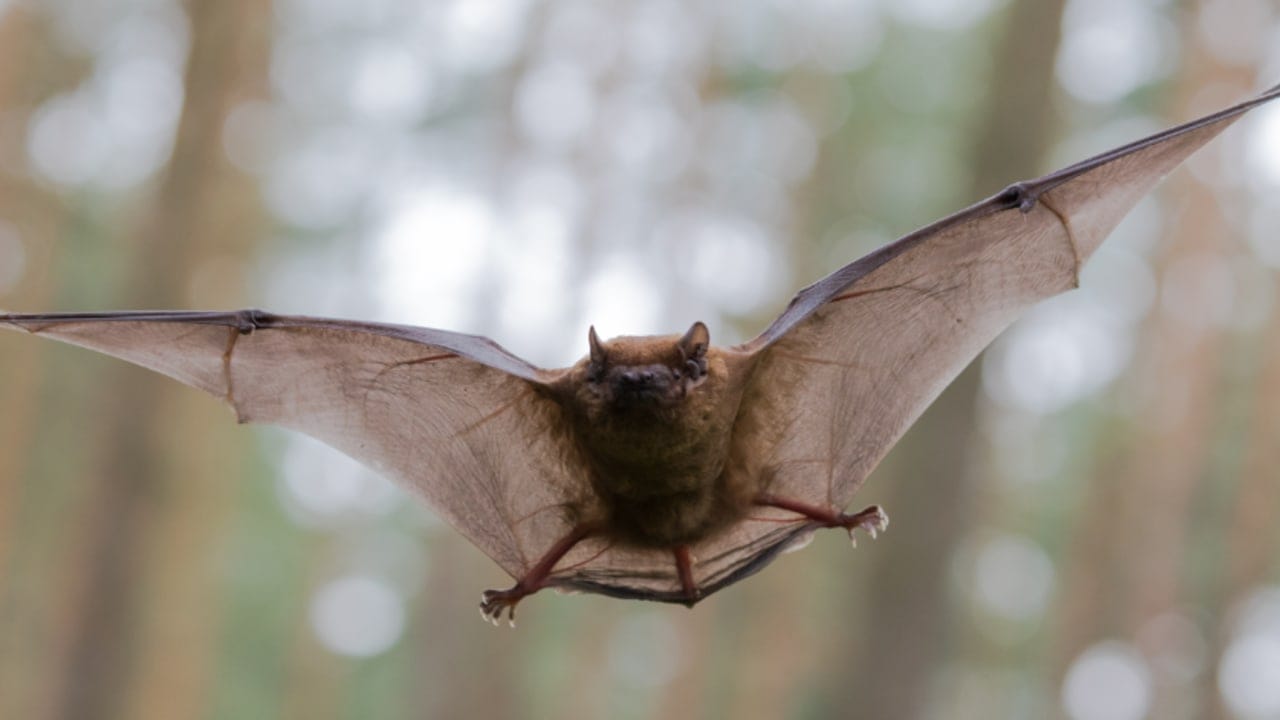
Hundreds of people across 38 states and seven countries may have been exposed to rabies while staying at the Wyoming Grand Teton National park over the past few months, health officials warned.
At least 200 guests who stayed at Jackson Lake Lodge from May 15 to July 27 may have been exposed to a suspected bat colony at the hotel. Rooms 516, 518, 520, 522, 524, 526, 528 and 530 are thought to have bats living in the attic space above the sleep space.
Authorities are currently concerned that some of the bats infesting the cabins in the national park may have been positive for rabies, though none of the bats found across eight cabins at the Jackson Lake Lodge were carriers as of Friday.
“Although there were a lot of people exposed in this incident, one positive about it is that we know who 100% of those people are,” Travis Riddell, director of Teton County Public Health Department, said. “People in the community in general don’t need to be concerned about this particular incident.”
The bats have since been removed from the cabins, with the large majority encouraged to fly away.
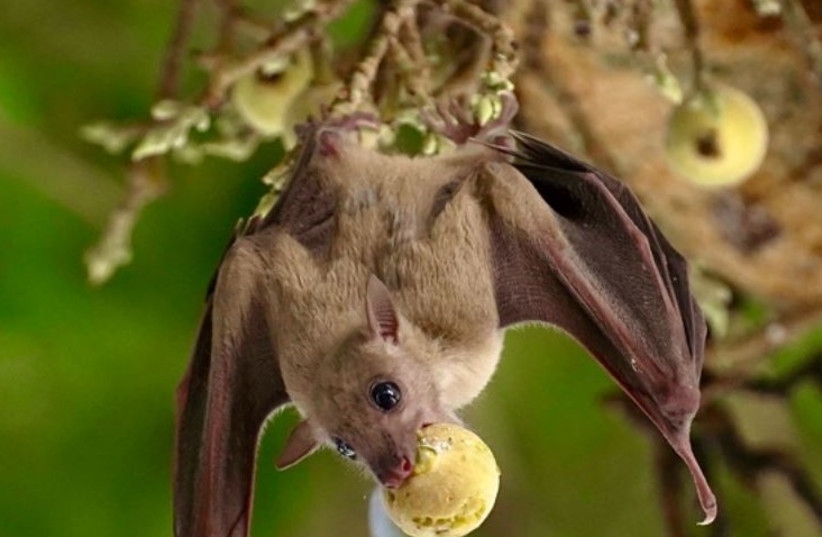
“What we’re really concerned about is certainly people who have had actual physical contact with bats because the way that rabies is spread is through the bat’s saliva,” said State Health Officer Alexia Harrist. “Either through a bite or a scratch.”
What is rabies?
Rabies is a virus which is usually transmitted through the saliva of an infected animal but can also be transmitted through scratches. The disease causes tens of thousands of deaths annually, according to the World Health Organization.
Once the virus infects the central nervous system and clinical symptoms appear, rabies is fatal in 100% of cases so immediate treatment is essential.
The incubation period for rabies is usually from two to three months but may vary from one week to one year.
Early symptoms of the infection include ever, pain and unusual or unexplained tingling, pricking, or burning sensations at the site of the infection was transferred to.