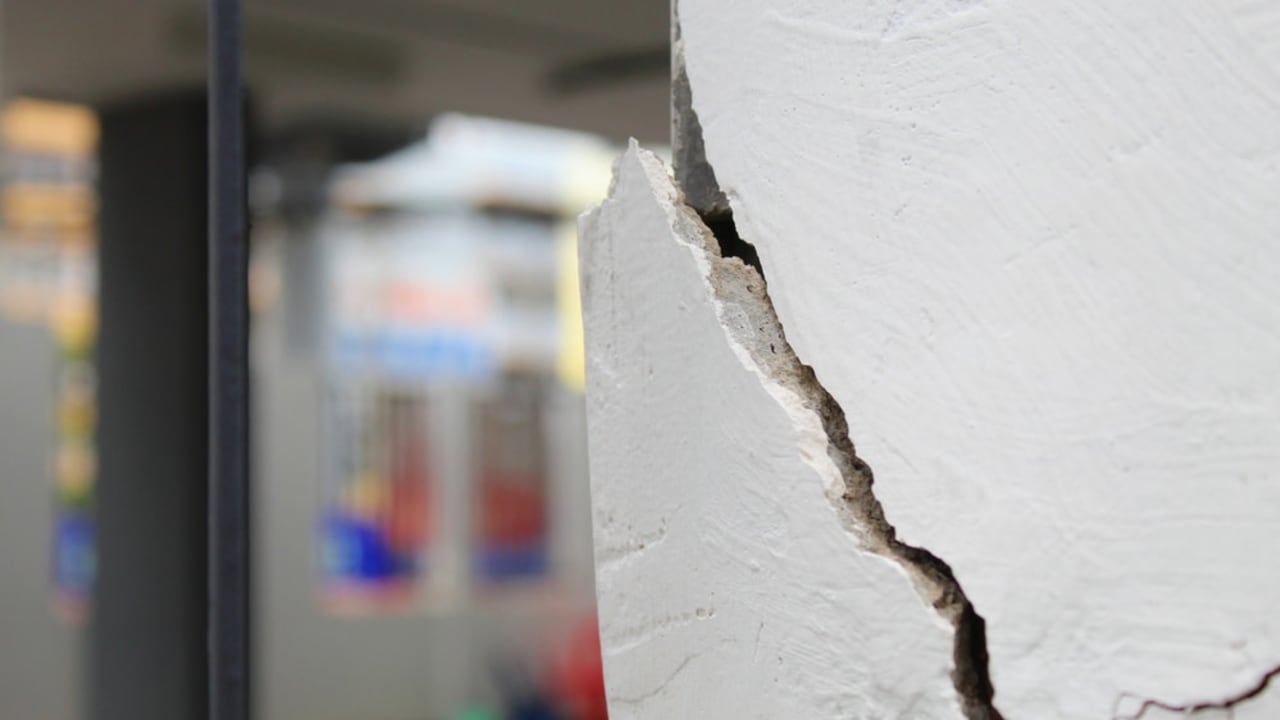
The dramatic decision by Defense Minister Israel Katz to define the years 2026–2027 as critical preparedness years for earthquakes constitutes a wake-up call for the Israeli economy and for decision-makers alike. The new directive sharpens an understanding that became even more pronounced following the outbreak of the “Swords of Iron” war: The Israeli home front is the front line, and its protection is an existential security necessity that cannot be postponed. Urban renewal, once perceived as a tool for improving quality of life or as an economic growth engine, is now being redefined as an urgent national mission.
The meaning of the minister’s decision is clear: The state must remove bureaucratic barriers and accelerate TAMA 38 and evacuation-reconstruction projects, not as a real estate privilege, but as a life-saving preventive action that will ensure every citizen has a functional safe room and a structure resilient to extreme scenarios, both security-related and geological.
This recognition is filtering down to the field and is receiving significant reinforcement from leading professional figures in the industry, who see mobilization around the issue as an immediate imperative.
Attorney Nurit Cohen-Katz, partner and founder of KDC Law Offices, emphasizes that the directive to prepare for 2026–2027 as critical earthquake preparedness years is a clear statement: “This is not just another headline - it is a national responsibility with a deadline. As someone who represents apartment owners across the country, I see every day the gap between how authorities operate and the reality on the ground: Signatures, planning, licensing, financing, guarantees, elderly residents, tenants and protected tenants - and hundreds of ‘small details’ that determine whether a building will be reinforced in time or remain exposed to risk."
"And all this comes after two years of war and missile attacks on all parts of the country, which have intensified the need for protection against those threats as well. If the state is seeking real preparedness, whether for missile attacks or for earthquakes, urban renewal must be transformed into a national emergency infrastructure: Prioritizing areas at seismic risk, fast-track planning routes with planning certainty, subsidy mechanisms for public infrastructure, and tax incentives for developers who move into actual execution - and do not remain with intentions on paper.”
Joining her is Alon Weisberg, partner and founder of the Yigal Alon Group and chairman of the Organizers Chamber, who argues that “beyond the economic aspect, this is a social and Zionist responsibility of the highest order. Developers and organizers must lead this process as a direct contribution to national resilience. Especially after the war, our mission is to lead residents to a safe shore. This is a national task, and our ability to unite forces is what will determine the resilience of the home front.” Completing the picture is Israel Yaakov, a real estate appraiser, who explains from a broad appraisal and economic perspective: “When urban renewal is viewed as a national mission, land value becomes secondary to the value of human life. The state must incentivize these projects just as it budgets for defense systems, because this is the residents’ true shield.”