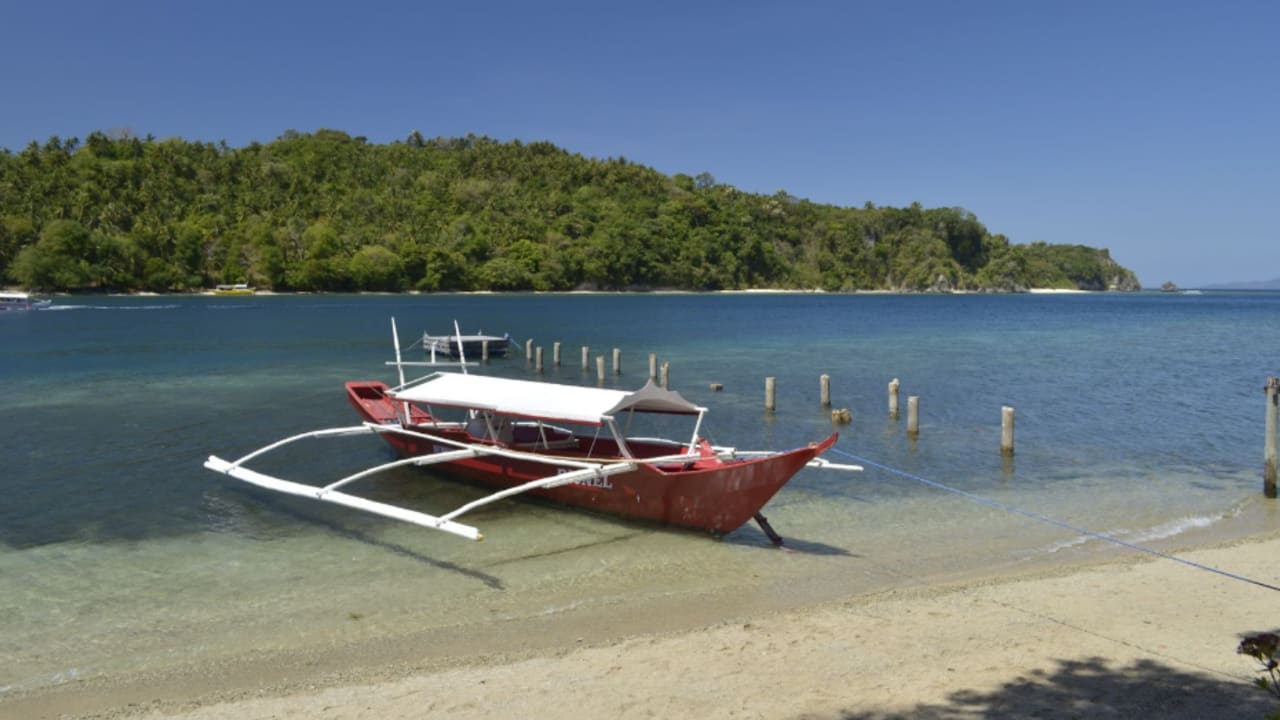
Archaeologists from Ateneo de Manila University unveiled a collection of data and materials from the Mindoro Archaeological Project presenting compelling evidence of human migration, technological innovation, and long-distance relationships centered in the Philippine archipelago over 35,000 years ago, effectively overturning previous understandings of its role in ancient history. The findings were published in the journal Archaeological Research in Asia,
Among the discoveries are human remains, animal bones, shells, and tools made from stone, bone, and shell. These findings demonstrate that the early inhabitants of Mindoro explored both terrestrial and marine resources, indicating mastery of technologies of navigation and fishing as early as the Stone Age.
Together, these discoveries suggest that Mindoro and nearby Philippine islands were part of a maritime network that existed during the Stone Age, pointing to a developed culture of seafarers. Of particular interest is the use of shells as raw material for tools dating back more than 30,000 years, including the manufacture of adzes from giant clam shells (species Tridacna) that date from 7,000 to 9,000 years ago.
These adzes present a similarity to shell adzes found in the island Southeast Asian region and even on Manus Island in Papua New Guinea, over 3,000 kilometers away. This similarity provides evidence of a maritime network connecting the island peoples of Southeast Asia. "Mindoro never connected to the mainland, so all contacts occurred thanks to advanced ships for that era," noted the researchers.
Mindoro, like most of the major islands of the Philippines except Palawan, has never been connected to continental Southeast Asia, either by land bridges or ice layers. More than 30,000 years ago, the early inhabitants of Mindoro possessed maritime skills and specific fishing techniques that allowed them to capture predatory deep-water species such as tunas and sharks. These skills enabled them to establish connections with distant islands and populations in the maritime region of Wallacea.
The Mindoro Archaeological Project includes some of the oldest evidence of the presence of anatomically modern humans (Homo sapiens) in the Philippine archipelago, specifically in Western Mindoro. Researchers found a burial site on Ilin Island aged 5,000 years, with the body in a fetal position covered with limestone slabs, indicating social practices. The burial method was similar to other flexed burials found in Southeast Asia, suggesting shared ideological and social influences and increasing social complexity over an area from the continent to distant islands.
These archaeological sites provided evidence of inhabitants adapted behaviorally and technologically to coastal and marine environments. By documenting human habitation over a long period, with the emergence of subsistence strategies and maritime technologies, the Mindoro Archaeological Project fills critical gaps in the prehistoric record of the Philippines.
Written with the help of a news-analysis system.