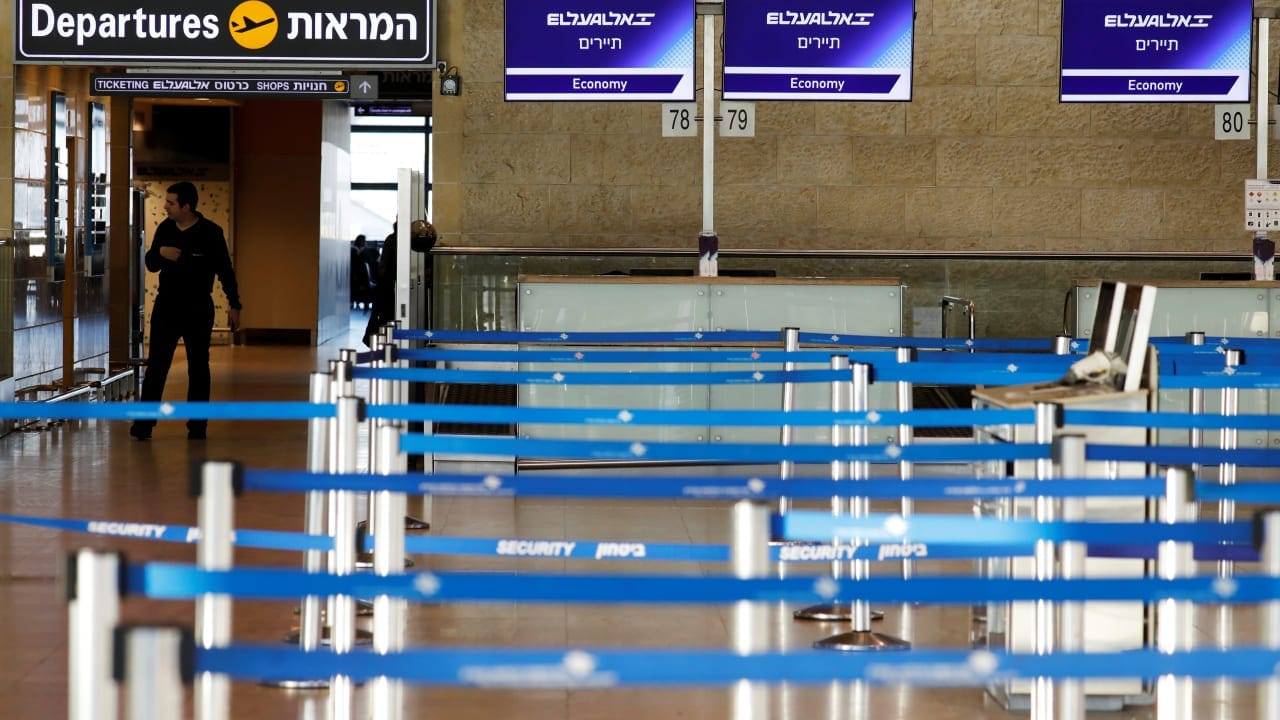
In June 2025, Israel’s airspace was closed following a significant escalation with Iran. Flights were grounded, departures were halted, and many Israeli citizens abroad were suddenly left stranded. It was precisely at that moment that a familiar yet often overlooked question resurfaced: what does travel insurance actually cover?
This article aims to bring clarity to a system that can become bewildering during emergencies.

Travel insurance is often purchased for peace of mind, but when real-world events unfold, that sense of security may prove illusory, not due to negligence on the part of insurers, but because insurance policies are legal frameworks with defined limitations.
In this current crisis, some insurers responded quickly and responsibly. For example, automatic policy extensions were granted to Israelis stranded abroad, sometimes for up to seven days. Still, the core issue remained unchanged: most policies exclude acts of war. A canceled flight due to closed airspace might entitle you to a voucher or refund. However, if you were forced to remain in a hotel, compensation is unlikely. Additional expenses, such as food, lost bookings, or transportation, will typically not be covered.
One notable exception involves travelers who were called up for military reserve duty under emergency orders. In these cases, some insurers treated the cancellation as equivalent to a medical emergency, thereby enabling full refunds.
Medical coverage tends to remain more consistent. Emergency treatments, essential medications, and follow-up care are generally honored, even if the insured is still abroad past their intended return date, provided they are unable to travel back due to the situation.
Tourists visiting Israel during such events faced a more complex reality. Most international travel insurance policies contain explicit exclusions for war. If a policy was purchased after a formal travel warning was issued, it may no longer be valid. That said, coverage often remains in place for non-conflict-related incidents, such as minor injuries or routine medical needs. During this period, many embassies stepped in to assist with visas, flights, and healthcare coordination.
Israel’s Aviation Services Law, known informally as the Tibi Law, mandates refunds or vouchers for canceled flights, but not financial compensation under exceptional circumstances such as war. In practice, responses have varied. Israeli airlines, such as El Al, provided accommodation and flexible rebooking options. Some foreign carriers, lacking local representation, offered far less support or none at all.
To prevent legal issues, the Population and Immigration Authority extended tourist visas automatically, avoiding technical overstays. Tourists were not penalized, but they were advised to retain documentation, monitor embassy updates, and access local support services when needed.
A key lesson emerges from such scenarios: honesty and documentation matter. Attempts to manipulate or fabricate insurance claims are not only unethical but may also carry legal consequences. Insurance is a contract. If coverage is not explicitly included, it cannot be assumed. What is covered must be understood and documented in real-time.
The bottom line is clear. Travel insurance is not optional. Neither is working with a specialized insurance adviser who understands travel-specific risks. In a country where the situation can change in a single day, insurance should not be an afterthought. It is an essential layer of protection.
The author is a veteran travel insurance specialist with over 30 years of experience advising private and business travelers in Israel and abroad.