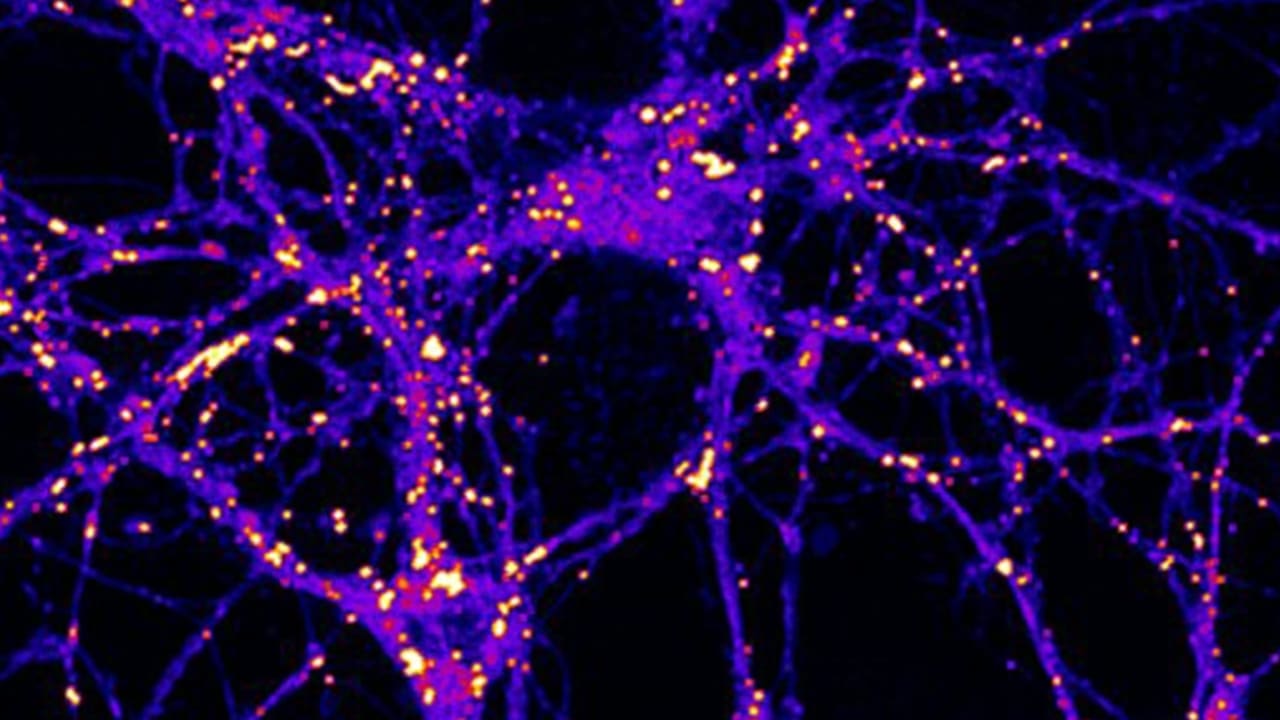
In a groundbreaking study, researchers at Weill Cornell Medicine have discovered that the brain can tap into fat droplets as an energy source.
Published on July 1 in Nature Metabolism, the study was led by Dr. Timothy A. Ryan, a professor of biochemistry and of biochemistry in anesthesiology at Weill Cornell Medicine. "The process of being able to use the fat is controlled by the electrical activity of the neurons, and I was shocked by this finding," Dr. Ryan remarked. "If the neuron is busy, it drives this consumption. If it's at rest, the process isn't happening."
The research centered around the DDHD2 gene, which encodes a lipase—an enzyme that helps break down fat. Mutations in DDHD2 are linked to a type of hereditary spastic paraplegia, a neurological condition that causes progressive stiffness and weakness in the legs, as well as cognitive deficits. Prior studies showed that blocking the DDHD2 enzyme in mice led to a buildup of triglycerides—fat droplets that store energy—throughout the brain.
Dr. Mukesh Kumar, the study's lead author and a postdoctoral associate in biochemistry at Weill Cornell Medicine, has been delving into the cell biology of fat droplets. He suggested that it makes sense for fat to play an energy role in the brain, much like it does in other metabolically demanding tissues such as muscle.
"When a synapse contains a lipid droplet filled with triglycerides in mice without DDHD2, neurons can break down this fat into fatty acids," Dr. Kumar explained. These fatty acids are then sent to the mitochondria—the cell's energy factories—to produce adenosine triphosphate (ATP), the energy needed for cellular function.
In another facet of the study, researchers injected mice with a small molecule to block the enzyme carnitine palmitoyltransferase 1 (CPT1), which assists in transporting fatty acids into the mitochondria for energy production. Blocking CPT1 prevented the brain from utilizing fat droplets, leading to torpor—a hibernation-like state where body temperature plunges and the heartbeat slows.
"This response convinced us that there's an ongoing need for the brain to use these lipid droplets," commented Dr. Ryan. The findings suggest that fatty acids derived from lipid droplets may help maintain the brain's energy, especially when glucose levels are low—a situation that can occur with aging or neurological diseases.
The study opens doors for further exploration into neurodegenerative conditions and the role of lipids in the brain. "We don't know where this research will go in terms of neurodegenerative conditions, but some evidence suggests that accumulation of fat droplets in the neurons may occur in Parkinson's disease," said Dr. Kumar.
Dr. Ryan emphasized the importance of understanding how glucose and lipids interplay within the brain. "By learning more about these molecular details, we hope to ultimately unlock explanations for neurodegeneration, which would give us opportunities for finding ways to protect the brain," he said.
Produced with the assistance of a news-analysis system.