As 2026 approaches, Israel’s focus must shift from survival to rebuilding – not just infrastructure, but institutions that define our future. For the medical community in the Negev, that work cannot wait.
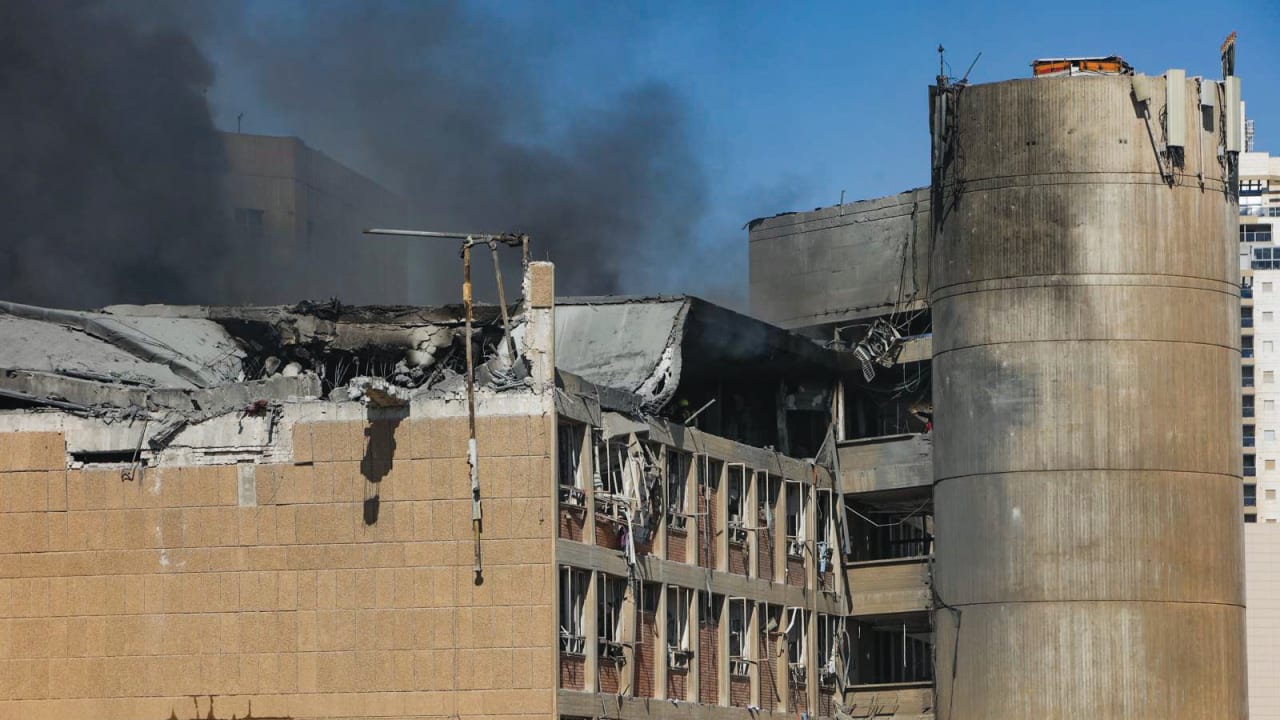
Earlier this year, I stood in what used to be our research laboratories. Six were completely destroyed by Iranian missiles, and nine others sustained significant damage. Decades of research that could have saved lives were gone in seconds. Around me lay shattered equipment, collapsed ceilings, and years of carefully gathered samples reduced to debris.
I am an obstetrician. I have delivered thousands of babies in Beersheba, including during rocket attacks. But standing there that day, looking at what we had lost, felt different. It was personal in a way the war had not yet been.
I grew up here. I am a product of this city and of the Goldman Medical School, where I trained. What we call the Beersheba Spirit is not just a slogan. It is a philosophy about how medicine should be taught and practiced.
The past two years have tested us beyond imagination. We lost students. Faculty members lost family members. Nearly two-thirds of our students were called up to reserve duty. The rest volunteered in hospitals, cared for the wounded, and helped hold together an overstretched healthcare system.
On June 19, missiles hit Soroka Medical Center and our campus. When I first assessed the damage, one question kept returning: how do you come back from something like this?

Beersheba spirit following the missile attack
The answer was to act immediately. Within hours, we moved classes online. Students completed their exams. We began rebuilding the next day in temporary labs and makeshift classrooms, doing whatever it took. Patients still needed doctors, and students had earned the right to become them. That is the Beersheba Spirit, refusing to let missiles determine your future.
What sustains me are the students themselves. One of our fourth-year medical students served more than 400 days as a casualty officer while completing medical school. She supports wounded soldiers and their families through unimaginable loss, witnessing both tragedy and remarkable resilience.
Recently, she became engaged to her partner of ten years, a reservist who came straight from war in Lebanon to support her at an Americans for Ben-Gurion University event in New York, where we celebrated 50 years of the Joyce & Irving Goldman Medical School. She shared with the audience that when planning their wedding, they saved one spot on the guest list – for a hostage they hoped would be freed in time. He was. That is the Beersheba spirit.
For me, this student embodies what we strive to build: physicians who understand that medicine is not only technical expertise, but presence, empathy, responsibility during people’s darkest hours, and actually a way of life, not a “job.”
Our students work in Bedouin communities, with new immigrants, and in underserved populations across the Negev. They learn that good medicine requires understanding people’s lives, not just their lab results. Over 5,000 of our graduates practice in the region, far above the national average. This reflects a lasting commitment to the communities they serve.
Our alumni lead major institutions: children’s hospitals, the Ministry of Health, the IDF Medical Corps, and medical centers that treated returned hostages. Wherever they go, they carry the Beersheba Spirit with them.
Rebuilding now is not only about restoring damaged buildings. It is about ensuring that Israel’s healthcare system, particularly in the south, remains strong, adaptive, and humane. The Negev is home to more than a million residents. Soroka Medical Center is their hospital, and the doctors we train are their doctors.
Israel already faces a shortage of physicians, especially outside the center of the country. When crisis strikes, that reality becomes impossible to ignore. Medical education, infrastructure, and workforce development are not abstract investments. They are matters of national resilience.
The Goldman Medical School was founded on a vision of medical education that places humanity at its center. Now, that vision is being renewed through rebuilding efforts that look not only to recovery, but to long-term strength. It continues to guide students who balance reserve duty with medical training, who volunteer when exhausted, and who show up for patients and for one another.
Standing in those destroyed laboratories this past June, I could have despaired. Instead, I saw what I always see in Beersheba: resilience, community, and purpose. The rubble was not just a loss. It carried responsibility. This is what the Beersheba Spirit means.
The missiles destroyed our laboratories. They could not touch what makes this place and its people extraordinary.
The writer is the dean of the Faculty of Health Sciences at Ben-Gurion University of the Negev.