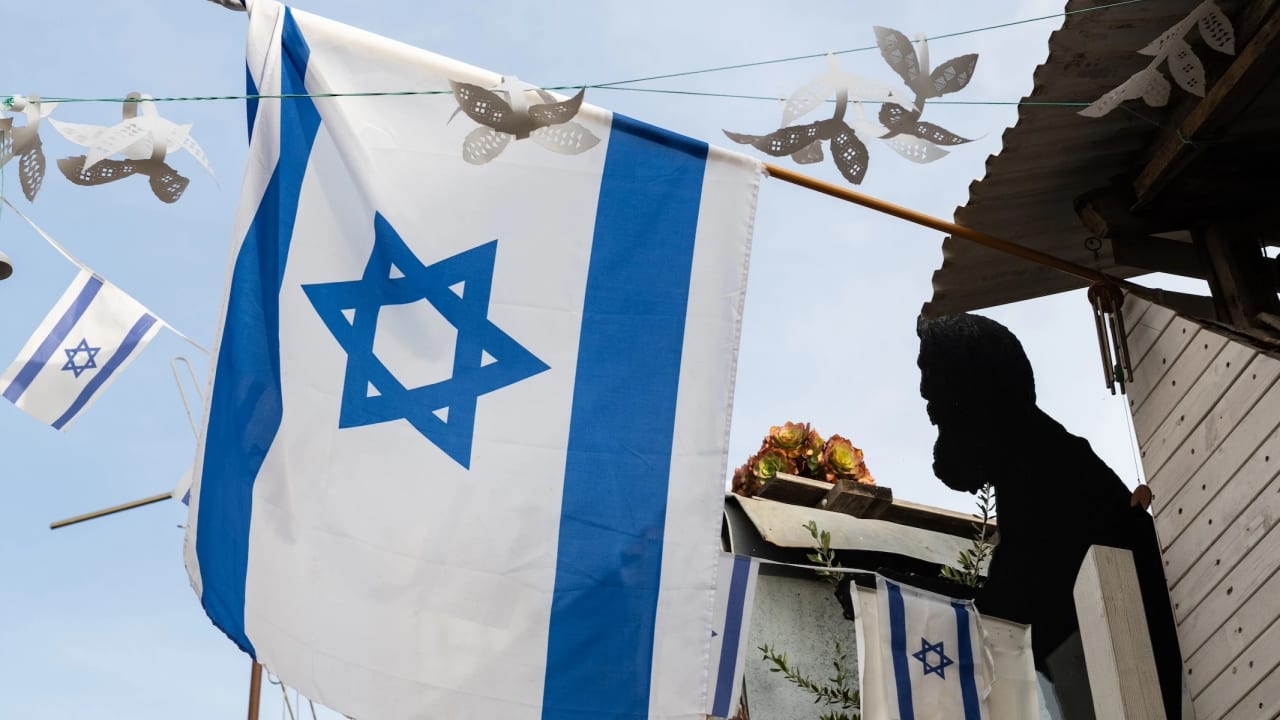
Across the Jewish world, we are living through a moment few of us imagined possible. The very legitimacy of Israel - and of Zionism itself - is being called into question in ways not seen since the founding of the State. What once felt unshakable is now under sustained assault: on university campuses, in international institutions, and even in circles that once stood shoulder to shoulder with the Jewish people.
This is not merely a public-relations challenge. It is a crisis of meaning. Zionism, the national liberation movement of the Jewish people, has too often been reduced to the policies of whichever Israeli government happens to be in power. That distortion must be confronted head-on. Zionism is not a party platform. It is the belief that the Jewish people have the right and the responsibility to build and sustain a free, democratic homeland - an idea rooted in our history and enshrined in Israel’s Declaration of Independence.
Next month, the World Zionist Congress will convene in Jerusalem. More than a gathering of delegates, it is the parliament of the Jewish people. At this critical hour, it cannot be “business as usual.”
If Zionism is under attack, then it is we - the supreme body of the Zionist movement - who must lead the response. That means bold, unapologetic action. A few priorities are clear: We must super-fund Zionist youth movements worldwide, ensuring that a new generation grows up fluent not only in Hebrew songs and Israeli culture, but in the moral vocabulary of the Declaration of Independence.
We need to invest in grassroots organizing. Our opponents work tirelessly in local communities while we too often rely on the image of Israel as the “Start-Up Nation” or the Tel Aviv lifestyle vibe to carry the day. It will not.
In addition, we must forge new alliances. Our struggle for national self-determination resonates with communities that have faced discrimination and displacement. Strengthening ties with the Black community in America and with others who share our belief in human dignity is not only morally right; it is strategically essential.
Although technology is not always our primary domain, it undeniably shapes today’s worldview. To compete in the marketplace of ideas, we must embrace innovative and creative technological platforms. For too long, hostile actors have exploited technology to spread delegitimization and manipulations. It is time to craft our own powerful technological response.
The path forward is not complicated, but it demands courage. We need a total reset: a return to the spirit that animated the early Zionist movement. Theodore Herzl’s genius lay not only in envisioning a state but in rallying Jews of every background to a common purpose. Today we must ask again: What would Herzl do?
The answer begins with education. Yes, we must wage the information war—but even more importantly, we must nurture a long-term educational process that reintroduces the world, and our own children, to a Zionism that is nuanced, principled, and proud.
And nuance matters. We must allow space for honest disagreements over Israel’s policies without branding one another as traitors. But let us be clear: questioning the legitimacy of Zionism itself, or Israel’s right to exist, is not “critique.” It is a denial of the Jewish people’s most basic right to self-determination. That line cannot be blurred.
Some argue that they can separate their Jewish identity from Israel - saying, “Israel does not act in my name.” But Israel does not claim to act in the name of every Jew. In fact, many Israelis are themselves fighting fiercely against the very policies critics abroad condemn.
So instead of throwing us under the bus, why not stand with us? Why not lend your voice to the fight for an Israel that is better, more just, more of a light unto the nations? That is the kind of criticism that carries moral weight. Anything else risks sounding shallow and glib.
This is the charge before the Congress, and before every Jew who still believes in the dream of a Jewish and democratic state. We cannot allow detractors of Zionism to define us. Our task is to reclaim our story, renew our alliances, and return to the foundational values that made the State of Israel not only possible, but indispensable.
If we meet this challenge with the clarity and courage of our founders, then the next generation will look back on this moment not as the beginning of decline, but as the rebirth of Zionism itself.
Tova Dorfman is the President of the World Zionist Organization