Israeli defense innovation is considered among the most advanced in the world. From prepositioned technologies – such as the beeper project, which demonstrated exceptional technological control – to the sophisticated Israeli multilayer air-defense system – including Iron Dome, David’s Sling, and the Arrow, which have set a global standard for air defense – Israel has repeatedly proven its ability to develop groundbreaking security solutions.
The principle is clear: Whoever controls technological innovation controls the battlefield.
The many actors in Israel’s defense ecosystem
The IDF and Defense Ministry development units, established defense industries, and young start-ups drive defense innovation. While processes accelerate during wartime, and bureaucratic barriers fall, peacetime reality is entirely different: The pace of innovation implementation in the IDF is far from optimal.
The tragic example of the suicide drones that attacked Israeli civilians and military bases during Operation Swords of Iron illustrates this most clearly. Israel suffered casualties that could have been prevented. The technology to counter this threat existed, but it wasn’t matured in time and was implemented only after the losses occurred.
The structural problem:
Western militaries, including the IDF, develop their capabilities through a hierarchical top-down approach.
First, they formulate a systemic concept of operation (CONOPS) at the general staff level, then they translate it into required technological capabilities. Only then do they decide what can be implemented in the field according to resources and the maturity of the technology.

This process, despite being orderly and systematic, involves heavy bureaucracy. Considering the enormous investments required, military systems are planned for a decade or even two decades ahead.
The result? Years pass from the moment a decision is made to develop a system until it reaches the field. The large defense industries that lead the process with the military services and are responsible for the backbone of military systems and core infrastructure – communications, command, and control – are based on hundreds of persons and years of experience and engineering.
The Iranian model: Efficiency versus sophistication
In stark contrast to the Western approach, the Iranians have adopted a different operating model. They rapidly produce “good enough” systems in large quantities without cumbersome tenders and obstructive bureaucracy. They neglect the need to reach military-grade qualification processes and take calculated risks in technology development to bring products to market faster.
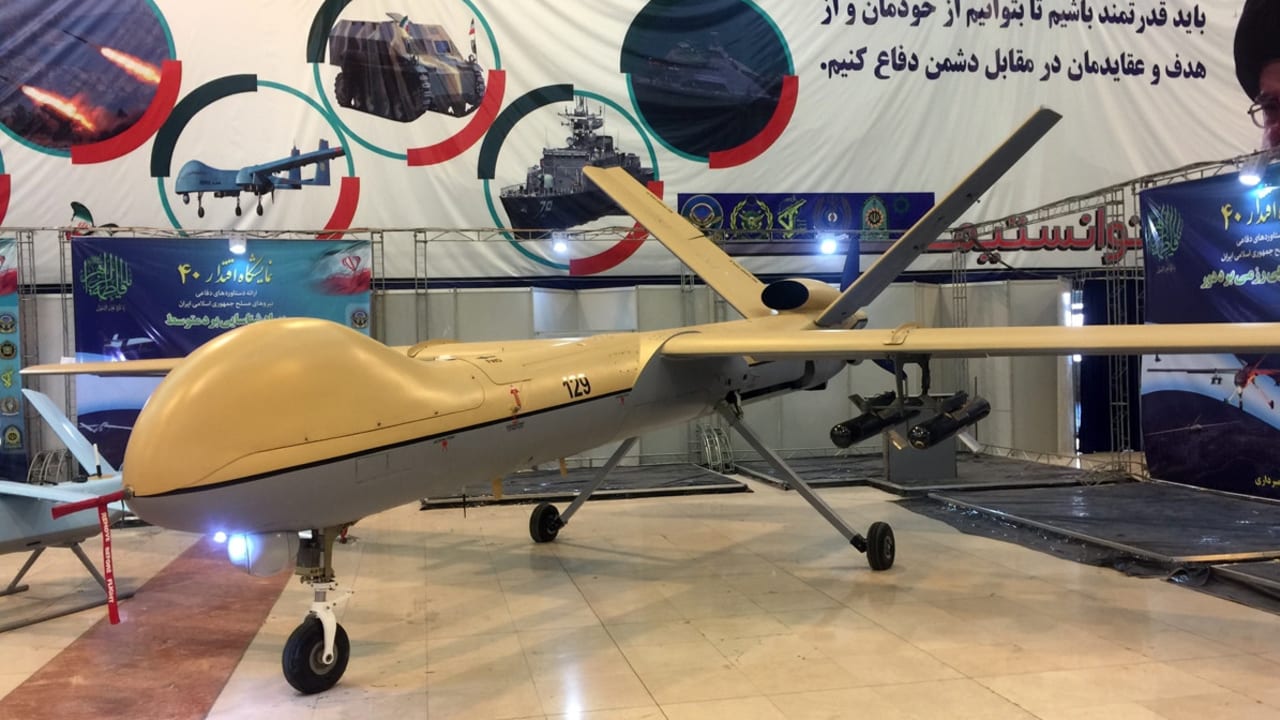
The prominent example is the Shahed 136 – a simple but effective suicide drone that lacks high reliability but is mass produced and is changing the face of the battlefield.
While we build sophisticated systems for the long term, the enemy also tries different approaches, adapts quickly to changes, and exploits technological opportunities in real time.
The defense startup challenge
The challenge for defense-sector start-ups is twofold. On the one hand, they must integrate into a massive system that moves slowly. On the other hand, they must meet high standards of reliability and certainty – characteristics not typical of start-ups in their early stages.
Commanders want proven solutions that will work in the field from day one, and engineers demand technological certainty.
BUT START-UPS operate iteratively – demonstrating, improving, failing, and trying again. By the time they reach Product Market Fit in the military system, they may die out or be absorbed by the traditional defense industry.
Turning point: The October 2023 war
The current war has revolutionized the field. From 160 defense-tech companies in 2022, the number jumped to more than 310 in less than a year. Reserve soldiers who identified urgent needs in the field established companies and developed solutions at record speed.
Under war pressure, the start-up integration process – led by the Military R&D Unit (MAFAT) in the Defense Ministry’s Directorate of Defense, Research, and Development (DDR&D) – demonstrated impressive adaptability. Development, testing, and implementation, which typically take years, were completed within weeks.
But alongside the successes, gaps were also exposed: limited budgets, cumbersome regulations, and a lack of flexible funding mechanisms.
The path to success
Companies that successfully break through the barrier focus on several guiding principles.
First, they identify a “technological vacuum” where traditional systems lack adequate solutions. Prominent examples include the electromagnetic spectrum and aerial-threat detection field, as well as advanced AI capabilities for autonomous target recognition and decision support systems, where start-ups provide innovative solutions that are warmly received.
Crucially, successful defense start-ups must focus on Deep Tech capabilities rather than rely solely on software-defined warfare solutions.
While software innovations are essential, the real game changers often come from fundamental technological breakthroughs – advanced sensors, novel materials, quantum technologies, directed-energy systems, and breakthrough propulsion methods.
These Deep Tech solutions create genuine competitive advantages that are harder for adversaries to replicate or counter quickly.
Second, they seek an “embracing factor” within the system – a commander or professional who understands the value and is willing to advance implementation. This individual must appreciate the technology and navigate the organizational complexities to secure funding and operational testing opportunities.
Third, they strive for joint development and initial sales that will prove operational relevance. This often means starting with smaller, specialized units that are more agile and willing to experiment before scaling to broader implementation.
Finally, successful start-ups understand that patience and persistence are essential. They build relationships over time, participate in military exercises and demonstrations, and gradually establish credibility within the defense establishment.
They also maintain dual-use strategies where possible, developing civilian applications to sustain the company while military adoption processes unfold.
Looking ahead
The changing security reality demands renewed thinking. The defense system must find a balance between the need for reliability and long-term planning and the ability to respond quickly to changing threats.
Start-ups, for their part, need to understand systemic limitations and adapt to them without losing the flexibility and creativity that characterize them. The question is not whether we will succeed in integrating technological innovation into the defense system, but how quickly we will do so.
While we build work plans, the enemy is already implementing tomorrow’s technologies.