This week, Israeli security services dismantled a chilling plot to assassinate Prime Minister Benjamin Netanyahu – an anti-government activist in her 70s from Tel Aviv is suspected of planning an attack using an explosive device or rocket-propelled grenade. The suspect herself, reportedly ill and claiming she would “take Netanyahu with her,” was placed under house arrest under an extensive gag order.
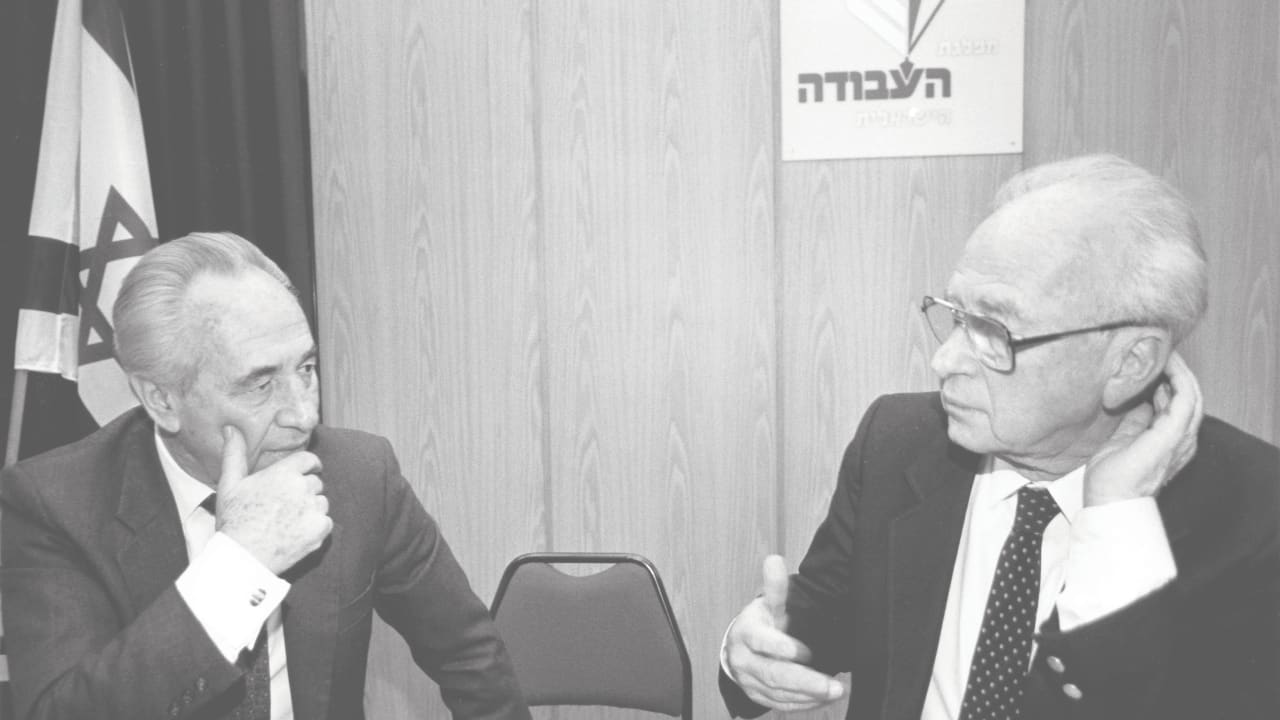
Once again, Israel confronts a grim reminder: political violence is capable of destroying democracy’s very foundations. The history of the modern Israeli state bears witness to this truth – from Yitzhak Rabin’s assassination in 1995 to repeated attempts on other leaders. These acts leave scars far deeper than the immediate victims; they fracture public life and dilute the currency of political dialogue.
Political violence is a threat to democracy. Political disagreements – be they over judicial reform, war strategy, or socioeconomic policy – must be rooted in words, not weapons. When political grievances descend into murder plots, discourse is replaced by terror.
History shows that such acts encourage escalation. A successful assassination can embolden further extremists; thwarted ones still amplify fear. Each attempt extends a legacy of violence that cannot be bound by partisan alignment.

Democracies derive their legitimacy not only from elections, but also from their ability to withstand dissent without resorting to violence. When political goals overshadow the democratic process, rulers lose moral and legal justification to lead. Israel’s diverse and polarized society cannot afford to let violence define politics when political opponents view one another as existential threats, national unity – always fragile, particularly now in this moment in a country aching in an existential crisis – crumbles.
That a septuagenarian activist could harbor and plan such violence signals how extremely polarizing current political debates have become. The suspect allegedly sought help from protest groups, actively inquired about the prime minister’s security, and attempted to obtain weapons. Whether she acted out of personal conviction, despair, or fanaticism, the motivations are troubling: extreme polarization can push even ordinary citizens into the abyss of plotting murder.
The Shin Bet (Israel Security Agency) and police acted swiftly and narrowly, preventing tragedy. Now, the State Attorney’s Office should pursue charges under terrorism statutes and conspiracy laws. Justice must be carried out transparently yet decisively – not vindictively, but firmly. This accountability reinforces the message: there is no legitimate place for violence in politics.
Standing against extremism
Elected officials and community leaders alike must denounce political violence without hesitation or qualification.
This is not the time for partisan caveats, but for principled clarity – an unambiguous stand against extremism from all sides.
This plot surfaces amid a broader context of profound political upheaval: contentious judicial reform, ongoing investigations into the Prime Minister’s Office, International Criminal Court arrest warrants, and a fractious public square. Emotions run high, and while that’s natural in a democracy, letting emotion mutate into violence poses not only an existential risk but a practical one.
Israel’s democracy is being stress‑tested. The test isn’t merely political but moral and philosophical. Violence invalidates dissent and kills potential avenues for reconciliation. Our laws, institutions, and people are all on trial for their ability to maintain peace during existential disagreements.
The plot to kill Prime Minister Netanyahu must shock us into reflection. We cannot let our nation’s future be determined by extremism, whether from the radical Right or Left. Every assassination plot slices a little off Israel’s democratic ideals; this one was stopped, but the next – if we fail to learn – may not be.
We must recommit to democracy not just in name, but in practice. That means confronting anger without succumbing to violence, seeking accountability without resorting to revenge, and remembering that political power must be earned through persuasion, not coercion. Only then can Israel channel its force and passion toward national renewal rather than national fracture.
Ultimately, the resilience of Israeli democracy will not be measured solely by the strength of its laws, but by the courage of its culture. Political violence is a failure of imagination – a collapse of dialogue into despair. We must choose a different path. One of principled dissent, not destruction. Of passionate disagreement, not dehumanization. If we are to preserve what’s sacred in this fragile experiment, it will be through words, through witness, and through our shared refusal to turn toward blood.