As I write this from the shelter in my Jerusalem building amidst yet another incoming rocket barrage, I now reflect on how quickly I have become accustomed to the absurdities of Israeli life. Two years ago, my life was unrecognizable compared to today
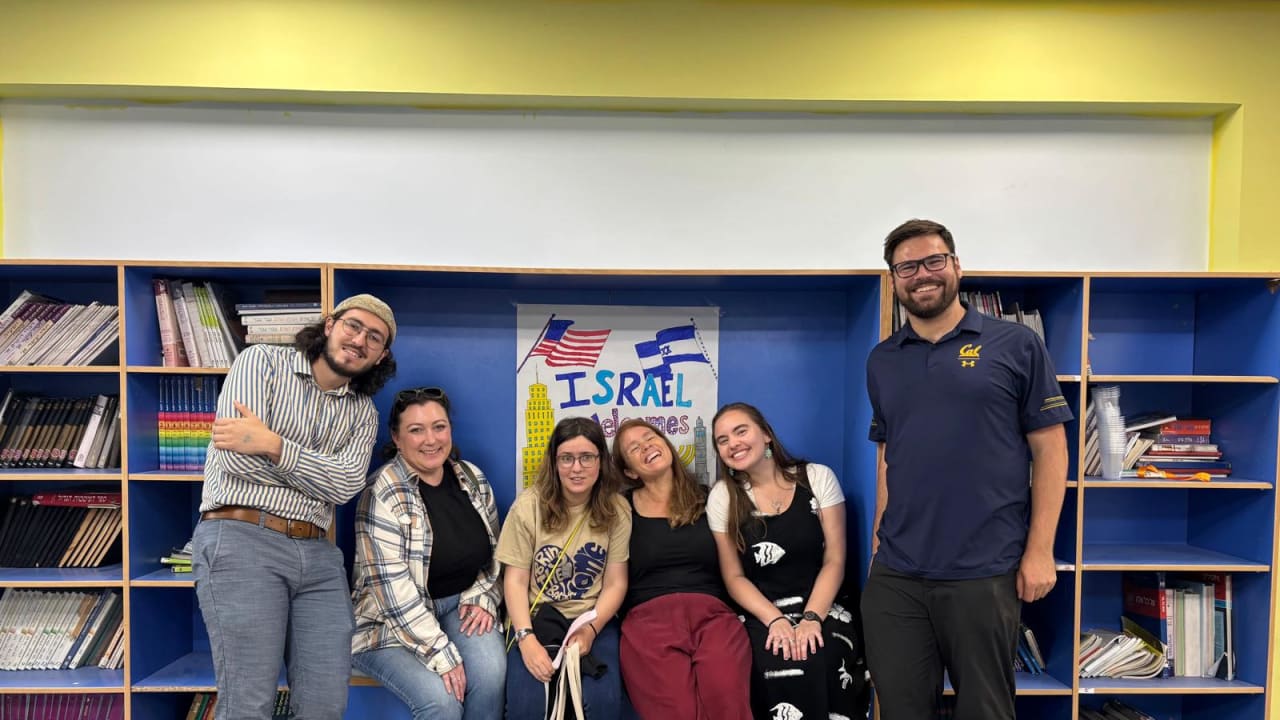
I am a 23-year-old Masa Israel Teaching Fellow from Los Angeles. I graduated from UC Berkeley in the summer of 2024, and then I immediately made the leap to move to Israel for 10 months to teach English. My journey to Israel began at Berkeley, shaped by both push and pull factors. I first visited Israel through Birthright, and then a few months later I spent the summer of 2023 working in Tel Aviv. That is when I formed a personal attachment to the country and started to see it as home.
October 7 occurred shortly after I returned to Berkeley. Even as the massacre unfolded, I encountered an overwhelming onslaught of antisemitism and anti-Israel sentiment, which continued through graduation. I experienced intimidation on campus, some Jewish friends were violently attacked, and campus was swarmed with graffiti and physical obstructions for months. At my commencement, I could not hear the keynote speaker over the sounds of hundreds of keffiyah-clad students chanting “From the river to the sea” and stomping their feet.
I’d had enough. Toward the end of my senior year, I discovered Masa and learned that I could volunteer and live in Israel for a year. I needed to be in a place with people who “get it”, rather than feeling isolated from what matters most.

A whirlwind culture shock
This past year has been a whirlwind for a previously sheltered American like me. Alongside the culture shock of working in the Israeli school system and adjusting to day-to-day life, I had to confront living in a country at war. Many of my students are reconciling with the repeated absence of fathers called up to serve. I have met former hostages and become close with people directly affected by the war in Gaza. In October, I had my first ever siren during the Iranian missile barrage. It was jarring and unsettling, but I quickly came to terms with my new reality. The idea of missiles over Los Angeles is unimaginable, but now in Jerusalem, I keep clothes in the top drawer of my bedside table in case I need to run downstairs at 3am. Despite this radical change from my comfortable life, I have learned to live like Israelis do: when there is a siren, go to the shelter for ten minutes—then go on with your day.
But this past week has been surreal. I spend my time reading the news or calming down terrified family and friends watching the Iranian attacks from 7,500 miles away. I also watch movies and talk with friends here. If I had to describe the last few days in one word: strange. It is strange to sit and wait anxiously in the shelter for inevitable inbound missiles as my world back in America deals with normal life. While catching up with a college friend over the phone from the shelter, she mentioned debating whether to fly or bus to Los Angeles from San Francisco because she is concerned about greenhouse gas emissions. As I heard big booms overhead, I couldn’t help but laugh at the different types of immediate problems we each faced.
Still, I can’t imagine being anywhere else in the world right now. I felt so helpless being far away in America on October 7 as the people and place I love so much were in crisis. I am so grateful to be here now. Life can undoubtedly be much simpler in so many ways in America. However, being an active part of the Jewish nation exceeds any ease I may have had in the US.
Living in Israel during such a critical time in the nation’s history has only solidified and strengthened my resolve to build my life here. Although I am going back to the States when this Masa program concludes, my next role is yet again Israel-focused. Whether I eventually make Aliyah or remain in the US, I know that my future is intertwined with Israel. In peace or war, there is no place I would rather be than right here.