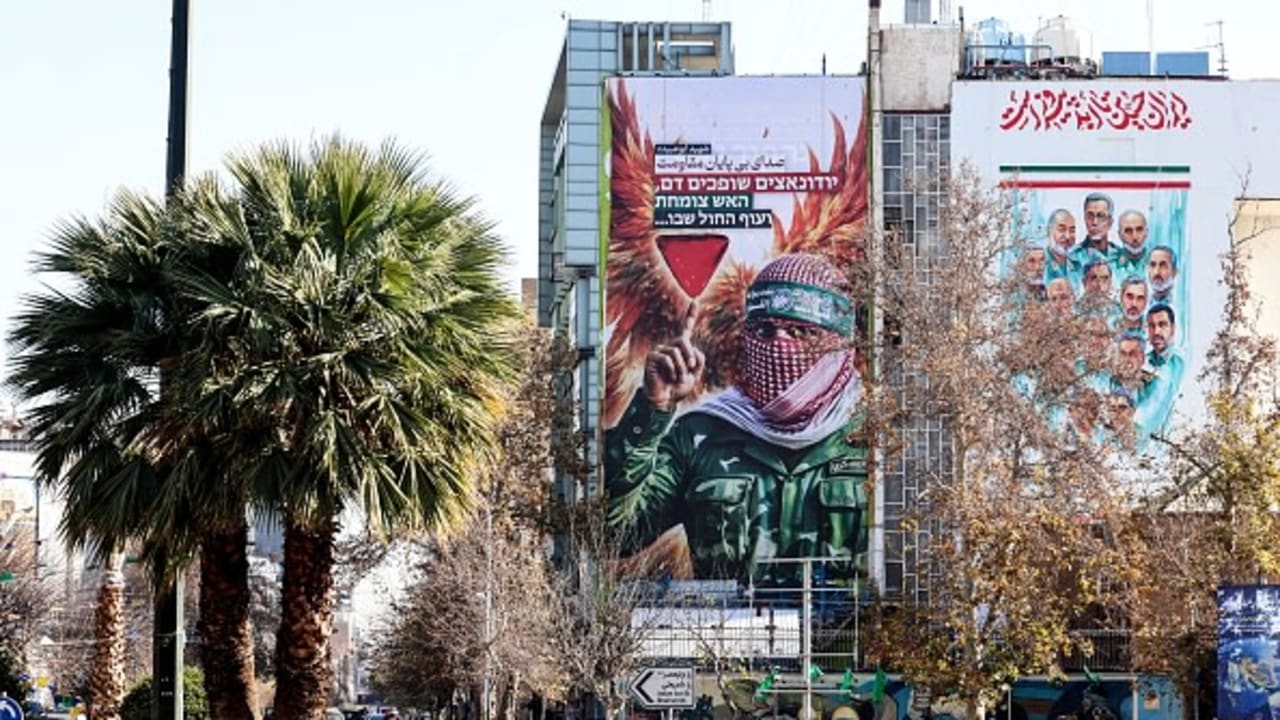
Israeli defense officials are closely monitoring whether Iran might attempt a last-ditch missile attack on Israel as the regime grows weaker, officials said on Thursday.
According to Israel’s defense establishment, Tehran does not currently want a war, and its capacity is limited, yet the possibility of a sudden strike cannot be dismissed. Officials said the IDF and security agencies have raised their alert and are tracking Iranian readiness for a surprise launch.
The officials said Iran’s air defenses are highly vulnerable and its ability to absorb a sustained Israeli strike is “near zero.” They added that Tehran is trying to rebuild its weapons stocks, but output remains limited and of low quality.
Israel believes that Iran is attempting to restore its ballistic missile arsenal quickly, using local industry. Even so, they assess that Tehran has not recovered the number of missiles and launchers it held on the eve of the Israel-Iran war. Officials also dispute Western media tallies of newly produced Iranian missiles.
“The Iranian government has set its own priorities: first, to reestablish an offensive posture against Israel before dealing with Iran’s economic distress, water shortages, and welfare problems,” a senior military source said.

Israeli assessments say Tehran is struggling to recover internationally after the blow it suffered in the recent war with Israel. At the same time, Israel’s campaign across multiple fronts has cost Iran its proxies, from Hezbollah and Hamas to militias in Syria and Iraq, while the Houthi crisis in Yemen has added pressure.
Protests enter fifth day in Iran
Inside Iran, a deepening water crisis, alongside severe economic strain, has prompted people to take to the streets. Officials note that Iran’s 1978–79 revolution was driven in part by similar socioeconomic grievances. Much of the largely secular middle class, they say, has been squeezed to the wall by the cost of living, and “no military or police force can halt a tide of hungry and thirsty citizens.”
Given these trends, Israel’s Military Intelligence, the Mossad, the Air Force, and Israel’s air-defense network are keeping close watch on developments to the east. The prevailing estimate is that, although Tehran lacks the ability and desire to enter another war with Israel now, it may feel cornered.
This concern has only grown after recent comments by US President Donald Trump in his meeting with Prime Minister Benjamin Netanyahu this week, and amid protests in Iran that appear to be spiraling.
Israeli officials warn that continued economic collapse in Iran could push the regime to lash out externally, with Israel’s home front as the target.
Defense officials say Israel will have no choice but to strike Iranian capabilities again if Tehran accelerates efforts to rebuild its air defenses and ballistic-missile arrays. For now, they say, Iran has not crossed the red line set by Israel, and other urgent priorities are being addressed.