The Islamic regime in Tehran has significantly increased its repression of Iranian citizens following the 12-day war with Israel, the Telegraph reported on Monday, citing locals civilians and former security officials.
According to former intelligence official Abdullah Shahbazi, that the domestic security crackdown in Iran had become so intense, top officials "change safe houses every night and avoid using phones, fearing assassination.
"What became clear to all of us is that there is prolonged ground activity by the Mossad network inside Iran," he told the British news outlet.
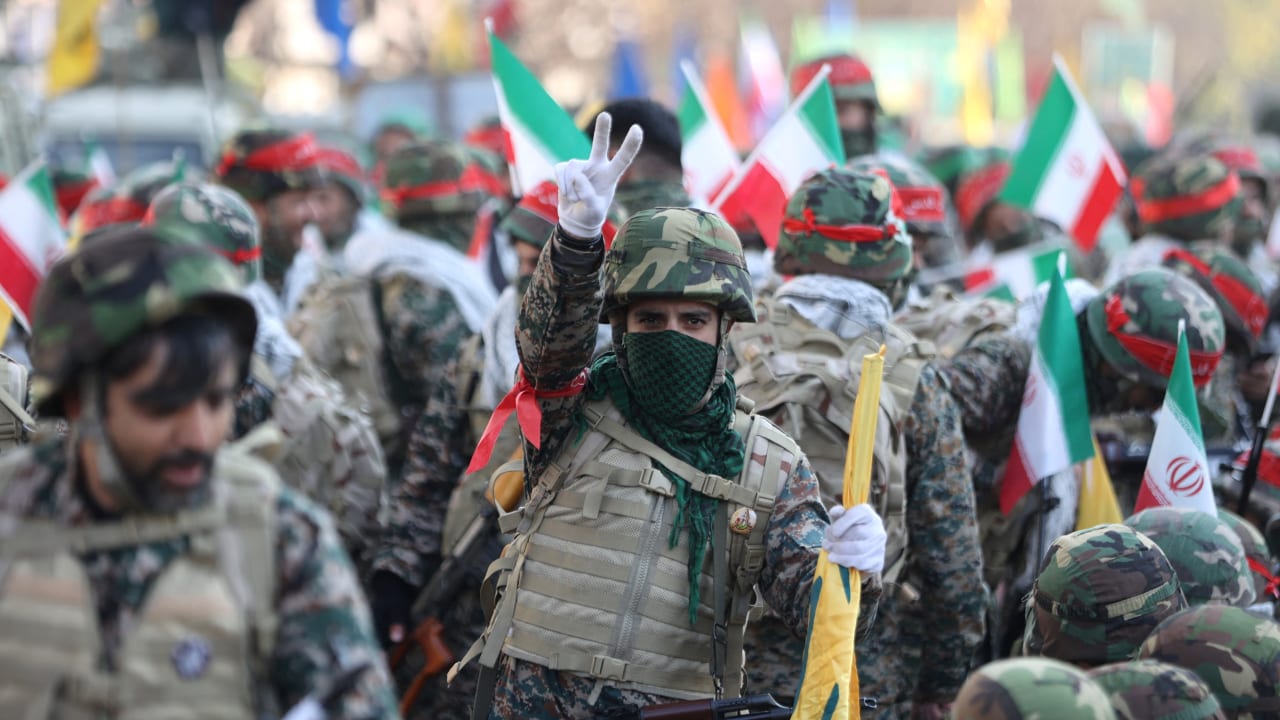
According to the report, Tehran had changed its appearance overnight since a US-brokered ceasefire ended a two-week war with Iran, with the Iranian capital now being regularly patrolled by armed forces from the IRGC and the Basij militia. Police are reportedly regularly raiding homes and arresting citizens without apparent cause.
Iranian citizens suffer in the aftermath of war with Israel
Jawad, a 36-year-old software engineer living in Tehran, told the Telegraph that since the end of the war, he has had to wake up half an hour earlier every morning just to pass through the chain of checkpoints on his way to work.
He said, "They stop me at the same checkpoint every day - armed, at every square. They randomly gather people just to instill fear."

Authorities claim to have uncovered Mossad spy networks operating within the country, and as part of this, hundreds of residents were arrested on charges of collaborating with Israel. At least six have already been executed in what human rights organization Amnesty International described as "trials conducted absurdly and unfairly."
Last month, a state funeral was held for senior officers killed during the fighting, with authorities claiming that Mossad agents operated from within Iranian territory.
Earlier in July, armed forces opened fire on a civilian vehicle near a military base in central Tehran, killing four, including a young couple and their five-year-old daughter. Two other family members were critically injured. The incident caused an uproar on social media, with some claiming the Islamic regime was "taking revenge on its citizens after being defeated by Israel."
Locals in western Iran, particularly in Kurdish cities like Saqqez, reported an atmosphere of an "informal military regime," with checkpoints in the city and daily arrests. Saqqez was the hometown of Mahsa Amini, a Kurdish young woman who was arrested, tortured, and ultimately died in 2022 after two days in custody for not wearing her hijab properly.
Mohsen, a local resident, said: "They are afraid of another uprising. You can be arrested or harmed just for taking a picture or looking at a soldier the wrong way."
Iranian opposition leader calls out ayatollah's regime
Meanwhile, Mirhossein Mousavi, leader of the "Green Movement," who has been under house arrest since 2009, published a call last week for a referendum on the structure of the regime.
He stated, "The bitter situation that has befallen the country is the result of a series of serious mistakes. A constituent assembly must be convened to allow the people to determine their fate, and prevent the enemies from exploiting the crisis."
Around 700 Iranian activists joined his call. Mousavi, who served as prime minister of Iran in the 1980s, emphasized: "The current structure of the regime does not represent all citizens. Deep change is needed to prevent the collapse of the state."
Jawad, the tech worker from Tehran, like many others across the Islamic Republic, wonders how long the regime can hold up under internal and external pressure: "I always feared the regime would drag us into war - and it did. Now we're paying the price."