
Syria’s Transitional Justice Commission is preparing to begin operations, with its chairman promising to hold regime figures accountable and implement sweeping reforms aimed at preventing future abuses, a senior Syrian judicial official told Al Arabiya on Monday.
In comments published by Al Arabiya, commission head Abdul Basit Abdul Latif said the new body will prioritize the principle of non-repetition, which he said requires a full restructuring of the judiciary, prison systems, and security institutions—areas long plagued by corruption and injustice under the Assad regime.
“The protection of human rights must be institutionalized, violations must be stopped, and the rule of law must be restored,” Abdul Latif said.
The commission’s work will center on crimes committed by the former regime prior to December 8, 2024. Abdul Latif noted that recent incidents in coastal areas and in the Sweida Governorate fall outside its scope, as independent committees were already appointed to investigate those cases. Their findings, he said, have been submitted to the relevant authorities, and legal action will proceed accordingly.
According to Abdul Latif, crimes carried out by the Assad regime during the revolution have been extensively documented by international organizations and Syrian civil society groups. These include evidence against both military and civilian officials implicated in torture, extrajudicial killings, and other serious violations.
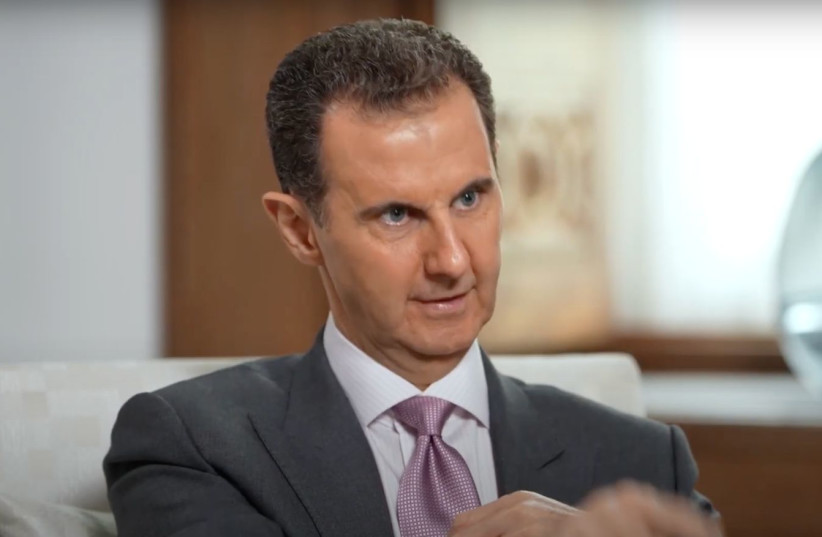
Documents recovered from prisons and security offices, he added, have provided further evidence that will be used to pursue justice through legal channels.
Compensation for victims
Abdul Latif said the commission is coordinating with a number of international and local bodies that have compiled detailed lists of victims and affected individuals. He emphasized that the commission aims to provide both financial and moral compensation.
“There is a clear process underway to recognize and support those who suffered under the regime,” he said.
The commission’s establishment has been informed by consultations with legal experts, civil society organizations, and academics, as well as a review of other nations’ experiences with transitional justice.
The body has finalized its internal regulations, selected a working team, and adopted a code of conduct for its members and staff. Abdul Latif said only a few logistical and administrative steps remain before the commission becomes fully operational across the country.
A message to Syrians
In a message to the public, Abdul Latif called for national unity and a collective demand for truth and accountability.
“We must stand together—across sects and ethnicities—to ensure that no criminal escapes justice and that victims receive the recognition they deserve,” he said. “Only through this can Syria move beyond the legacy of injustice and build a state based on equal citizenship and the rule of law.”