
In this week’s Torah portion, we read about Korah, who grew jealous of Moses and Aaron. He succeeded in dividing the people who were traveling in the desert and enlisting a large part of them to his cause. Korah and his followers met a bitter end. A massive chasm opened in the desert ground and swallowed the dissenters – they, their families, and all their belongings.
Nothing remained of them – except for what is mentioned in one surprising comment in parashat “Pinchas,” almost as a side note: “But the sons of Korah did not die” (Numbers 26:11).
The sons of Korah – among the leaders of the rebellion and drivers of its tone – were saved.
Why were the sons of Korah saved?
According to Rashi (Rabbi Shlomo Yitzhaki, foremost Torah commentator): “They were originally involved in the conspiracy, but at the time of the dispute they had thoughts of repentance in their hearts. Therefore, an elevated place was set aside for them in Gehenna, and they sat there.”
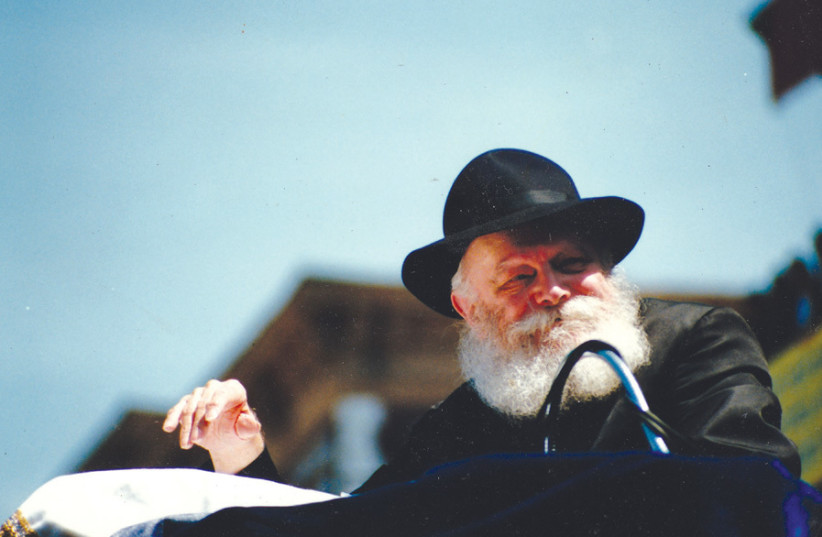
The Lubavitcher Rebbe (Likkutei Sichot, vol. 33) derives from this midrash the incredible power of a single thought of repentance.
The sons of Korah were not only sinners, but they led others astray. And yet, one sincere thought of repentance was enough to save them from destruction. Even as they were in the midst of doom, a redemptive thought emerged – a single moment of reflection and regret – and it redeemed them.
The sons of Korah – Assir, Elkanah, and Abiasaph – hovered in the air above the abyss. And in that moment of repentance, they were granted the spirit of prophecy and composed songs of praise. From their songs came the psalms of the sons of Korah, full of longing and yearning.
One well-known verse reads: “As a deer longs for streams of water, so my soul longs for You, O God” (Psalms 42:2).
These words open the series of psalms starting at Chapter 42, culminating in a verse that reflects the essence of the sons of Korah’s life journey.
Once wealthy and lacking nothing, they lost everything because they relied only on their riches and ignored life’s ultimate purpose. Jealousy led them to the brink of ruin. And so they conclude:
“Man in his glory, yet without understanding... is like the beasts that perish” (Psalms 49:21). Explanation: When a person lives in wealth and prestige but does not reflect on life’s purpose – relying solely on his riches and enjoying only the moment – he is likened to the animals, and resembles them.
THESE WORDS are being written as the people of Israel sit anxiously, sheltered in bunkers and protected spaces, fearing for their lives and praying for the safety of the soldiers on the front – in the air, on land, and at sea.
The Jewish people is more united than ever and is engaged in self-reflection. What is repentance? It is a small, good thought filled with love – the kind of thought that saved the sons of Korah from a tragic fate; a moment of introspection that can save any Jew from harm.
The strength of the Jewish people, especially in times of distress, lies in faith and unity.
Let us listen to the powerful words from the sons of Korah’s sacred song:
“For the conductor, of the sons of Korah.... God is for us a refuge and strength, a very present help in trouble. Therefore, we will not fear when the earth changes, and the mountains collapse into the heart of the sea” (Psalms 46:2-3).
Meaning: When God is our refuge, we need not fear the changes of the world or the collapse of the familiar and routine.
Rashi explains that this very psalm was said by the sons of Korah themselves, and he writes:
“The sons of Korah saw the miracle done for them – all around them was swallowed, and they stood suspended in the air – and they said to Israel with divine inspiration that such a miracle would be done for them in the future....” (Rashi on Psalms 46:3).
And so the sons of Korah conclude Psalm 46:
“Come and see the works of the Lord.... He causes wars to cease to the end of the earth; He breaks the bow and cuts the spear; He burns chariots with fire.
“Be still and know that I am God; I will be exalted among the nations, I will be exalted upon the earth” (Psalms 46:9-11). ■
The writer is rabbi of the Western Wall and holy sites.