
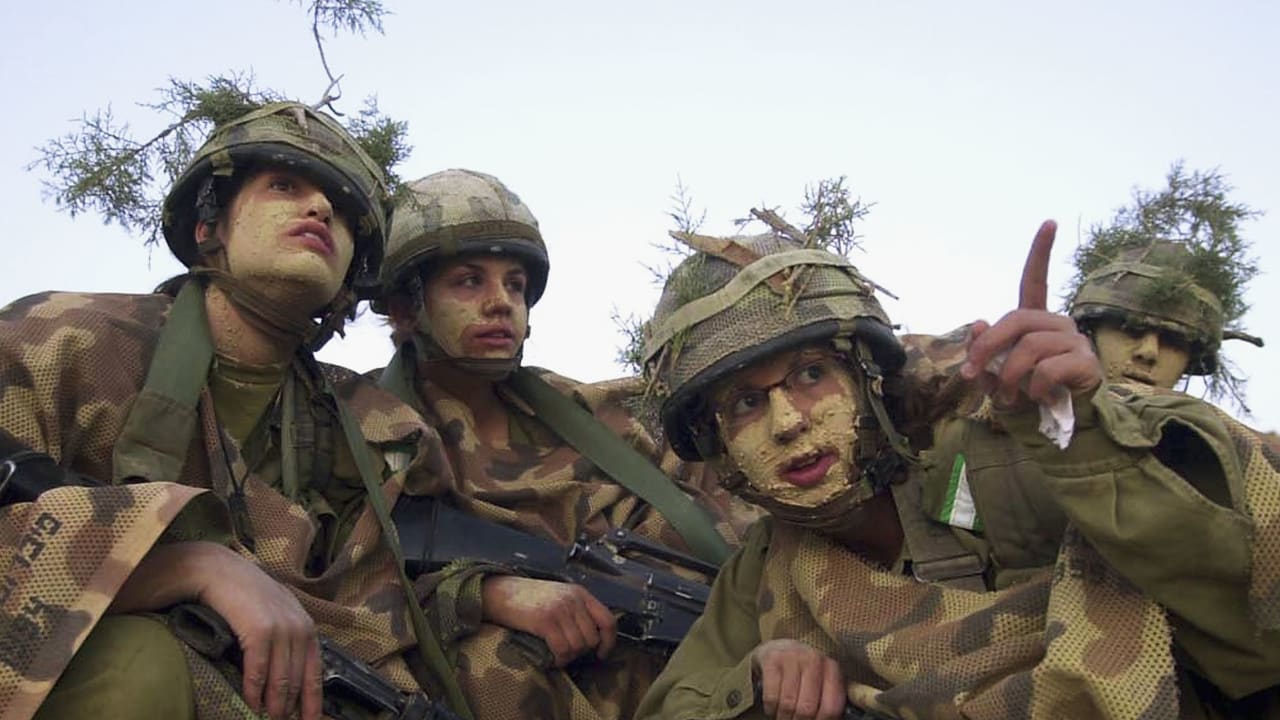
October 7, 2023, was not only a national trauma for Israel, it was also a turning point in how Israelis view women in combat. On that day, female lookouts on the Gaza border identified the Hamas infiltration and warned their superiors. Many of those women were killed or captured at their posts.
Female soldiers in border battalions fought under fire, delaying infiltrations and saving lives. Medics, officers, and members of civil defense units risked and sometimes lost their lives defending comrades and civilians.
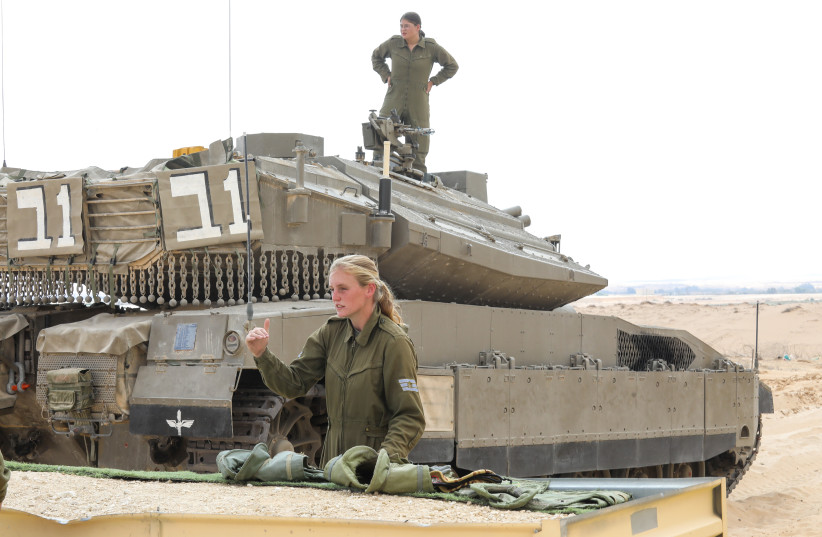
One story became iconic: A tank crew made up entirely of women – a commander, gunner, driver, and loader – was among the first to engage Hamas forces. They destroyed vehicles carrying terrorists and fought for more than 17 hours inside their tank. Commanders later said that without them, the number of civilian casualties would have been much higher.
Women on the front
During the ensuing war, women continued to serve on the frontlines in Gaza and Lebanon, performing under fire alongside their male comrades. One example was a female paramedic who, despite being wounded by shrapnel, continued to treat wounded soldiers while under fire. Such professionalism and courage were not exceptions but rather became routine.
These examples, and many others, dispelled any lingering doubt about women’s ability to fight. The debate over whether women can serve in combat is no longer theoretical; it was settled on the battlefield.

Yet, even after October 7, women remain barred from Israel’s elite assault and commando units. This exclusion persists despite decades of formal legal equality and the clear operational need for the best candidates – male or female.
The time has come for the IDF to open all combat positions to women, based not on ideology but on evidence, fairness, and the lessons of experience.
Legal background
Israel has drafted women since its founding, but for decades most served in “traditional” support roles. The 1995 ruling regarding Alice Miller [an Israeli pilot who sued for the right for women to enter the Israeli Air Force’s pilot course] forced the IDF to open its pilot course to women and recognized equal opportunity as a human right. In 2000, the Defense Service Law was amended to guarantee women the right to fill any position “unless required otherwise by the nature of the position.”
Today, about 86% of IDF roles are open to women, but the “spearhead” units – special forces, elite infantry, and commando brigades – remain closed. Still, female participation has grown dramatically: Women made up only 3% of the fighting force in 2012; today, they comprise about 20%.
The number of women reservists has also surged, more than doubling from 8% in Operation Protective Edge (2014) to 18% in the current war. In addition, increasingly, religious young women are choosing IDF service over civilian alternatives.
Lessons from other armies
In countries such as the United States, Canada, Sweden, and Australia, all combat positions have been opened to women. The US decision in 2015 followed years of data and operational experience in Iraq and Afghanistan, which showed no reason to bar any role.
Since then, women have joined infantry, armor, and special operations units. US congressional reports found that their inclusion expanded the talent pool and improved unit performance.
NATO studies reached similar conclusions. Physical and psychological concerns were addressed through data-driven reforms, such as uniform standards for men and women; gender-neutral testing based on real job skills; and pre-service conditioning programs that reduced injury rates. Success, these reports stressed, depends on leadership and culture, not gender.
Recent conservative calls to scale back women’s combat participation, such as those by US Secretary of War Pete Hegseth, have drawn internal criticism and little traction, reflecting how entrenched gender integration has become in Western militaries.
Outdated arguments
Opponents of women’s participating in combat usually raise three claims: protecting women from harm; preserving unit cohesion; and suggesting a lack of female interest. None withstands scrutiny.
The “protection” argument is paternalistic and outdated. Women already serve in high-risk roles – as border guards, police, or medics – and many have been killed or captured. Risk is inherent in service; it cannot be reserved for men.
Concerns about physical strain are overstated. When fitness levels are equal, men and women sustain injuries at similar rates. Most differences stem from ill-fitting equipment or inadequate training - problems that are easily solved.
Claims that mixed units undermine cohesion have been disproved. Research in the US and NATO found that performance depends on professionalism and leadership, not gender composition. Mixed units often report equal or better cooperation and morale. Commanders who enforce respect see no decline in effectiveness.
And the idea that few women are interested or capable is simply wrong. In Israel, where military service is compulsory and defense of the homeland is personal, motivation among women is high.
Since the recent war began, demand for combat service among female recruits has surged. There are now more women candidates wanting to serve in combat units than there are available openings. As October 7 demonstrated, when duty calls, women answer.
Impact of exclusion
Keeping women out of top combat roles has consequences far beyond the battlefield. In the IDF, most senior command and strategic positions are filled by officers who began their careers in combat units.
Denying women access to these entry points ensures that few will reach the highest ranks. To date, only three women have attained the rank of major-general, all in non-operational fields such as law or human resources.
This military glass ceiling extends into civilian life. Combat service remains a gateway to leadership in Israel’s public, business, and political spheres. Excluding women from these military units excludes them from the networks that shape the country’s elite and narrows the perspectives informing national security policy.
The message to young women is equally harmful. When an institution as central as the IDF signals that certain roles are “not for them,” it reinforces stereotypes of limitation. However, seeing women excel in demanding roles broadens what both sexes believe possible – in the military and in society.
Lessons for the IDF
The experience of October 7, together with global data, leaves little room for hesitation. The IDF should adopt a single, gender-neutral placement model: one standard for each position, open to anyone who meets it.
Physical requirements must reflect real operational needs, not outdated assumptions. Standards should never be lowered – but neither should they be designed to exclude.
Women who meet the criteria must be allowed to try out for every unit, including elite commando brigades. Success or failure should be judged individually, as it is for men. Equipment and training must be adapted to reduce preventable injuries, and commanders must ensure a supportive, harassment-free environment.
Change will take time. At first, only a few women will qualify for the toughest roles, as happened in every other profession – from pilots to physicians to senior officers. The path forward is not to wait but to begin.
October 7 shattered many illusions in Israeli society – about security, readiness, and resilience. It also shattered the myth that women cannot fight. Female soldiers proved not only their courage but their indispensability to Israel’s defense. The IDF can no longer justify excluding half the population from its most prestigious and vital missions.
Opening all combat positions to women is not an ideological gesture. It is a recognition of reality: The IDF needs every capable person it can get. Integrating women fully will strengthen both the army and the society it protects.■
Col. (res.) Adv. Pnina Sharvit Baruch is a senior research fellow at the Institute for National Security Studies (INSS) and chair of Forum Dvorah – Women in Foreign Policy and National Security.