The Rishon Lezion Magistrate’s Court on Monday extended the restrictions imposed on Histadrut chairman Arnon Bar-David for an additional 90 days. This bars him from serving as head of Israel’s largest labor federation, keeps him away from Histadrut institutions, and prohibits contact with dozens of individuals tied to an ongoing corruption investigation.
In a decision that underscores police claims of an expanding, witness-sensitive probe, Judge Dorit Saban-Noy granted the state’s request in full. She ruled that investigators had shown a sufficiently strong evidentiary basis and an ongoing risk of obstruction if Bar-David were to return to his post while the investigation remains in a relatively early stage.
The ruling keeps Bar-David – a central figure in labor relations with broad leverage over the economy – sidelined from Histadrut decision-making through late March 2026, as the Lahav 433 National Crime Unit’s National Fraud Squad continues investigating suspected bribery, fraud and breach of trust, and money laundering allegations tied to appointments and benefits allegedly routed through Histadrut structures.
Under this ruling, Bar-David is prohibited from serving as Histadrut chairman, must remain at least 500 meters away from Histadrut bodies, and is barred from direct or indirect contact with the individuals listed by investigators as involved in the case.
Individuals suspected of corruption arrested for bribery, fraud
Lahav 433 opened a public-phase investigation on November 3 dubbed yad lohetzet yad (“hand shaking hand” in Hebrew), during which Bar-David and other suspects were arrested on suspicion of bribery, fraud and breach of trust, and money laundering.

Bar-David was released on November 13 under agreed restrictions that included house arrest, a 500-meter separation from Histadrut institutions, a ban on contacting involved parties, and a restriction on engaging in Histadrut-related matters, alongside a 180-day travel ban and a NIS 100,000 cash deposit to secure compliance.
Allegedly, the investigation centers on suspicions that insurance agent Ezra Gabay offered benefits in exchange for the transfer of insurance portfolios connected to tens of thousands of Histadrut members.
Saban-Noy wrote that the state’s basis for extending the conditions remained the fear of obstruction – including the potential for influence over witnesses who may be subordinate to Bar-David or otherwise dependent on Histadrut decisions.
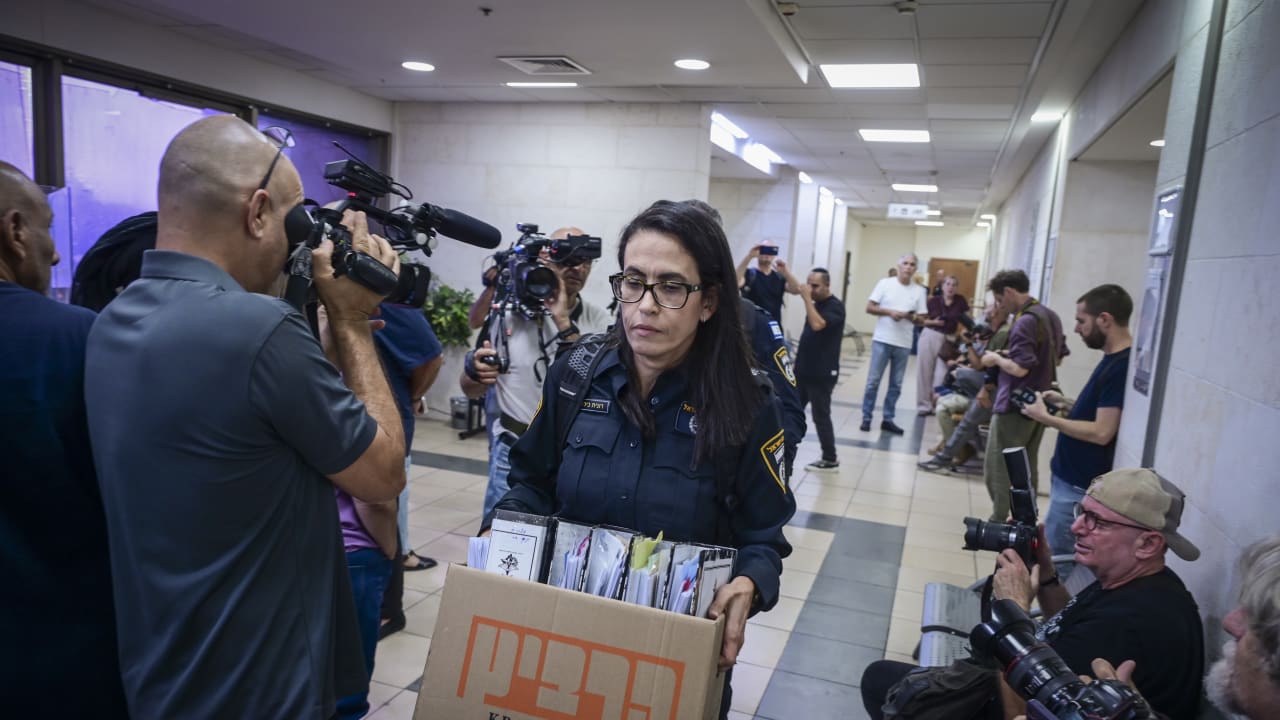
After reviewing an updated confidential report and multiple binders of investigative material, the judge concluded the state had met the threshold to extend the restrictions in full.
The decision also notes the scope of the investigation described by police: since the case broke on November 3, investigators said they had questioned scores of suspects and hundreds of witnesses – a scale cited to support the argument that the probe remains dynamic and susceptible to interference.
Bar-David’s counsel, attorney Micha Fettman, opposed a blanket extension and proposed what the decision describes as a “compensatory arrangement” that would allow Bar-David to return after a short period with limited areas of activity, as well as the condition that some meetings be documented or have a third-party presence.
But the judge ruled that the suggested mechanism could not sufficiently neutralize the risks identified by investigators. She emphasized that the alleged conduct, by its nature, may occur “behind closed doors,” making enforcement difficult, and noted the state’s argument that proposed oversight figures were not independent from Bar-David and at least one had been questioned in the investigation.
The court acknowledged the severity of restricting an elected labor leader – noting arguments that Bar-David was chosen by a large majority and that prolonged absence may affect the federation’s functioning – but held that the evidentiary strength, breadth of allegations, and stage of the investigation tipped the balance toward continued removal from the “platform” allegedly used to facilitate wrongdoing.
The judge stressed that the legal test is not public “optics,” but statutory grounds: whether continued occupation could ease the commission of similar offenses or create risk to the public, alongside the ongoing concern for obstruction.