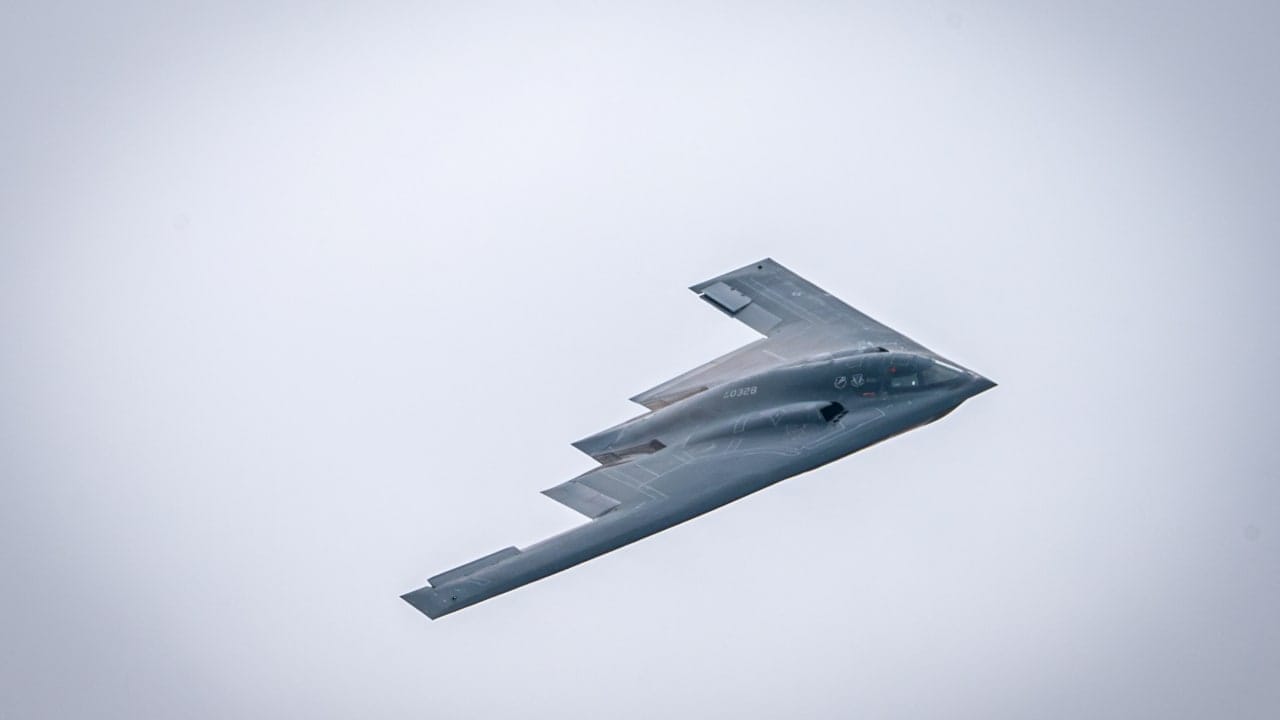
The overnight United States strike on Iran’s buried nuclear complexes rewrites the strategic rule book for the entire Middle East.
For years Washington presented itself as the adult in the room, urging Israel to show restraint while it tried to cage Iran’s nuclear ambitions through diplomacy and sanctions. That caution evaporated just after midnight, when American B-2s, working closely with Israeli planners, pounded the mountain-hardened facilities at Fordow, Natanz and Isfahan. The takeaway is stark: the period of “maximum pressure” is over and a period of direct kinetic prevention has begun.
A doctrinal pivot in real time
Until yesterday the White House maintained a clear red line: no direct US involvement on Iranian soil. That line survived tanker wars, drone shoot-downs and proxy salvos. It did not survive Iran’s sprint toward weapons-grade uranium. By authorizing strikes on the program’s hardest targets, President Donald Trump signaled a shift from deterring Iran to actively degrading its breakout capability. Tehran sees the move as an existential escalation, while Jerusalem views it as a long-sought yet politically risky victory.
Did the bombs do the job?
Officials are still studying the craters. Israeli sources tell me the warheads, Massive Ordnance Penetrators, were chosen to collapse the centrifuge halls rather than merely damage surface structures. Success will be measured in months: How long before inspectors, if any are admitted, find bent rotors instead of spinning cascades? How quickly can Iran replace its enriched stockpile? A delay of years would buy the region breathing space; a delay of months would change little besides the casualty list.
The proxy fuse is lit
Iran’s playbook for retaliation is broad and well rehearsed. Hezbollah is already on high alert along Israel’s northern border, and Lebanon is desperate to avoid a slide into war. In Iraq, pro-Iranian militias threaten rocket barrages on US bases. In Yemen, the Houthis warn they will target American shipping in the Red Sea, a threat that now sounds more credible given Washington’s direct role.
None of these fronts must ignite, but any one of them can. That volatility explains why previous administrations kept their fingerprints off Israeli strikes. Trump gambled that a decisive blow now would be cheaper than confronting a nuclear-armed Iran later. Deterrence theory applauds; escalation theory winces.
Supreme Leader Ayatollah Ali Khamenei must strike back hard enough to restore deterrence but not so hard that the United States doubles its commitment. Direct missile fire on Israel risks US retaliation; killing Americans in Iraq risks the same. The regime may therefore opt for deniable gray-zone moves such as cyber attacks on Gulf energy grids, naval mining in the Strait of Hormuz or more drones against Saudi infrastructure.
Could pressure crack the regime?
Analysts often imagine bunker-busting raids sparking street revolutions. Reality is less convenient. Iran’s middle class has protested before, most recently in the 2022 “Women, Life, Freedom” rallies, only to be suppressed. Economic despair and national humiliation weaken the Islamic Republic but rarely topple it without an organized alternative. As of dawn no mass demonstrations were reported in Tehran, though that could change if blackouts, fuel shortages or radiation rumors spread.
Jerusalem welcomes the partnership operationally because US firepower shortens the conflict and shares the burden. Politically, the move internationalizes what was a bilateral shadow war. Israeli leaders must now factor American public opinion, congressional oversight and election-year dynamics into every target list.
What next?
Diplomats will hurry to reopen a negotiating track; markets will price in oil shocks; air-defense crews from Tel Aviv to Riyadh will spend the week in helmets. Whether last night becomes a short correction or the opening of a long confrontation depends on three capitals:
Tehran: How much pain can the Revolutionary Guards absorb before risking open war?
Washington: Does Trump treat the strike as a one-off lesson or the start of a sustained rollback?
Jerusalem: Can Israel resist the temptation to press its advantage too aggressively?
For now the taboo against striking Iran’s nuclear heartland is gone, along with the illusion that time favored diplomacy. What comes next will be written in the smoke over Fordow and in the uneasy silence that follows a collapsed doctrine.