
ANU – Museum of the Jewish People in Tel Aviv will mark the third anniversary of the October 7 massacre with an evening exploring the role of art in expressing grief, preserving memory, and finding hope, on the evening of October 5.
The event, called “We Shall Yet See Better Days: Art and Hope Rising From the Fracture,” will introduce three new works to the museum’s October Seventh exhibition, which opened shortly after the attacks.
Curated by Michal Houminer and Carmit Blumensohn, the exhibition brings together works by 25 artists, documentary photography, and Israeli songs associated with the period.
The new works, created by graduates of the University of Haifa’s School of Design, examine how the events have shaped Israeli society and its visual language.
Tamara Kloss’s Compassion Fatigue explores the proliferation of memorial stickers in public spaces, asking how repeated exposure affects our response to individual stories of loss.
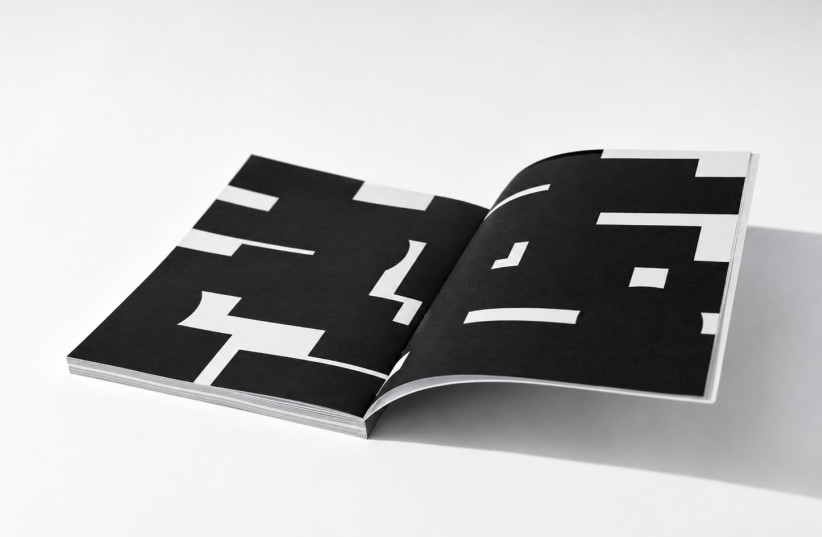
Yael Lerner’s I Saw a Dove uses the familiar symbol of peace to examine the fragility of hope in Israel, while Yehuda Feldmer’s Shalom traces the word’s visual and cultural meanings from the Bible to the present. All three artists will discuss their work during the evening.
Art as a path to healing
Artist and designer Gabi Zaltzman will give a lecture titled “You Can’t Cancel Spring: Optimistic Creativity in Difficult Times,” drawing on his work and personal experiences to explore how art, humor, and creativity can sustain people through uncertainty.
“Art is a powerful force that allows us to reflect, ease suffering, perhaps heal, and begin to create hope,” said museum CEO Oded Revivi.
The museum will also offer guided tours on October 5 and 7.
ANU is located on the Tel Aviv University campus.
For details, visit anumuseum.org.il