In the Talpiot industrial area of Jerusalem earlier this month, the faint rumble of a reggaeesque band drifted through the air, emanating from a cordoned-off street, where hundreds of music fans had gathered.
The first night of the 16th edition of the Israel Music Showcase Festival was underway. Along with hundreds of Israelis, scattered throughout the crowd was a delegation of music industry professionals from around the world: festival managers, producers, artistic directors, record companies, club owners, and others who were experiencing a slew of young and veteran local bands that hoped to be the next big name in global music.
The festival takes place every November as a result of a joint initiative between Jerusalem music venue Yellow Submarine, the division for Cultural Diplomacy at the Foreign Ministry, and support from other official bodies. But during a time of freshly inflicted wounds and scarcely healed scars, many felt this festival marked the start of a chapter of renewal and restoration.
Hadas Vananu, the festival’s artistic and festival director, told the visiting delegates that this year’s event, which took place at a number of venues around the country, “opened something up,” and that this time it “feels like the start of something new.”
Revital Malka, the head of the music division in the Foreign Ministry’s Culture Diplomacy department, thanked the delegates for “giving open ears and hearts” to Israel, emphasizing their understanding as something the country needs but rarely receives.

“Music brings hearts together,” she said. “It connects people and nations. Maybe it is even the true diplomacy.”
Yelling through a set by the old-school metal band Orphaned Land, an audience member said during opening night, “This, this is Israel. We’re alive, human, and there’s nothing that will ever stop us from creating, dancing, and truly living.”
Among the high-profile performers at the festival were DJ Darwish with Marina Maximilian, Ehud Banai and the Dub Refugees, singer Valerie Hamaty, trumpeter Avishai Cohen, Tamir Muskat and Tom Meira Armony, Yemen Blues, and others.
Attendees included Grammy-winning Boo (Lawrence) Mitchell, LA producer and composer John Acosta, and bookers for many European music festivals.
The World knows there's more to Israel
During the Israel-Hamas War, the festival wasn’t structured the same way as in previous years. When the war broke out, instead of inviting a foreign audience, the festival became a space solely for Israelis, where they could heal and acknowledge the hardship many had experienced.
Last year, the Yellow Submarine partnered with the Red Sea Jazz festival and invited 25 delegates. David Haim Saidov III, chief producer of the Israel Music Showcase Festival, told The Jerusalem Post that it had been hard to get people to come to Israel. However, this year, he said, “they had to stop people from coming.”
In fact, with over 70 delegates and every continent represented, organizers had to turn many enthusiastic delegates away due to a lack of space.
When asked about whether the influx of interest surprised him, Saidov said, “No, people want to come, people know that in Israel there’s a lot of good music, good people, good energy, and people know the reality.”
From the UK to Shanghai, this sentiment proved true among the delegates.
Jake Beaumont-Nesbitt, a music manager from the UK, said the point of coming to Israel was to “listen and learn.” He added that he “wasn’t here to give anything,” only to “listen to people,” and ask, “how are the youths, how are the creatives, working across barriers to come together?”
A delegate from Shanghai, Xie Jiawen, founder of Beethoven for Youth Music Festival, said Israel and the festival “offered a great international platform to gather people together and to put all different kinds of culture and languages together.”
John Acosta, LA producer and composer, said that his goal was to “try to build bridges between US artists and Israeli artists for collaboration,” adding that the Israeli story of resilience and tenacity is reflected in the music, emanating something that “the world can respond to.”
These conversations revealed global opinions often overshadowed by bellicose criticisms. People around the world know that Israel has a lot to offer and are excited to explore it.
In addition to exhibiting a creative and fun side of Israel, the festival also provided a valuable chance for Israeli performers to gain insight into how to cut through the noise and make a name for themselves internationally.
“For the Jewish people in general, resilience is something intergenerational,” said Isaac Oron, founder of New Zealand’s Earth Beat Festival. “Regardless of the outcomes for musicians in the world at the moment, which, honestly, are not great, my suggestion is to keep doing beautiful things because that’s what you love doing.”
“It’s not going to be easy,” he continued, “and it’s not going to be easy in the next year or two, but you keep doing stuff and believing in the path of what you do.”
Anup Kutty, a festival organizer and musician from India, echoed his sentiment, saying that Israeli artists need to “just get out there and play,” adding that although it’s not going to be easy, artists have chosen this life and they have to put the work in to fulfill it.
“This is a point in time where it’s really easy to make music, but it’s really difficult to be heard,” he added, “but at the end of the day, if you make great music, if you connect with people, if you put in the work, you will succeed.”
Ultimately, the only thing Israeli musicians can control is their music, so they simply need to keep creating, the delegates concurred.
Jonathan Schwartz, an Israel-based artist manager at Regime Music Group, provided a different perspective, saying that although it’s important to keep making music, there are other barriers to making international waves that many people aren’t aware of.
“Just to go on tour, the commute is going to cost you NIS 30,000 just to leave the country. Even if there weren’t an antisemitism problem, [the practical things] are a problem for Israeli artists to go internationally,” he said. To combat this problem, he suggested taking advantage of the media available today, urging artists to try to make a name for themselves here through apps like Spotify, Instagram, and YouTube, before trying to expand internationally.
Where Israeli artists stand today
For the artists, the festival presented a unique opportunity to gain exposure, display their music cross-culturally, and try to make waves despite anti-Israel hate.
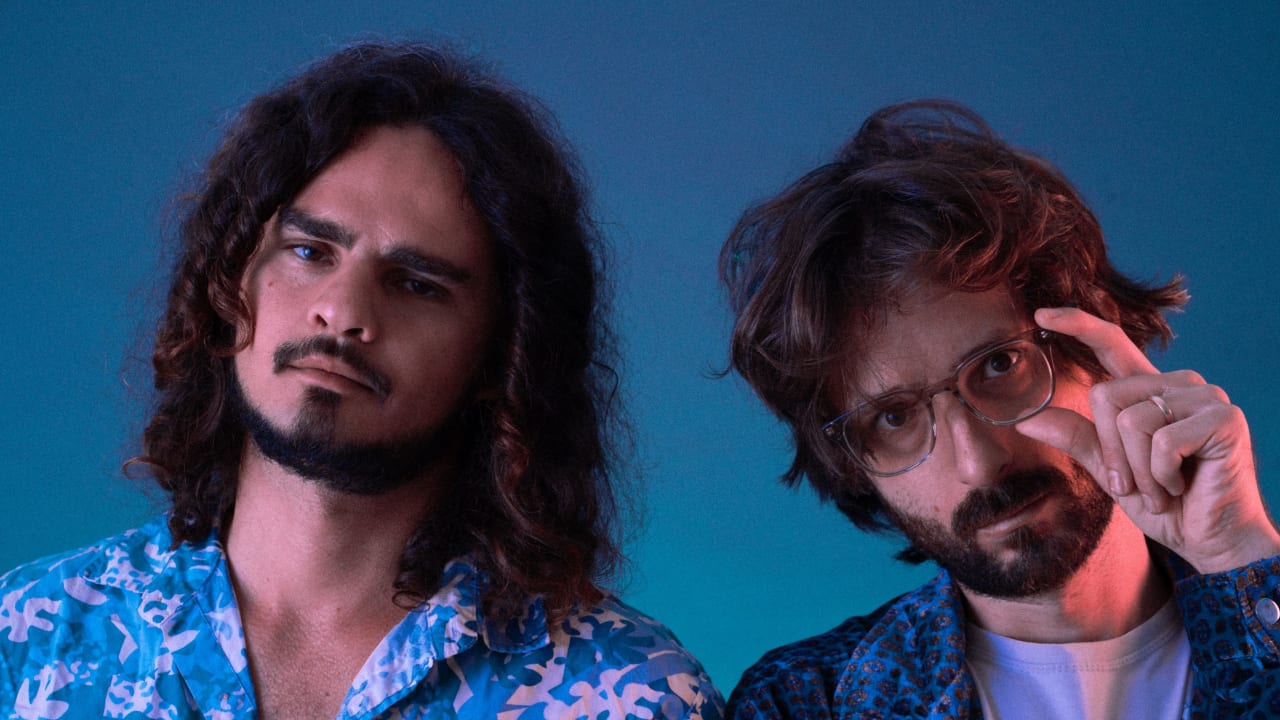
“Being stuck in a place where you can’t tour much… you have to focus on the more practical things to help you venture out,” said Yoni Avitan, lead singer and guitarist of The Dodies, a garage-band rock duo from Beersheba.
He said that he feels the desire to globalize is an expected response to such intense criticism of Israel: “In some ways, it seems, ambition comes with alienation.”
The inclination to expand their audience was shared by many performers. Members of the Daffe Project, a 10-piece project of tribal and folk music, said that one of their goals is to perform internationally. However, they lamented that as a band with so many members, it would be hard to organize to make it work.
They also mentioned that their music, made up of tribal, ethnic, and folk rhythms, is a sound very emblematic of the region, one that may not be received well beyond this area.
Yali Sharon of the audacious rock band, Dazy’s Fasulia, said that although they didn’t have time to speak to all the delegates, he got to talk to a few and that “they were really nice.”
The band, he said, “stayed 100% authentic” and didn’t adjust its show for the delegates. “We always do the craziest shows and try to be the most f***ed up, in a good way.”
As the festival came to a close, one message echoed across every stage and conversation: music transcends borders. Artists played, and the world was eager to listen, which, for many, softened the fractures of a complicated and isolating reality.