
Former attorney-general Avichai Mandelblit testified on Monday that, to the best of his recollection, he had not authorized a broader investigation into Prime Minister Benjamin Netanyahu’s relationship with Israel Hayom, as the defense challenged whether police questioning about the newspaper exceeded the scope of Case 2000.
The exchanges at the Jerusalem District Court focused on the distinction between investigating a suspected deal involving newspaper coverage and examining a politician’s wider dealings with journalists and publishers. Mandelblit said his approval centered on recorded conversations between Netanyahu and Yediot Aharonot publisher Arnon Mozes.
The judges also decided that prosecutors would be permitted to question Mandelblit in the more limited format of re-examination, rather than full cross-examination. Their questioning would focus on clarifying matters raised during the defense’s examination.
Mandelblit, who authorized the investigations and later approved the indictment, was called as a defense witness. Under Basic Law: The Government, opening a criminal investigation into a sitting prime minister requires the attorney-general’s consent. The defense has challenged both the documentation of those approvals and whether investigators stayed within their limits.
Case 2000 concerns discussions about more favorable coverage of Netanyahu in Yediot Aharonot in exchange for steps to curb its rival, Israel Hayom. Netanyahu faces a charge of fraud and breach of trust in that case and denies wrongdoing.
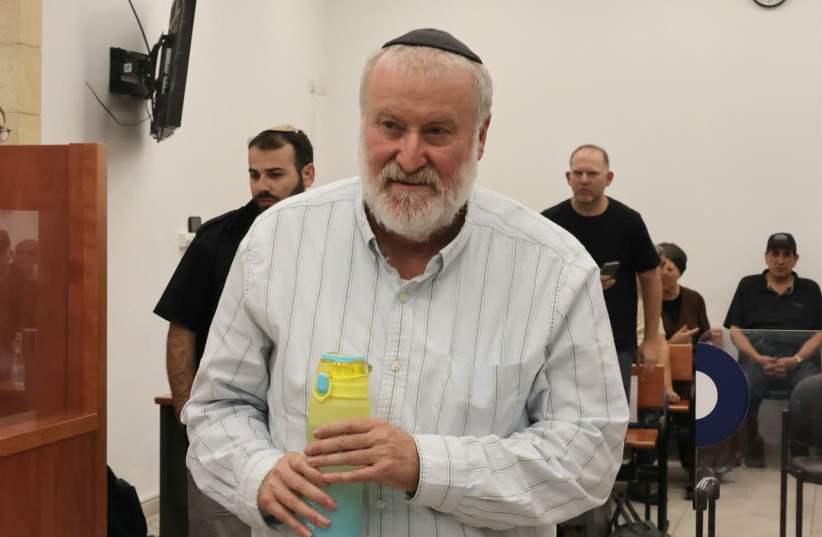
Netanyahu’s lawyer, Amit Hadad, asked whether Mandelblit had ever authorized an examination or investigation of Netanyahu’s relationship with Israel Hayom. Mandelblit said he did not believe he had, while emphasizing the difficulty of recalling discussions held years earlier.
Hadad then presented police questioning of former Israel Hayom editor-in-chief Amos Regev about Netanyahu’s involvement in matters concerning the newspaper. According to the account Hadad presented, Regev had described Netanyahu speaking harshly about a reporter and opposing his participation in a flight.
“To the best of my knowledge, I did not authorize investigating that line” of inquiry, Mandelblit said.
Hadad also challenged questions about editorial decisions and the involvement of the newspaper’s owners in its coverage. Mandelblit said he did not recall approving that questioning.
His answers concerned what he authorized and remembered; they did not constitute a court finding that the questioning was unlawful. In earlier testimony, he said he expected major investigative steps to be brought to him, but had neither intended nor been required to approve every police action.
Mandelblit denies authorizing investigation into Netanyahu's ties with Israel Hayom
The hearing also addressed Case 4000, in which Netanyahu is accused of advancing regulatory measures benefiting Bezeq, then controlled by Shaul Elovitch, in exchange for intervention in coverage on Walla, which Elovitch also controlled. Netanyahu denies the bribery, fraud, and breach-of-trust charges.
Hadad questioned Mandelblit about “unusual responsiveness,” the prosecution’s description of Walla’s alleged handling of coverage requests. Mandelblit described the suspected benefit as the ability to influence coverage, including removing reports that could harm Netanyahu or his family.
Judge Moshe Bar-Am questioned the comparison with coverage of other politicians. Mandelblit maintained that the suspected exchange for regulatory benefits was central to the allegation, distinguishing it from ordinary relations between politicians and journalists.
Hadad also challenged Mandelblit’s approval of the amended indictment, arguing that his signature had been copied from the original document. Mandelblit maintained that he had approved the revised indictment and recalled reading it, although he did not remember whether he had signed it physically. He distinguished reading the list of alleged coverage incidents from examining the underlying evidence.
Hadad said he expected to finish questioning Mandelblit on Tuesday. Mozes’s lawyer is also expected to question him.