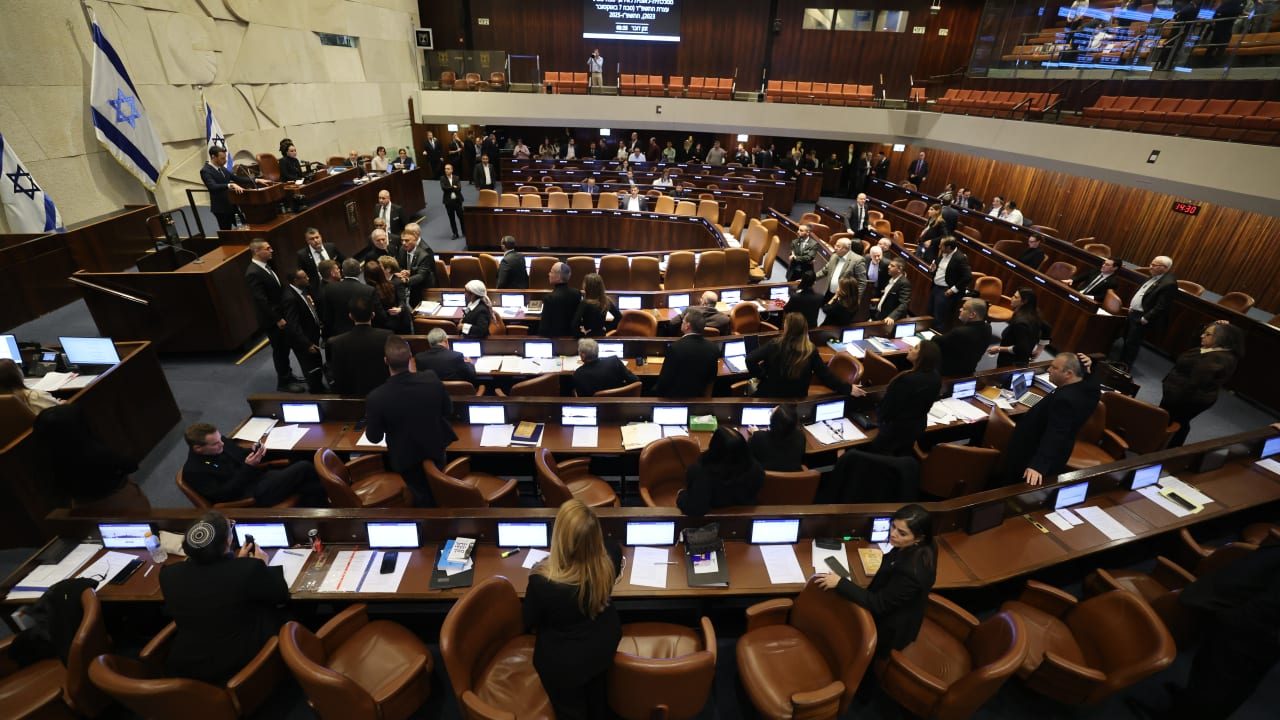
The Israel Democracy Institute (IDI)published its 2025 Israeli Democracy Index on Thursday, sharing a detailed image of how people in Israel view the strength of their democracy, trust in state institutions, and social cohesion.
The 23rd annual report reveals a complex picture: while many Israelis are more positive about the country’s overall situation, confidence in democratic institutions and social unity remains fragile.
The index, based on a large survey conducted in May and revisited in November 2025, was presented by IDI President Yohanan Plesner and Prof. Tamar Hermann, Director of the Viterbi Center for Public Opinion and Policy Research. It tracks trends in public opinion on key political and social issues and highlights persistent concerns about Israel’s democratic health.
Majority of respondents do not find state of Israeli democracy "good or "excellent"
According to the new data, only about a quarter of Jewish respondents described the state of Israeli democracy as “good” or “excellent,” continuing a downward trend in recent years. Ratings among Arab respondents were even lower, with just 12% giving positive marks. Trust in most state institutions remains below long-term averages, reflecting widespread skepticism about their performance and integrity.
One striking finding showed that nearly half of the respondents believe the most serious social division in Israel today is the divide between the political Right and Left. Other social tensions, including between Jewish and Arab citizens and between secular and religious communities, also ranked high on the public’s list of concerns.

Despite worries about institutional trust, many Israelis reported a more positive outlook on the country’s overall situation compared with previous years. A majority expressed a strong sense of belonging to Israeli society, and most said they would prefer to remain in Israel rather than emigrate, even if given the opportunity to move to another Western country under favorable conditions.
Security remains an area where the state receives relatively higher marks: more than half of Jewish respondents believe Israel ensures the security of its citizens, although perceptions of the government’s ability to provide welfare services lag considerably. Across communities, confidence that fellow citizens could be relied upon in times of need was much stronger than confidence in the state itself.
The report found a broad belief that upcoming Knesset elections will be fair and free, even as many Israelis feel that no political party closely represents their views. Views on including Arab parties in government were sharply divided along ethnic and political lines, illustrating ongoing fault lines in national politics.
A majority of Israelis, across different groups, said it is important for the country to have a formal constitution, suggesting that many see constitutional law as a potential anchor for democratic stability. The survey also found that a significant portion of the population feels reluctant to express political opinions openly in mixed company, signaling concerns about polarization and social pressures.