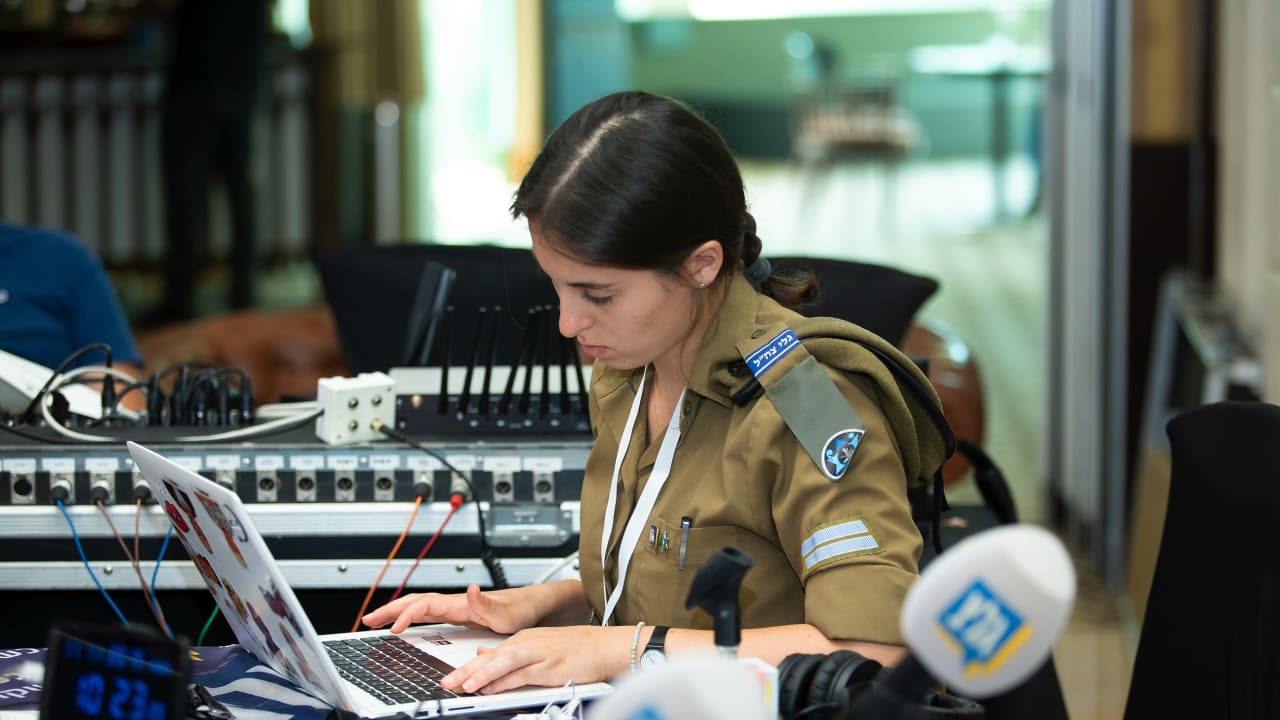
Dozens of Army Radio presenters and contributors, many of whom are employed as external consultants, on Wednesday said they have been told their work will be frozen as early as next week. The government has decided to shutter the IDF-run broadcaster.
In response, the Defense Ministry said no instruction had been issued to terminate consultant contracts at Army Radio.
“As in every year, at this time the Defense Ministry is extending consultant contracts that expire at the end of December,” the ministry said in a statement. The process was under way, and contracts would be extended until February 28, 2026, the date set for the station’s closure, it said.
The dispute unfolded as the High Court of Justice moved to examine the legality of the government’s decision.
Supreme Court President Isaac Amit on Wednesday ordered the state to submit a response by Sunday to a request for an interim injunction filed by Army Radio workers and public petitioners, citing claims of immediate and irreversible harm stemming from the closure decision.
Amit declined at this stage to issue a temporary restraining order without hearing the state’s position.

The petitioners said the government had acted without adequate professional groundwork, public consultation, or a clear legal basis. They warned that early implementation steps could prejudice the court’s ability to provide effective relief later.
Shortly after the cabinet approved the closure, Defense Minister Israel Katz instructed IDF Chief of Staff Lt.-Gen. Eyal Zamir to begin immediate implementation of the decision.
According to Katz’s directives, all selection processes for service at Army Radio are to be halted immediately; no new soldiers, regular or reserve, are to be assigned to the station; and the IDF is to prepare for the dispersal of current personnel, with priority given to reassigning soldiers to combat and combat-support roles.
Under the government resolution, Army Radio is expected to cease broadcasting entirely in March.
Critics decry Army Radio closure
Critics of the move – including station employees, veteran journalists, and civil-society organizations – say Army Radio occupies a journalistic and public status that cannot be treated as an ordinary government media outlet.
In legal opinions submitted to the court, Attorney-General Gali Baharav-Miara warned that the decision could undermine freedom of expression and public broadcasting.
Army Radio has historically functioned as a hybrid public-service broadcaster rather than a political or military mouthpiece, she said, adding that shuttering the station without primary legislation raises serious legal difficulties.
Opponents of the closure cite Army Radio’s 75-year role as a training ground for journalists, a platform for diverse viewpoints, and a broadcaster with a statutory public mission – particularly during wartime. Eliminating the station would narrow the media landscape and concentrate power in fewer hands at a moment of acute democratic strain, they say.
The court is likely to focus on procedural flaws, including whether the government exceeded its authority by ordering the closure without Knesset legislation and whether the decision was tainted by improper considerations.
Yonah Jeremy Bob contributed to this report.